The Fortified Villages of the Côa Valley
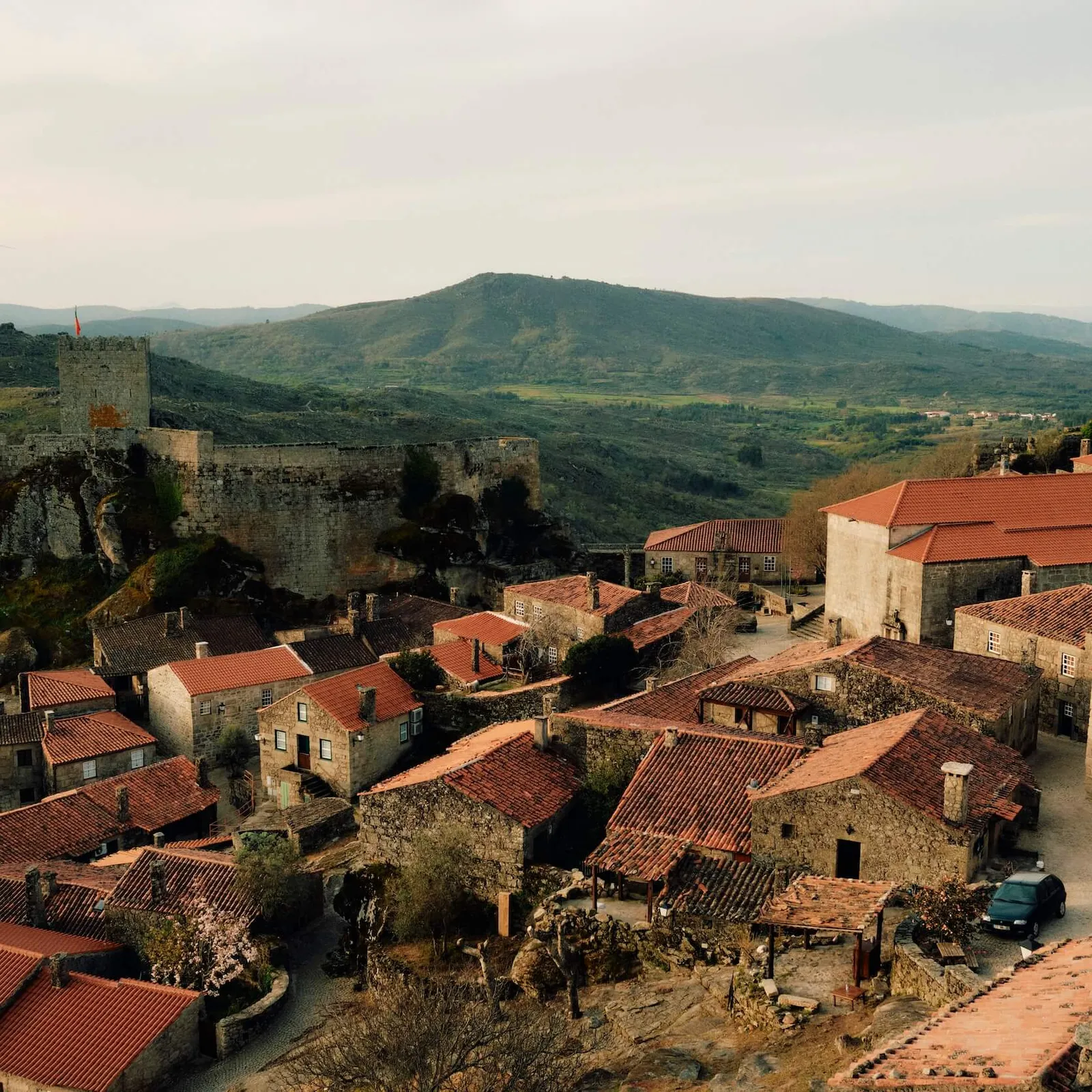
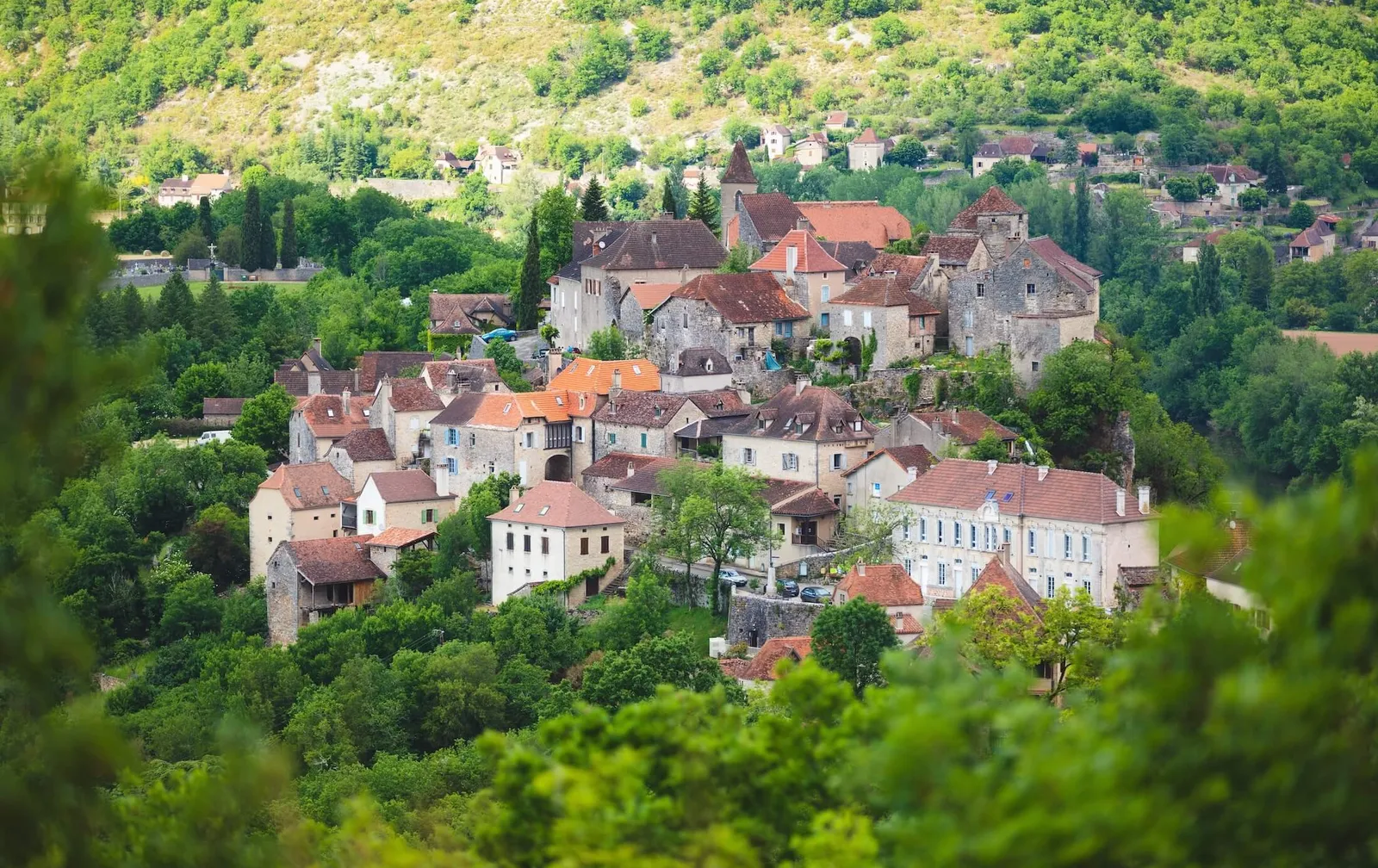
The Côa Valley is a region of Portugal with a long and complicated history. From it's landscapes, and the rock engravings of this small river valley in north-eastern Portugal, which are among the oldest and most extensive open-air prehistoric art sites in the world (The carvings of horses, aurochs and ibex in the schist cliffs have been here for over 25,000 years), to it's UNESCO World Heritage Site status and the fortified villages that dot the hills and ridges on either side of the river. Among them, 12 'Aldeias Historicas De Portugal', the historical villages of Portugal, which are visible living evidence of its turbulent past. This blog was written with the help and input of the Aldeias Historicas De Portugal tourism management body, and seeks to share the unique history that makes these villages so important today.
Historic Villages of the Côa Valley
The oldest parts of the Côa Valley are prehistoric; the high ground attracted settlements and the people who lived here built walled enclosures on rocky spurs, often of schist, and used them as strongholds. The Castelo Velho de Freixo de Numão was built during the Copper Age and Bronze Age, somewhere between 3000 and 2000 BC. It features defensive walls, circular structures and what archaeologists believe was a central tower or sanctuary. It predates the medieval castle tradition by several thousand years.
The Iron Age tribes who came later, including the Celtic-Iberian groups who occupied this part of Iberia before the Romans arrived, built their own hill forts on the same ridges. Some of their engravings have been found alongside the Palaeolithic rock art in the valley below, showing thousands of years of human activity layered on the same stone.
The Romans, who arrived in the 2nd century BC repurposed some of these forts to control the valley's trade routes. The Iberian Peninsula was far enough from Rome to require a dense network of local strongholds, and the Côa River was a useful corridor.
The Medieval Border
During the 12th century, Portugal's borders were contested and frequently under attack. The Côa Valley sat directly on the fault line between the emerging Portuguese kingdom and the kingdoms of Castile and León to the east. Every high point with a view across the valley was a strategic asset.
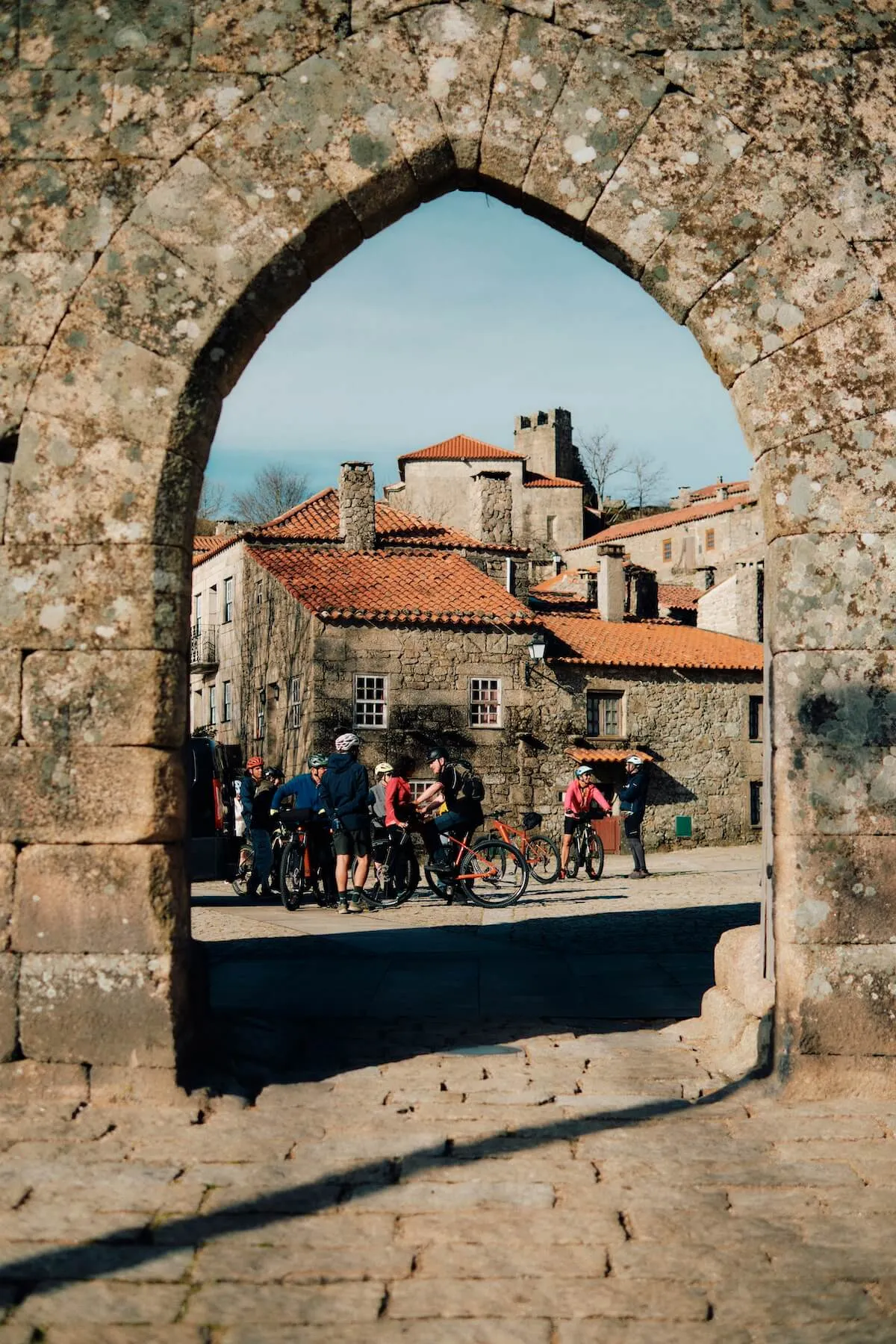
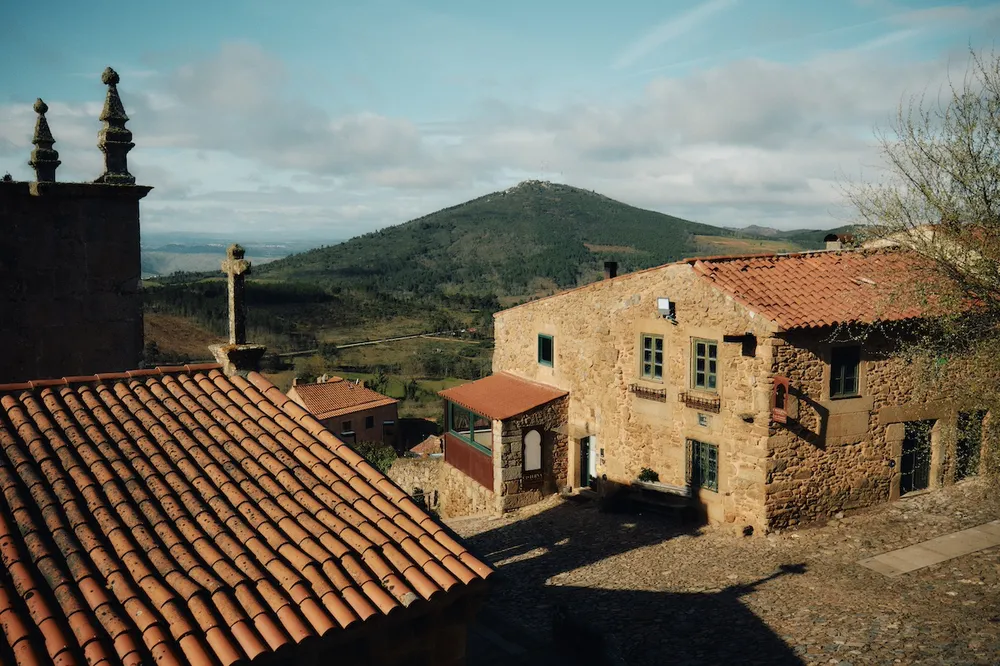
What followed was several centuries of systematic fortification: walls, towers, keeps and entire villages built to serve a military function. The Portuguese monarchs who commissioned this work understood that people would not voluntarily settle in exposed frontier posts, so they offered incentives. Special charters granted unusual freedoms and privileges to anyone willing to live in these borderland villages and keep them garrisoned. The villages that resulted from this unusual arrangement are what we now know as the Aldeias Históricas.
The Aldeias Históricas de Portugal
The Portuguese government launched the Historic Villages Programme to officially bring together twelve of the most significant surviving medieval settlements in the Beira Interior region under a single conservation and tourism network. The twelve villages are Almeida, Belmonte, Castelo Mendo, Castelo Novo, Castelo Rodrigo, Idanha-a-Velha, Linhares da Beira, Marialva, Monsanto, Piódão, Sortelha and Trancoso. All twelve are permanently inhabited; the aim of the programme was to restore and promote the ancient villages so important to the history of Portugal.
The villages are connected by the GR22, an 892-kilometre walking route that links all twelve settlements. The route covers approximately 600 km in Portugal,, and after an extension was built into Cáceres, now continues into Spain. The programme has, over three decades, restored stonework, improved access, and brought infrastructure to villages that were quietly falling apart.
The managing body, Aldeias Históricas de Portugal, an Associação de Desenvolvimento Turístico, now coordinates tourism development across the network: running walking routes, events and a range of visitor experiences designed to keep the villages economically viable and permanently lived in.
Sortelha
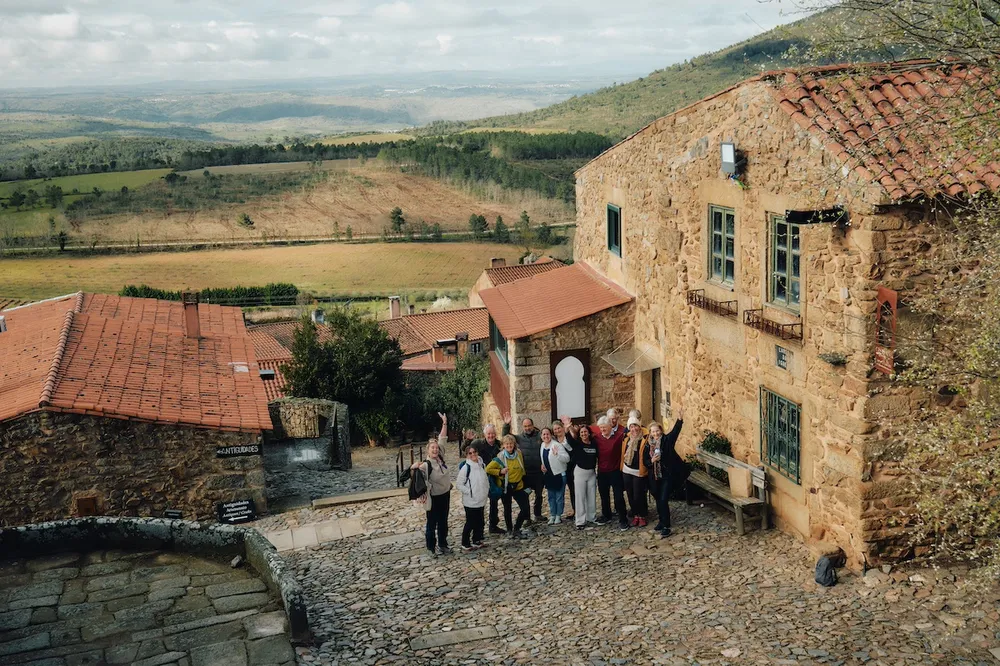
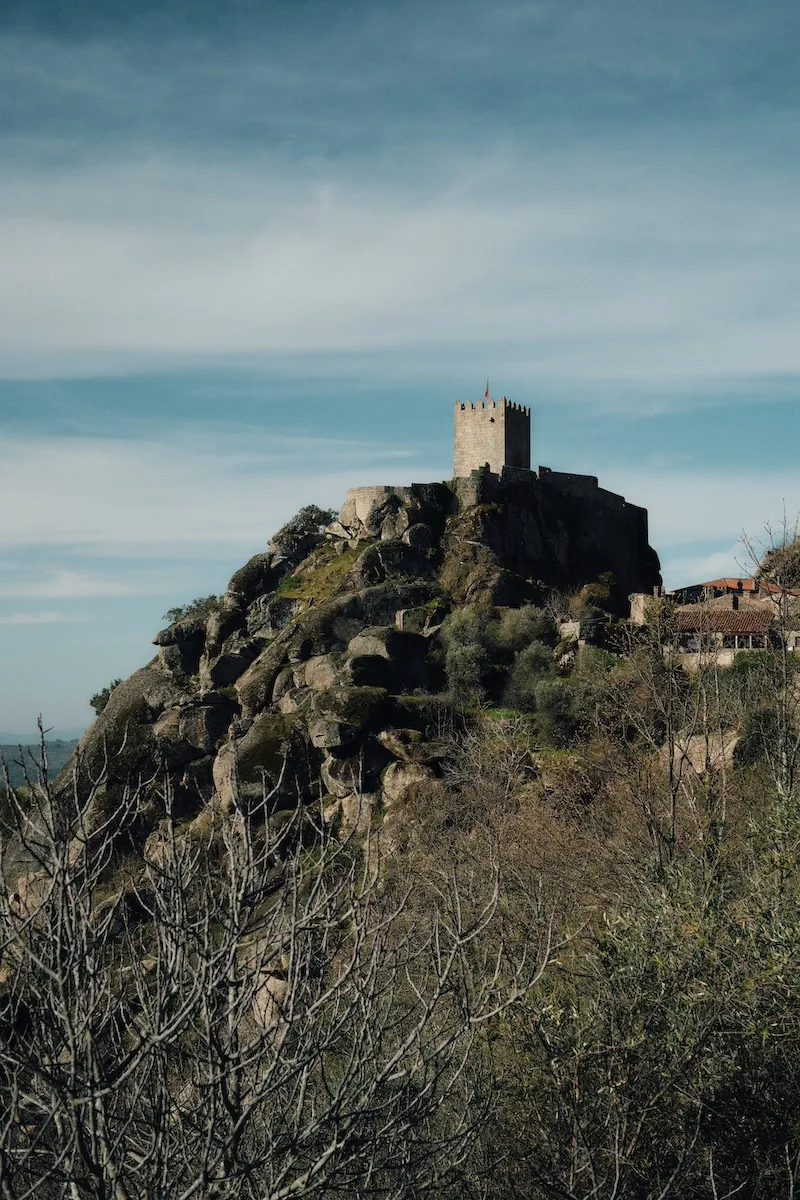
At 760 metres above sea level, Sortelha sits on a rocky escarpment that forms a ring surrounding the village; the 13th-century castle looks out across a landscape of granite boulders, and cork oak forests. The inner village, enclosed by its medieval walls, feels entirely removed from the present day.
Almeida
Almeida is the most architecturally dramatic village in the network. Seen from above, the walls of Almeida form a twelve-pointed star. This is a Vauban-style star fortress; rather than building high walls that would absorb cannon fire, engineers designed low, angled bastions that would deflect it. You can still see the deep moat, walk the ramparts and see the well-preserved town inside.
Castelo Rodrigo
Castelo Rodrigo is perched high on a hilltop with views across Portugal and, on a clear day, into Spain. It is a perfectly restored village of stone streets and granite houses, with the castle ruins at its highest point. During the Portuguese dynastic crisis of 1383 to 1385, Castelo Rodrigo swore allegiance to the Castilian party and to the heiress Beatriz, refusing entry to the Mestre de Avis. When the Mestre of Avis became King Dom João I, he ordered, as a penalty, that Castelo Rodrigo bear its coat of arms upside down, the symbol of a dishonoured house. The castle was burnt down shortly after.
The village rebuilt itself, and it has been attracting visitors ever since. It also sits at the edge of the Faia Brava Reserve, which makes it a great base for exploring the rewilding work happening in the valley.
Castelo Mendo
Two large stone statues from the Iron Age guard the entrance to the castle. These figures, known locally as the berrões, are among the best-preserved examples of pre-Roman Iberian sculpture in the region. The village itself is tiny, extremely well preserved and almost entirely free of visitors. If you want to understand what these places felt like in the past, Castelo Mendo is a good indication.
Belmonte
Belmonte was the birthplace of the navigator Pedro Álvares Cabral, who discovered Brazil in 1500, and welcomed Jews expelled from Castile in the 15th and 16th centuries. There is still an active Jewish community in Belmonte, one of the most significant Crypto-Jewish communities in Europe, whose ancestors practised their religion in secret for five centuries while publicly converting to Christianity during the Inquisition. The combination of a medieval castle, a Roman tower and this specific and moving Jewish heritage makes Belmonte one of the more layered villages in the network.
Other Villages of Portugal's Côa Valley
These are just a handful of the beautiful villages in the Côa Valley, there are several more, and all worth exploring. Follow the links below to discover the stories of each unique historic village:
Coming to the Côa Valley
The Côa Valley Archaeological Park, covering the most significant rock art sites in the region, is a UNESCO World Heritage Site and has a well-run visitor centre at Vila Nova de Foz Côa where guided visits to the engravings can be arranged. The views of the Douro Valley from the top of the gorge at the confluence of the two rivers are a beautiful sight and worth travelling to. Porto is around two and a half hours by road from the area, while the nearest large town in the valley itself is Guarda.
For further reading before you go, we have put together a guide to the best books about Portugal that covers the history and landscape of the country more broadly.
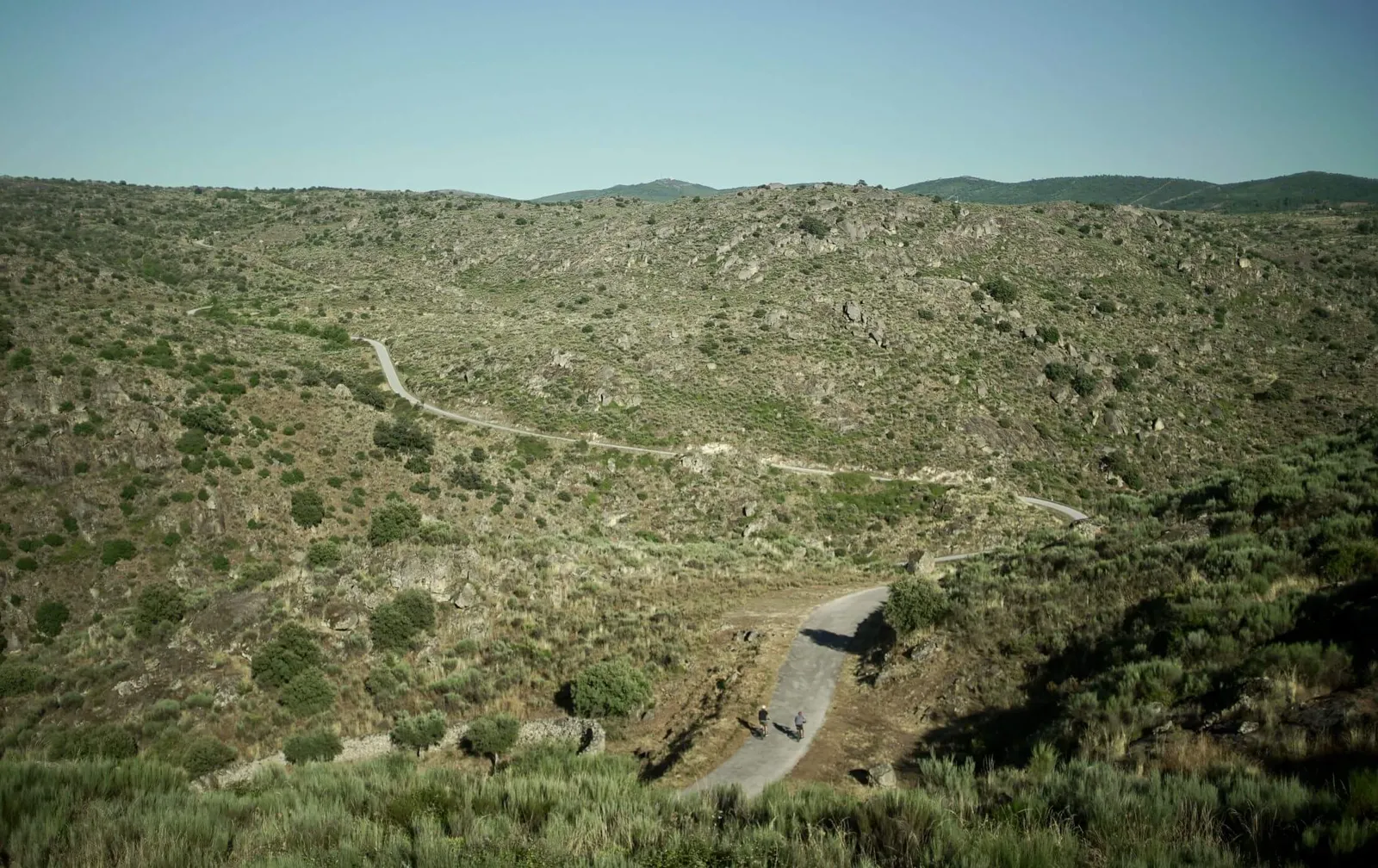
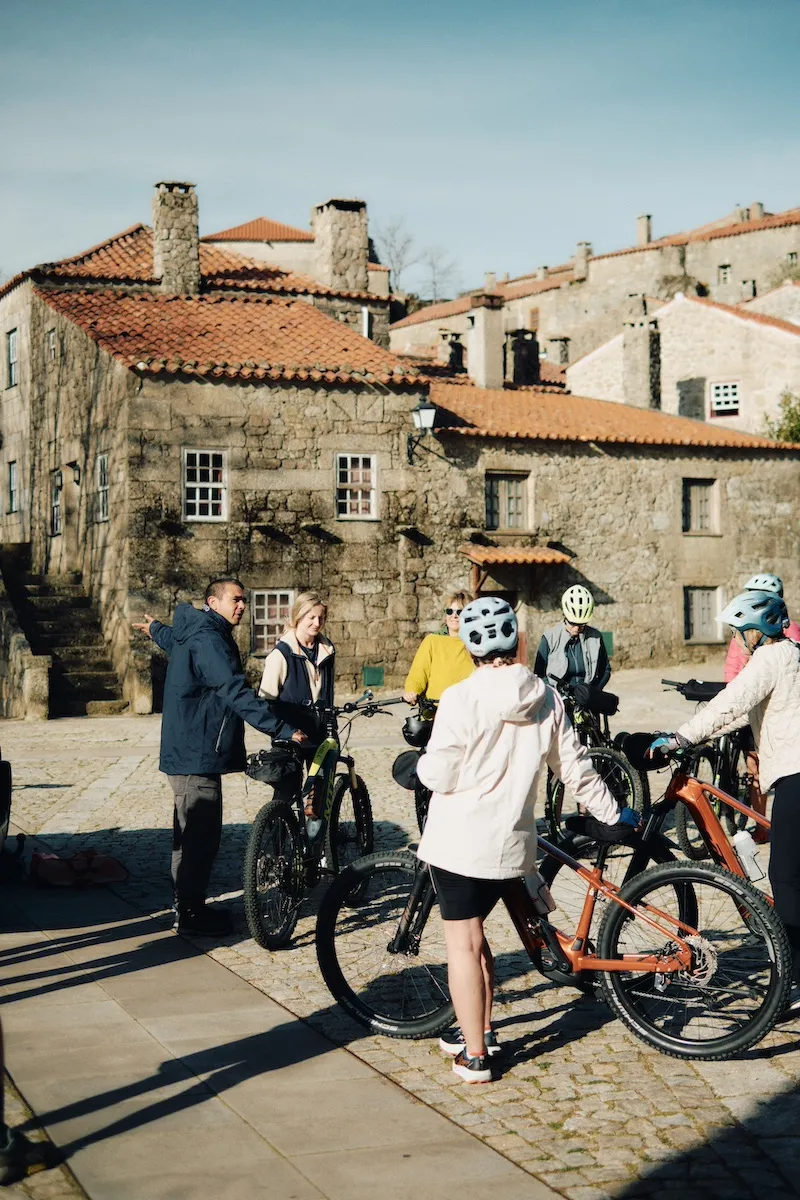
Ready to explore the Côa Valley? We run a six-day cycling journey through the fortified villages, the rock art sites and the rewilding landscape of the Greater Côa Valley. Find out more on our Côa Valley cycling holidays page or get in touch and we'll talk it through.