Julian Matthews of TOFTIGERS on Tigers and Tourism
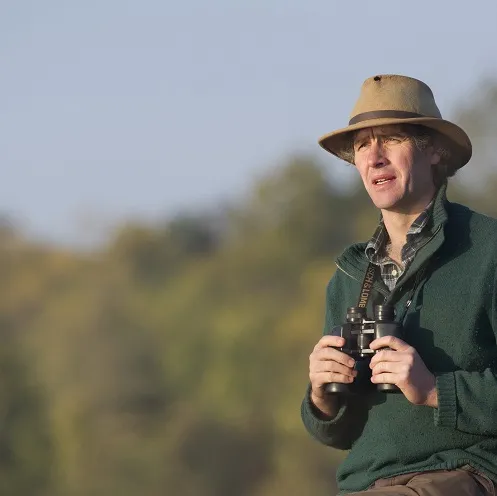
If you've cycled with us through the teak and sal forests of India's Madhya Pradesh, you'll already know the name TOFTigers (Travel Operators for Tigers). Founded by Julian Mathews back in 2004, when India's tiger population had fallen to just 1,400. The conservation charity has been integral to the rejuvenation of the tiger population in Madhya Pradesh, where we now run trips that Julian also hosts. So when Julian published a piece in the June 2026 issue of Sanctuary Asia that pushes back on the narrative that nature tourism is turning India's tigers into man-eaters, we wanted to share it with our guests and explain why it matters.
Tiger Conservation and Tourism
Karnataka's Bandipur and Nagarahole Tiger Reserves shut their gates for nearly three months during the 2025 safari season, after a wave of reporting linked tourist pressure to rising tiger stress and to attacks on people.
Julian, who has spent 35 years working in Indian wildlife conservation and tourism, thinks the story is being told back to front. As he puts it, "tourism is not the villain in this story"; poor land-use planning, inflexible governance and the sheer scale of conservation success are.

Tiger numbers in India have recovered from historic lows to well over 3,000 animals, and reserves like Bandipur and Nagarahole now sit near or above their ecological carrying capacity. Older, injured or displaced young tigers are pushed out beyond protected boundaries in search of new territory, often into farmland where livestock, not wild prey, is the easiest meal. Julian argues that, far from being a tourism problem, it's what success looks like when a country runs out of room for the animals it saved.
He's also careful to separate two things people tend to conflate: habituation and aggression. A small number of tigers within the roughly 20 percent of park land where safari tourism operates do become more comfortable around vehicles; however, there's no evidence these habituated individuals go on to become problem animals. Tigers remain fundamentally averse to humans.

Julian's argument is, also an invitation: come to these forests, meet the people who live in and around them, and put your money behind the model that's actually working. If you'd like more of the background, we've written about TOFTigers' founding and mission, and about our own slower route through central India. For more general information about the area and its history, our round-up of the best books on India and Madhya Pradesh is a good place to start.
Cycle the forests of Seoni, spend your evenings in tented camps and treehouse lodges, and help support the tiger conservation work that's making Julian's tigernomics a reality on our Tigers and Tribes of Central India Journey.
Latest Stories
Read all stories-
Vangelis: Slow Cyclist Guide in The Mani Peninsula, Greece
-
South Africa FAQS - Everything You Need to Know About Cycling in the Karoo
-
Watch: Our Karoo Webinar with Jaco and Katja
-
The Best Books Written by Adventurers and Explorers
-

The Quiet Case for the E-Bike
-
Europe by Train: The Best Way to Reach a Slow Cyclist Trip