The History of the Mani Peninsula
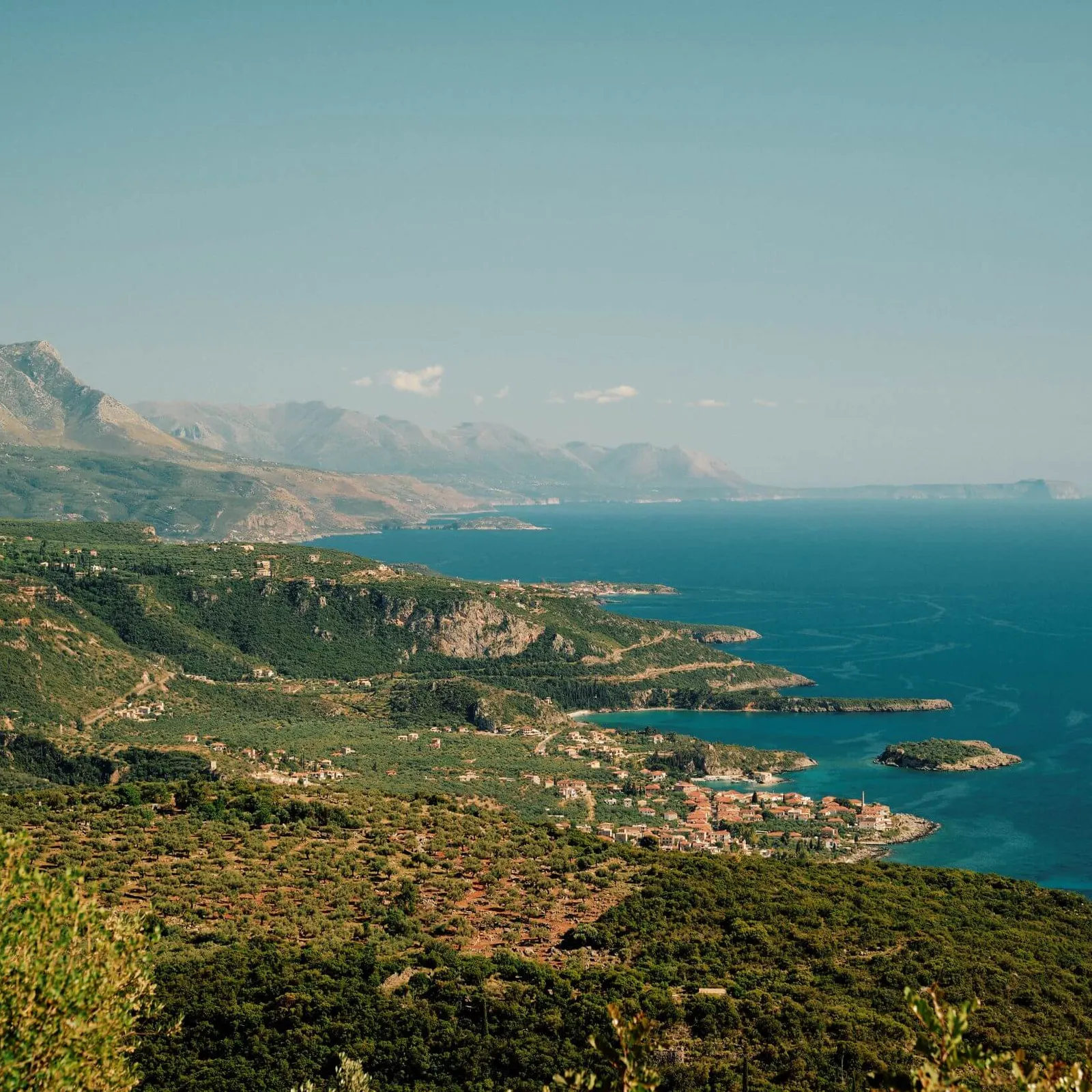
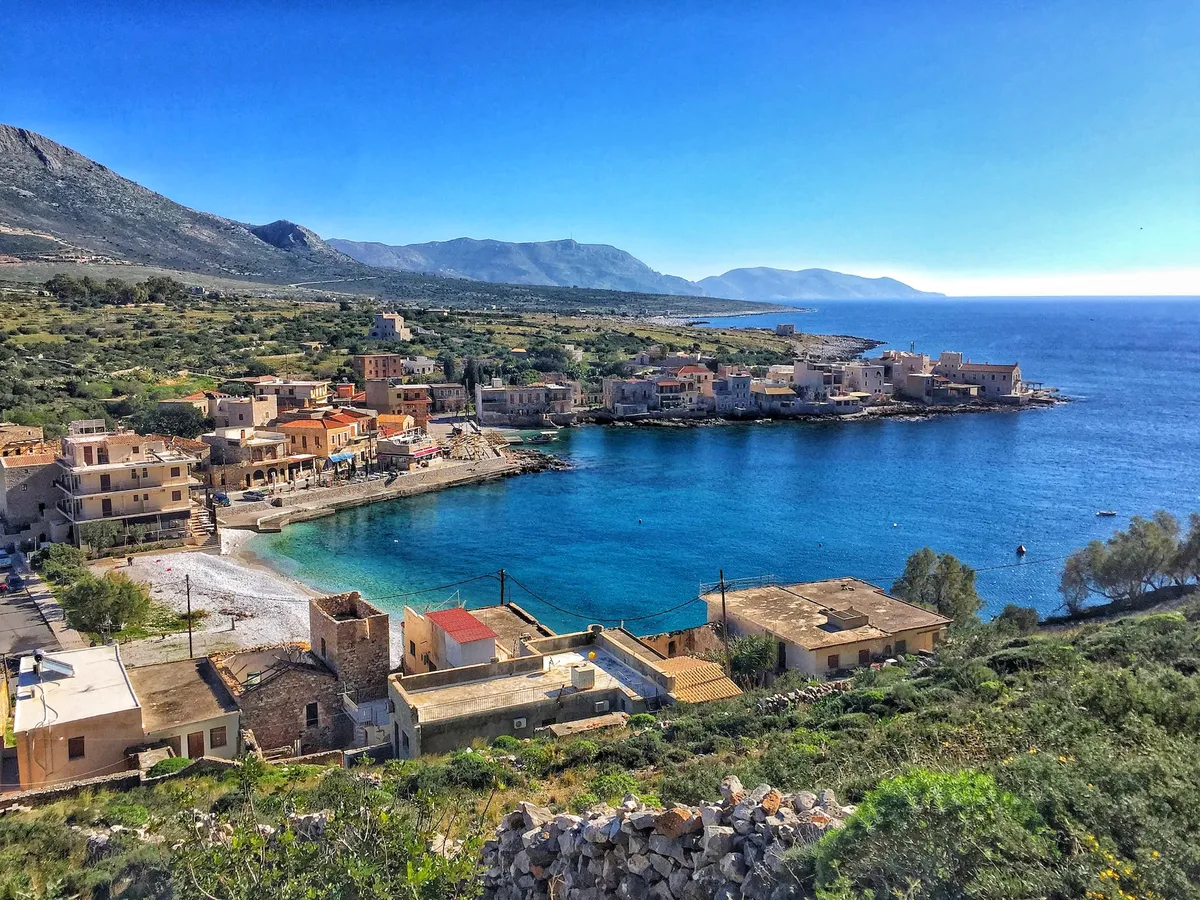
The Mani Peninsula extends into the Mediterranean from the southern Peloponnese, further south than any other point on mainland Greece. It is rocky, dramatic, sparsely populated and for most of recorded history, unconquered.
If you want to understand why the Mani feels so different from anywhere else in Greece, the history is a good place to start. This region is shaped both by its geography and by the character of the people who chose to live in it.
Mani and the Spartans
The Mani was once a part of Laconia, the territory controlled by Sparta. The Taÿgetus mountain range, which runs the length of the peninsula, formed the western boundary of the Spartan world, and the land to its south was Spartan territory from at least the 8th century BC. When Spartan dominance over the Greek world ended in the 3rd century BC, the Mani remained self-governed until becoming a part of the Roman Empire in the 2nd century BC.
The Spartan connection is an important part of Maniot identity. The Spartan saying "Tan e epi tas" ("With your shield or on it") appears on Mani's revolutionary flag, and is still displayed at the annual commemoration of the War of Independence on 17 March each year. If you travel through the Mani today, you will see Spartan helmets carved in stone, set into walls and displayed outside buildings throughout the region.
"Victory or Liberty"
The Spartan motto was simple: victory or death. Return with your shield or be carried on it. It is one of the most famous sayings in classical history. The Maniot version was different: victory or liberty. Not death, but freedom. Sparta was a military state; Mani was a community built on not being conquered. The Maniots were not interested in empire, only in remaining ungovernable. Under the Byzantines, the Franks, the Venetians and the Ottomans, the external control over the Mani was always limited.
The Ottoman Period
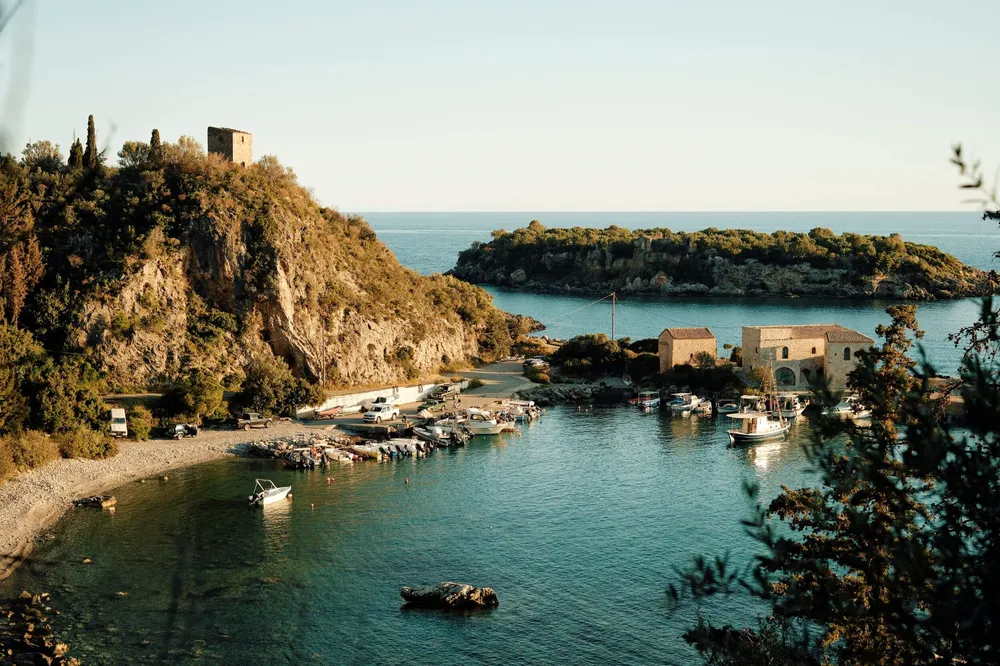
When the Ottoman Empire completed its conquest of the Morea (the Peloponnese), the Mani was brought under Ottoman rule. The Ottomans remained the nominal rulers until 1821. However for the most part, local chieftains, known as beys, governed the peninsula on the Ottomans' behalf. The rugged, barren interior was difficult to supply and harder to hold, and the Maniots had a reputation as fighters that the Ottomans found it more practical to work around than to confront directly.
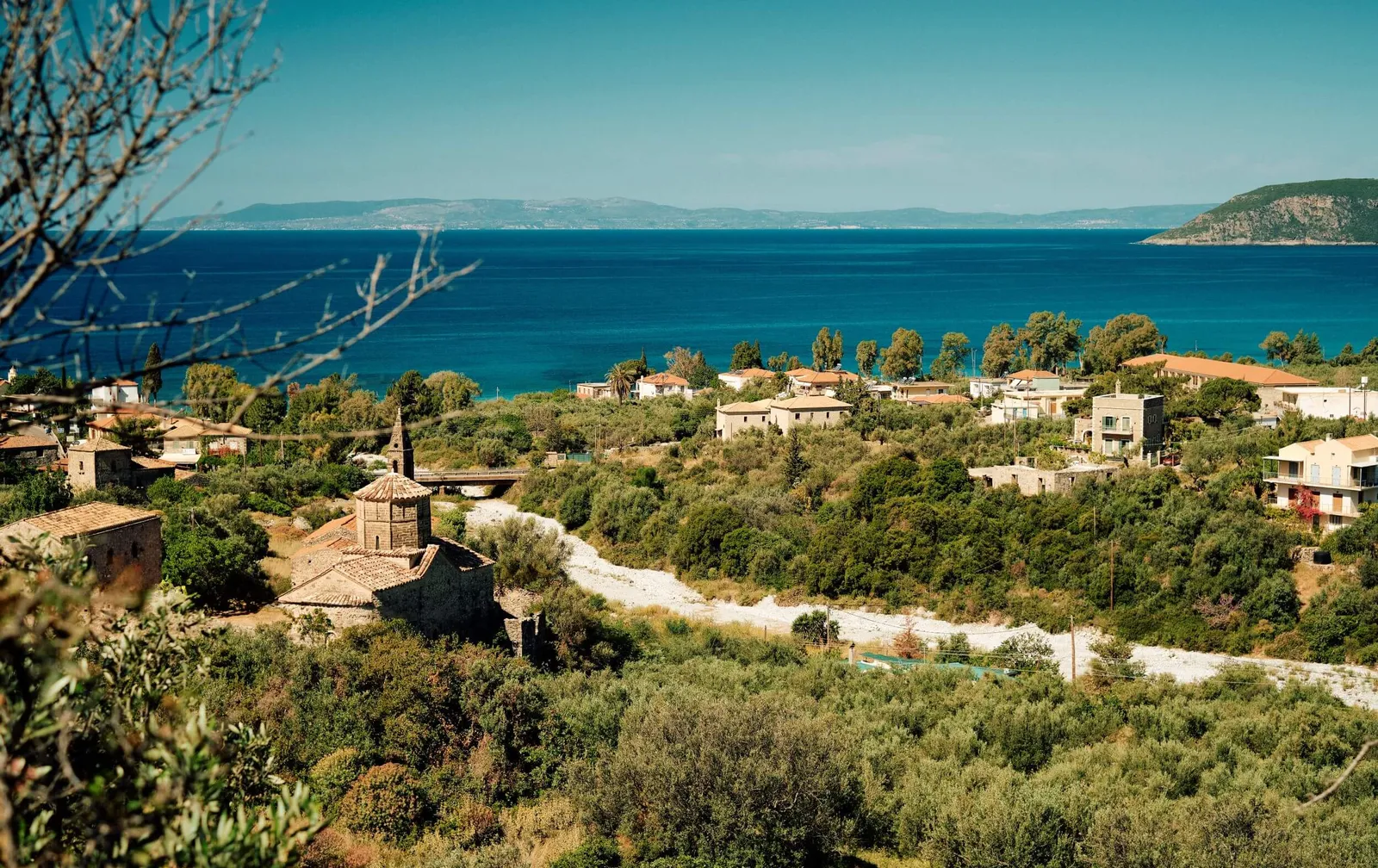
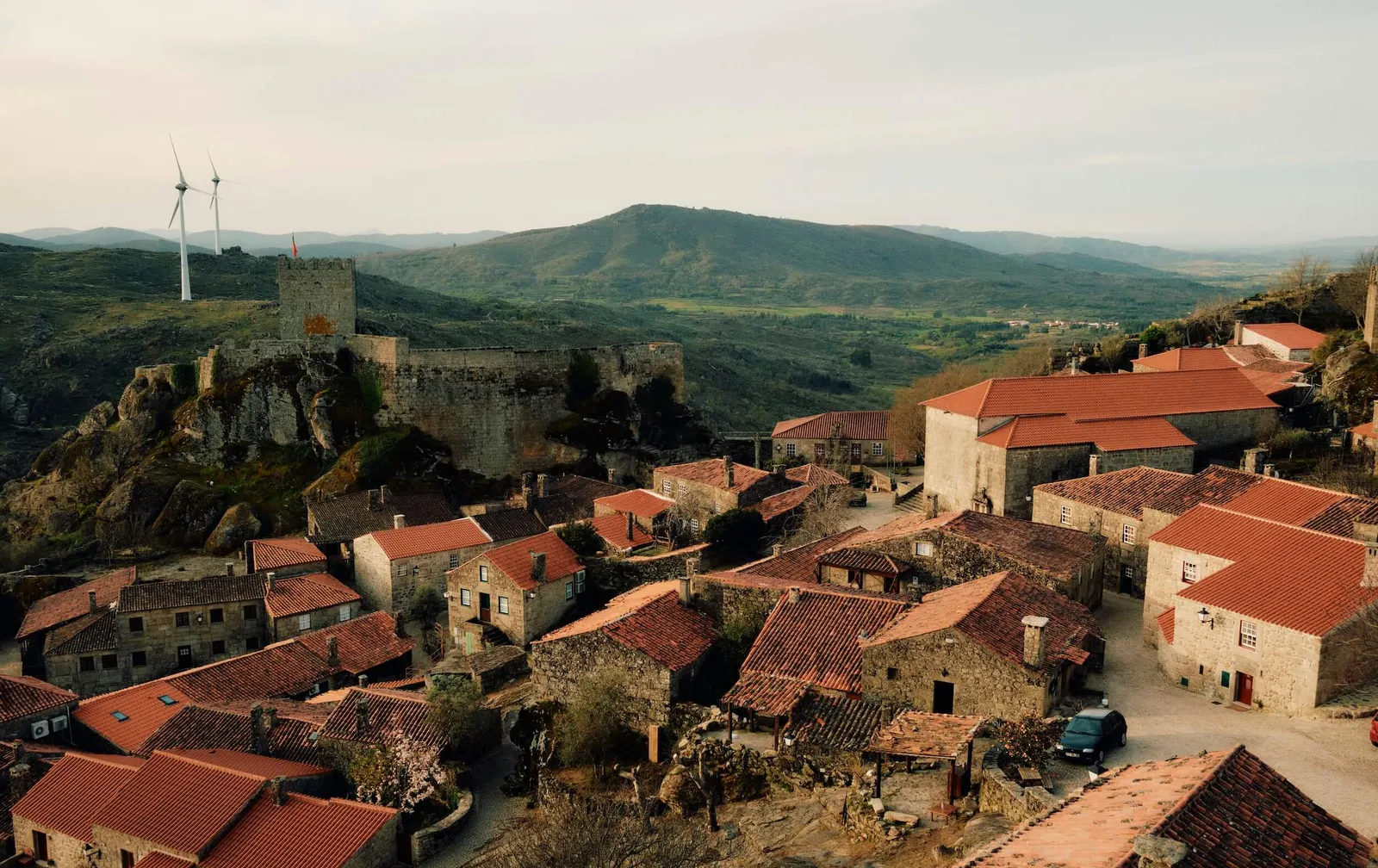
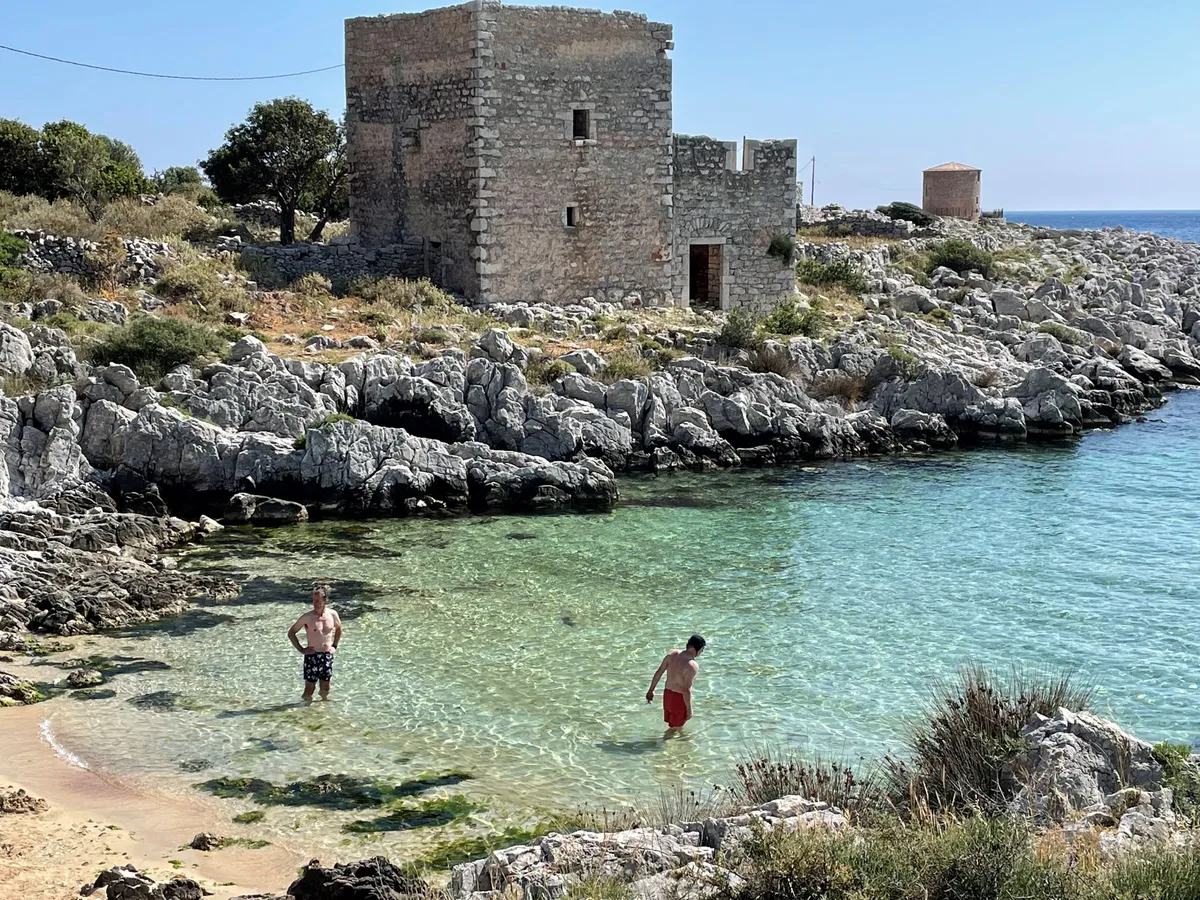
The tower houses that still stand within the Maniot landscape came from this period. With external governance unreliable and internal feuds between clans a constant, families built fortified towers from which they could defend themselves. Villages across the Mani are still dotted with these structures, some reaching eight or ten storeys, built entirely from local stone.
The War of Independence
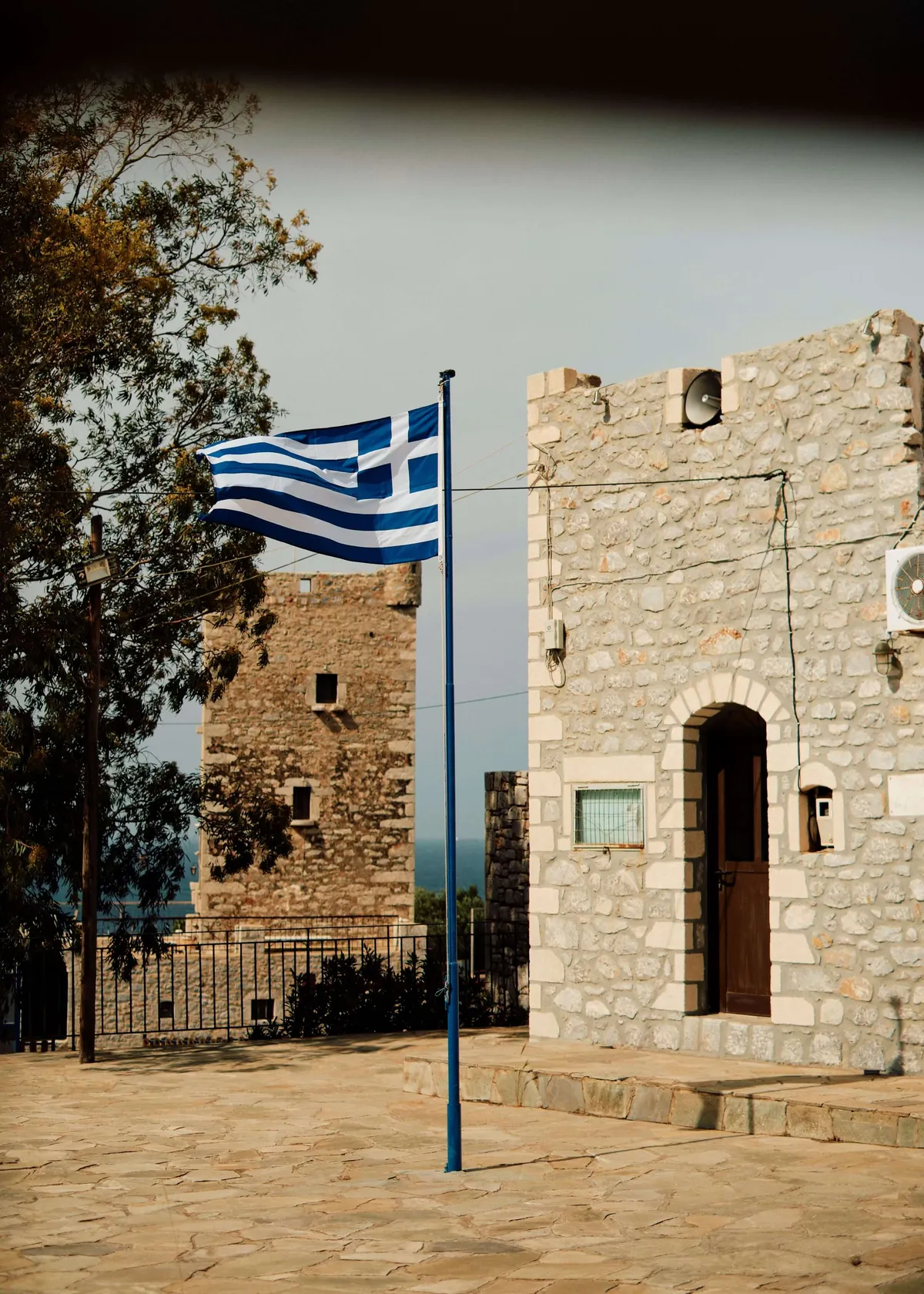
Greece's War of Independence is officially dated to 25 March 1821. A week earlier, on 17 March 1821, the last bey of Mani, Petros Mavromichalis (known as Petrobey), gathered Maniot fighters at Areopoli and declared war on the Ottoman Empire. Within days, Maniot troops had joined forces with Theodoros Kolokotronis and other leaders to take Kalamata on 23 March, the first significant town to be liberated in the uprising.
Maniot boats harassed Ottoman supply lines along the coast. Maniot fighters defended mountain passes against Egyptian forces brought in to suppress the rebellion. At the Battle of Diro, when Ibrahim Pasha tried to attack the Mani from the rear, it was largely the women of Mani who fought and held the position while the men were occupied elsewhere. Ibrahim lost over a thousand men and was forced to withdraw. The Mani was not subdued during that war or any other.
Patrick Leigh Fermor and the Writers Who Came
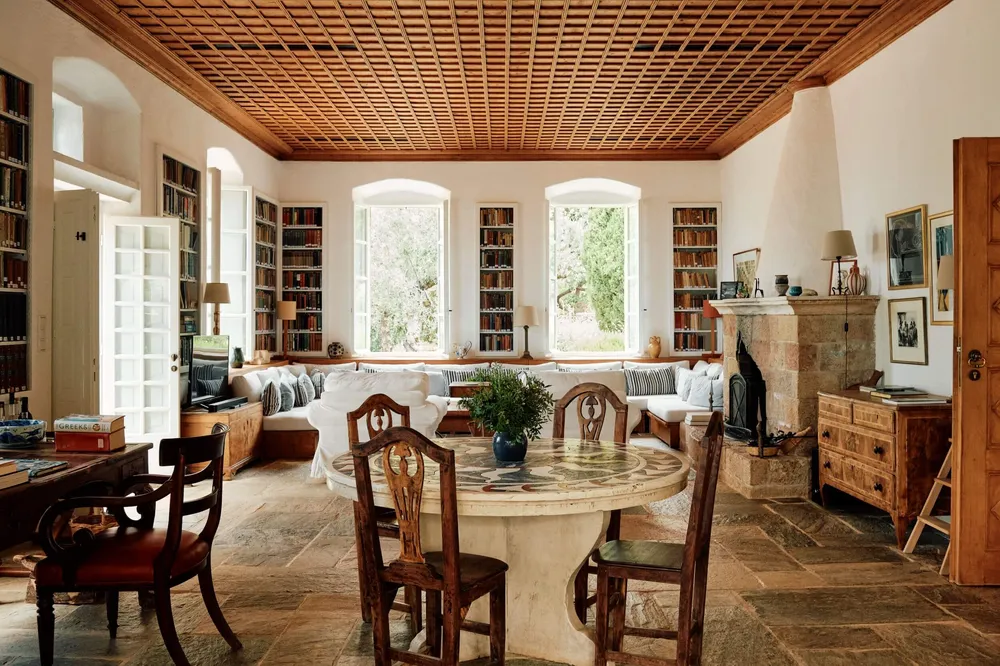
The Mani's combination of history, landscape and character attracted one of the 20th century's finest travel writers. Patrick Leigh Fermor arrived in Kardamyli in the early 1960s, built a house on a cliff above the sea and stayed for the rest of his life. His book Mani: Travels in the Southern Peloponnese, published in 1958, is one of the great pieces of writing about Greece and remains the best introduction to the peninsula for any visitor.
Fermor's house in Kardamyli, designed with the help of architect Nikos Hatzimichalis and completed in 1964, is now cared for by the Benaki Museum in Athens and is open to visitors on certain days. It remains one of the most evocative places in Greece, and our guide Joshua Barley has written at length about the influence Fermor's book had on his own relationship with the Mani and with Greece more broadly. You can read that piece here.
The Kardamyli Festival
Since 2021, Kardamyli has hosted an annual festival dedicated to literature, history and the arts. Founded by James and Charlotte Heneage, the Kardamyli Festival runs each October over a long weekend, limited to 350 attendees and structured around morning talks from writers, academics, scientists and public figures, with afternoons free to cycle, walk and explore the peninsula.
The festival opens with a drinks party at Patrick Leigh Fermor's house. The programme has, in previous years, included author Victoria Hislop on modern Greek history, journalist Jonathan Freedland on democracy, and Rory Stewart on the Middle East.
We have been involved with the Kardamyli Festival since its inaugural year, combining the cycling and walking of the Mani with the intellectual life of the festival across a week-long journey. You can find out more about our Kardamyli Festival trip here.
The Peloponnese and Homer's World
The Peloponnese region was chosen by director Christopher Nolan for key sequences of his 2026 film adaptation of Homer's Odyssey. The Greek portions of the shoot took place in Messinia, the region that borders the Mani to the north, with Nestor's Cave at Voidokilia Beach used for a pivotal scene and the Venetian fortress at Methoni providing another.
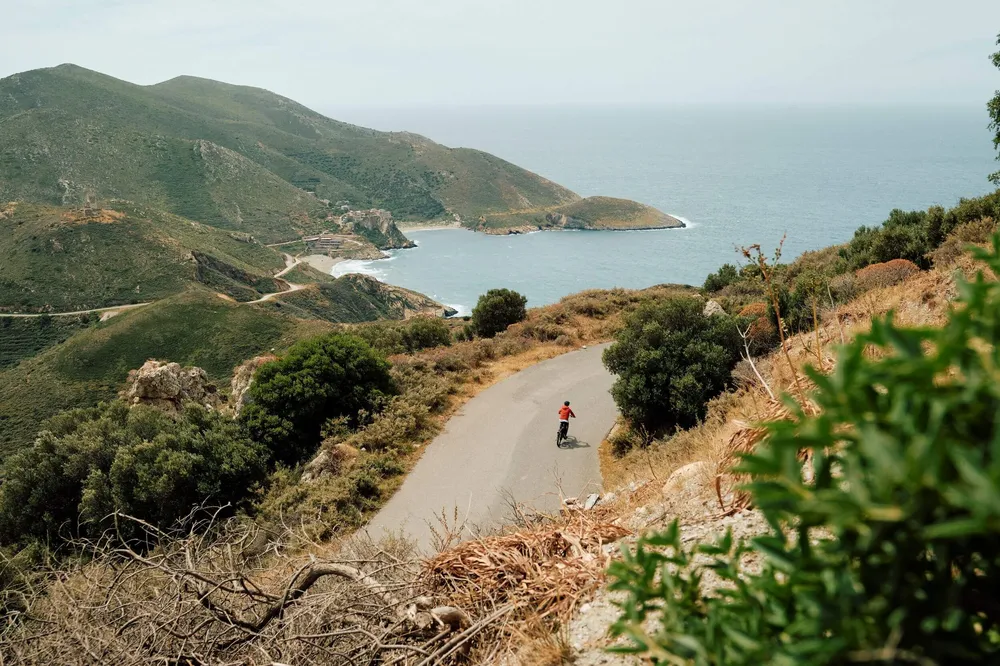
We run e-bike tours in the Mani, including our annual trip combining the peninsula with the Kardamyli Festival each October. To find out more, visit our Mani cycling holidays page or get in touch directly.