Why Travel To The Karoo?
There is a part of South Africa that most visitors never see. It sits between the famous Garden Route on the coast and the vast, flat interior of the Great Karoo, squeezed between mountain ranges that most people drive past on their way to somewhere else. It is called the Klein Karoo and has some of the finest cycling landscapes in Africa.
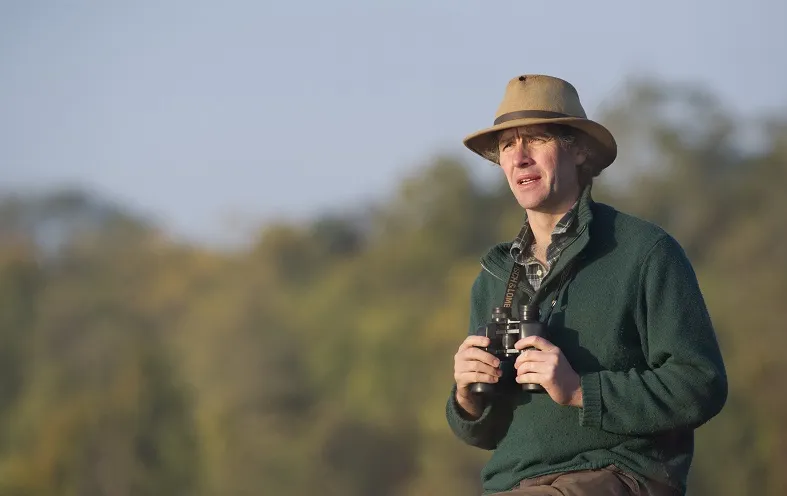
Our local guides Jaco and Katja have been leading journeys through this region for years and they both say the same thing: even South Africans are surprised it exists. It is the Slow Cyclist destination that consistently gets 5-star reviews every single time.
This is our attempt to explain what makes the Karoo worth the journey.
Karoo's Three Biomes
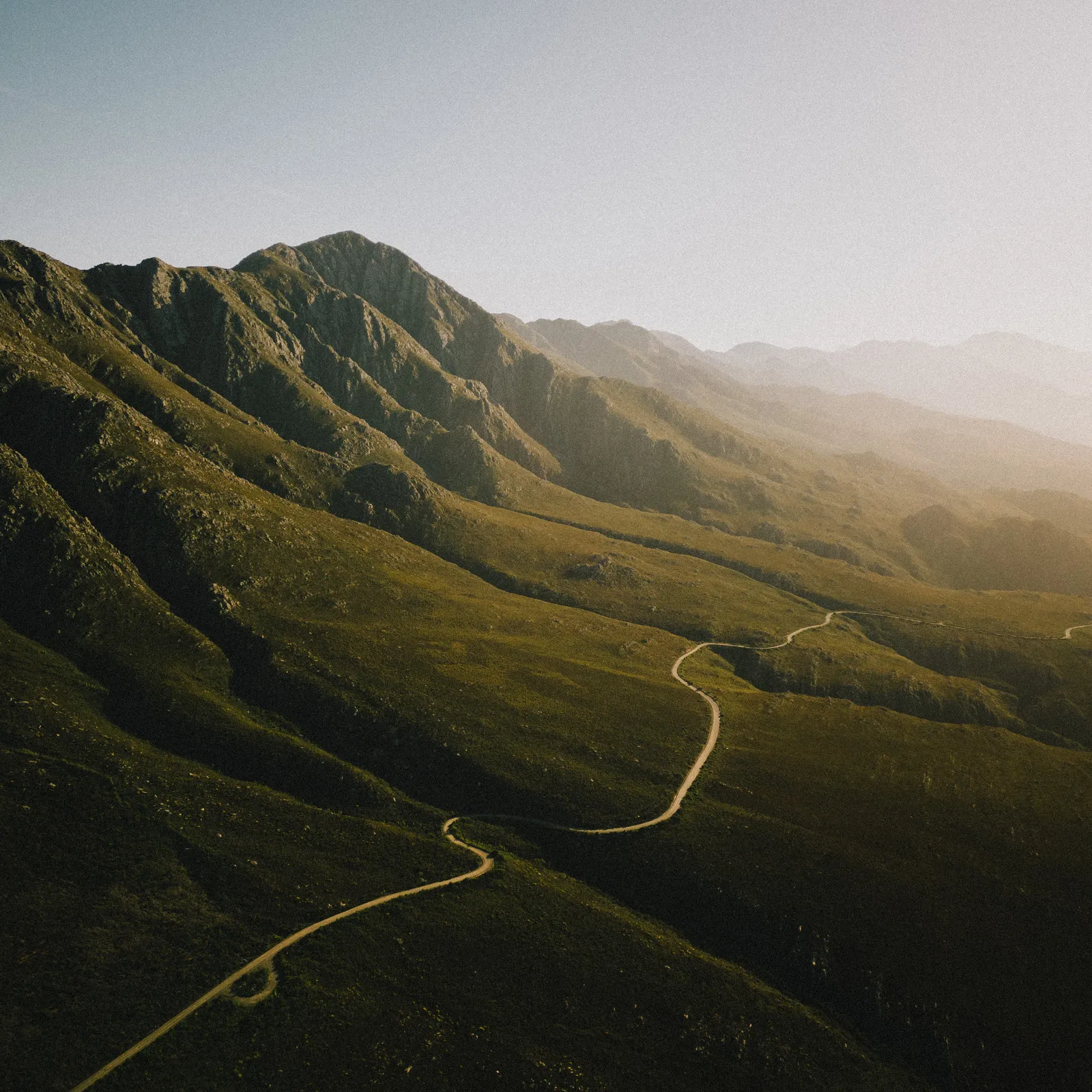
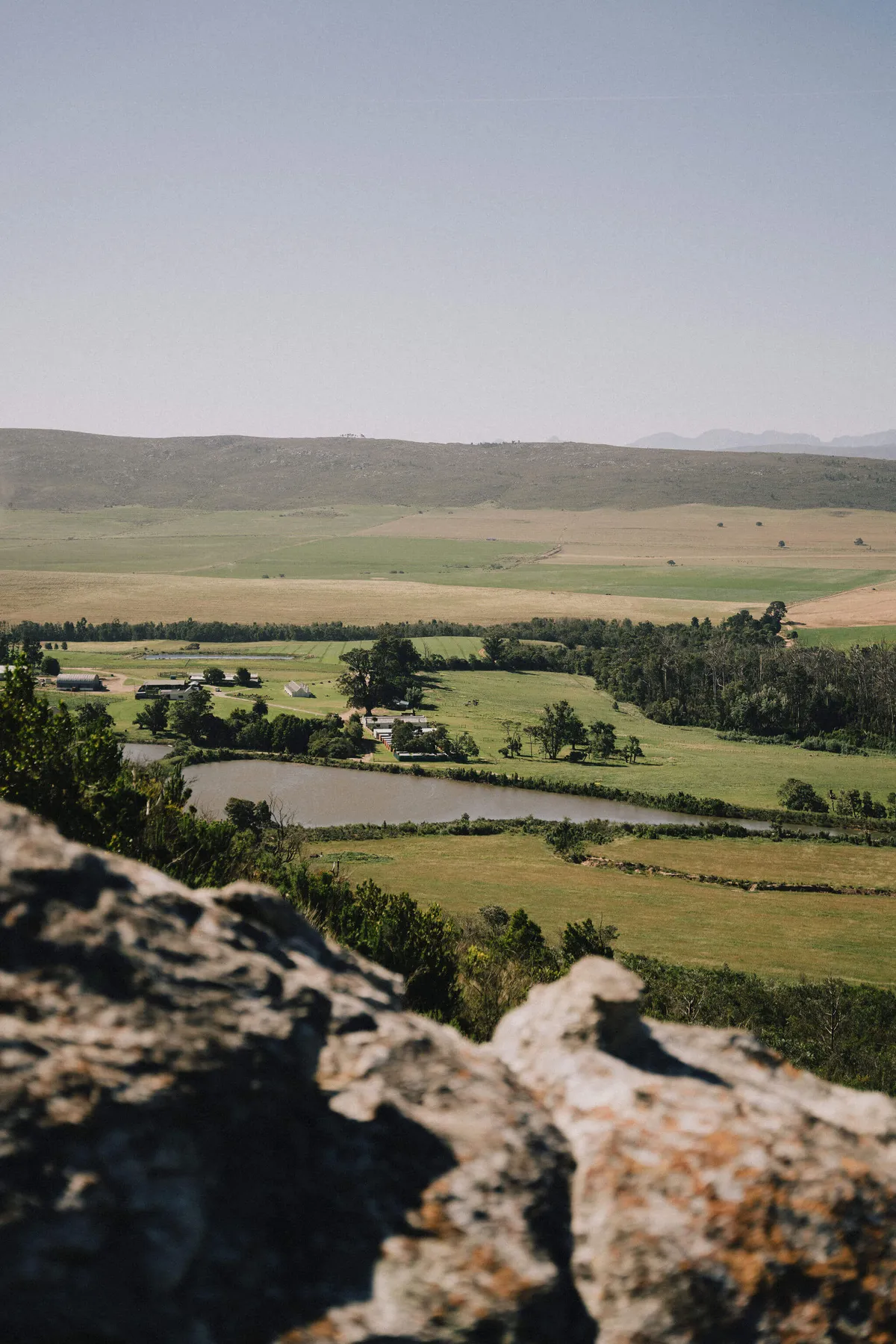
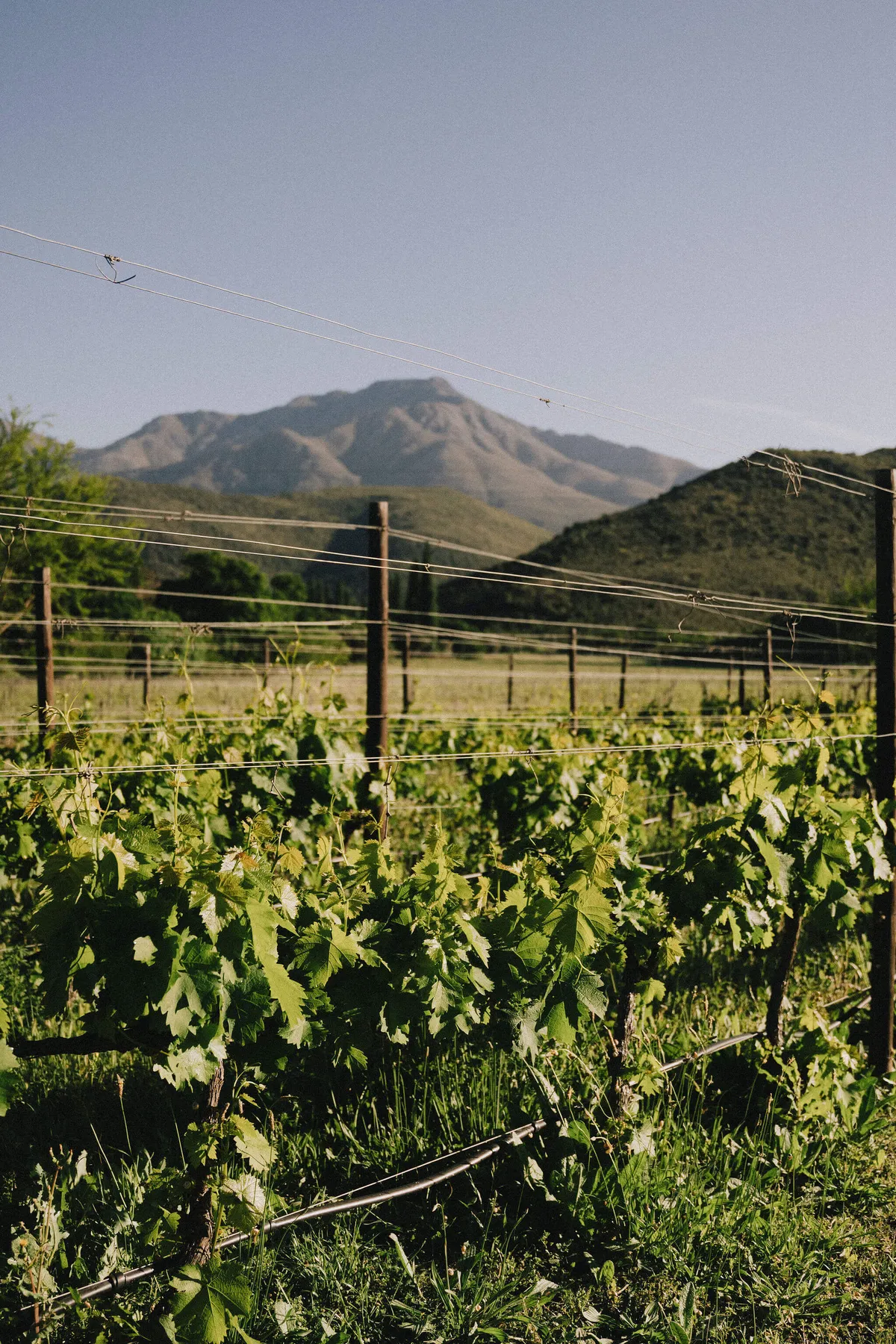
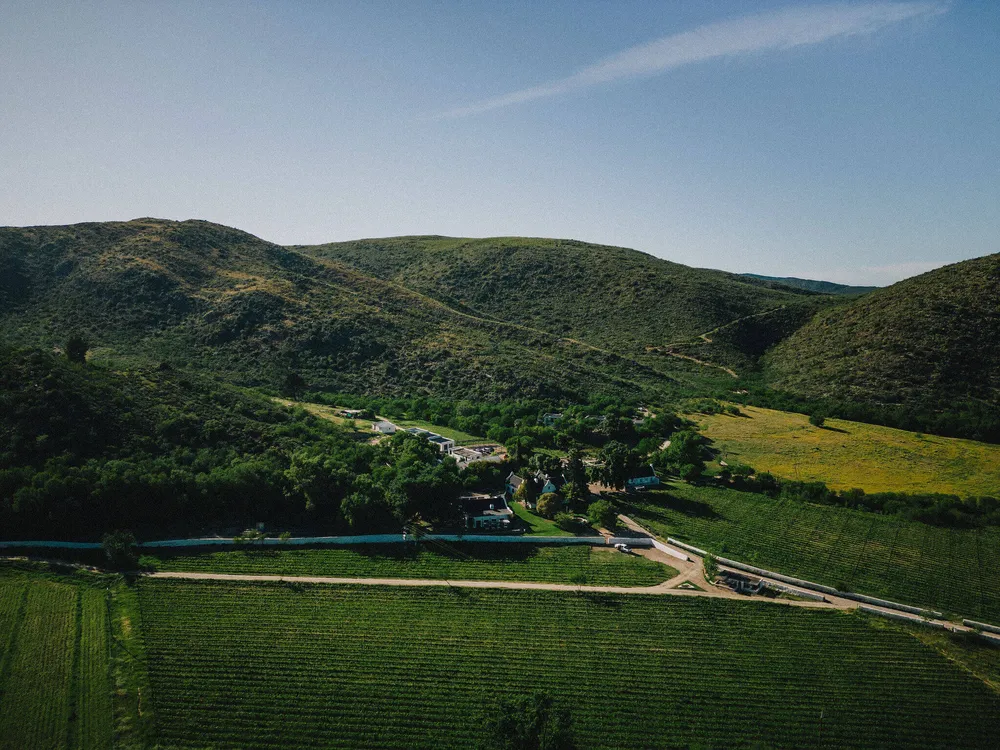
The most unusual thing about a journey through the Karoo is not any single landscape. It is the fact that you move through three entirely different biomes over the space of a few days. The journey begins in the historic Prince Albert, a small, sun-baked town on the northern edge of the Klein Karoo. Wide streets, whitewashed Cape Dutch architecture and a quiet solitude. The surrounding landscape is semi-arid and vast, with the Swartberg Mountains rising to the north and nothing much moving except the occasional ostrich.
From here the route climbs into the mountains, crosses the Swartberg Pass and descends into farmland and valleys. The vegetation shifts and the temperature drops. Further south, the mountains give way to dense temperate rainforest. Then the land opens onto the Indian Ocean coast at Knysna and Tsitsikamma, one of South Africa's most dramatic stretches of shoreline.
Charlotte Sinclair, writing about the journey for HTSI in the FT Weekend, described the Karoo as "an area uniquely suited for discovery by bicycle". You can read an excerpt from her piece here.
Tomas Bain and The Swartberg Pass
The Swartberg Pass is one of the greatest mountain roads in the world. The pass was completed in 1888 by Thomas Bain, the seventh child of Andrew Geddes Bain, the Scottish-born engineer who built many of South Africa's earliest mountain routes. Bain arrived in Prince Albert in 1883 and spent five years cutting the road through 24 kilometres of quartzite and shale.
Bain also recorded all of the prehistoric rock art he discovered while working on the passes he built. He painstakingly copied and documented the San paintings he found, which was key to the Swartberg Mountains becoming part of the UNESCO World Heritage Site.
The First People: San Rock Art and Ancient History
The Karoo has been inhabited for a very long time. The San people were hunter-gatherers, among the oldest indigenous cultures in Africa, and lived in this landscape for thousands of years before the arrival of European settlers, leaving behind one of the most extensive bodies of rock art on the continent.
The paintings and engravings found on rock faces, in shallow caves and on boulders across the Karoo are not decorative. They are records of a spiritual world that was central to how people understood their lives. The eland, the largest antelope of southern Africa, appears repeatedly, carrying particular spiritual significance.
The Ostrich Capital of the World
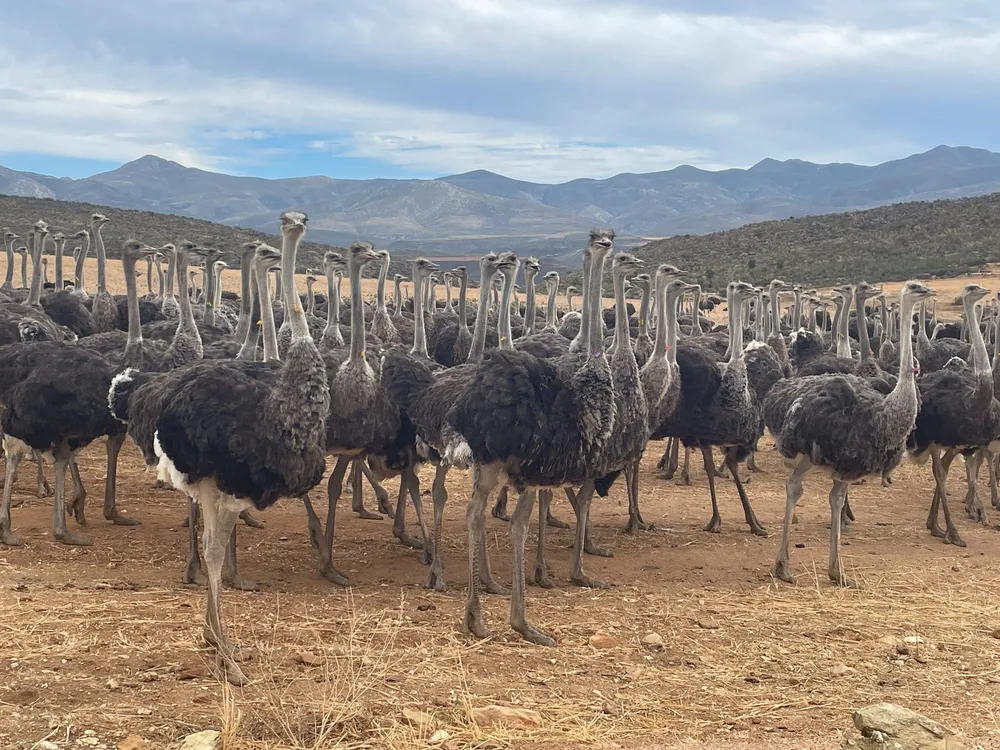
Oudtshoorn sits in the Klein Karoo and holds the title of ostrich capital of the world. The region produces more ostriches than anywhere else on earth, a legacy of the late 19th and early 20th centuries when ostrich feathers were one of the most valuable fashion commodities. The wealth it generated is visible in the elaborate sandstone mansions known as feather palaces that still line the streets of Oudtshoorn today.
While the feather market collapsed after the First World War, the ostriches remained. Today the Klein Karoo produces ostrich meat, leather and eggs for export across the world, and the birds themselves are a constant presence on the roads and farmland.
The Quiet Path
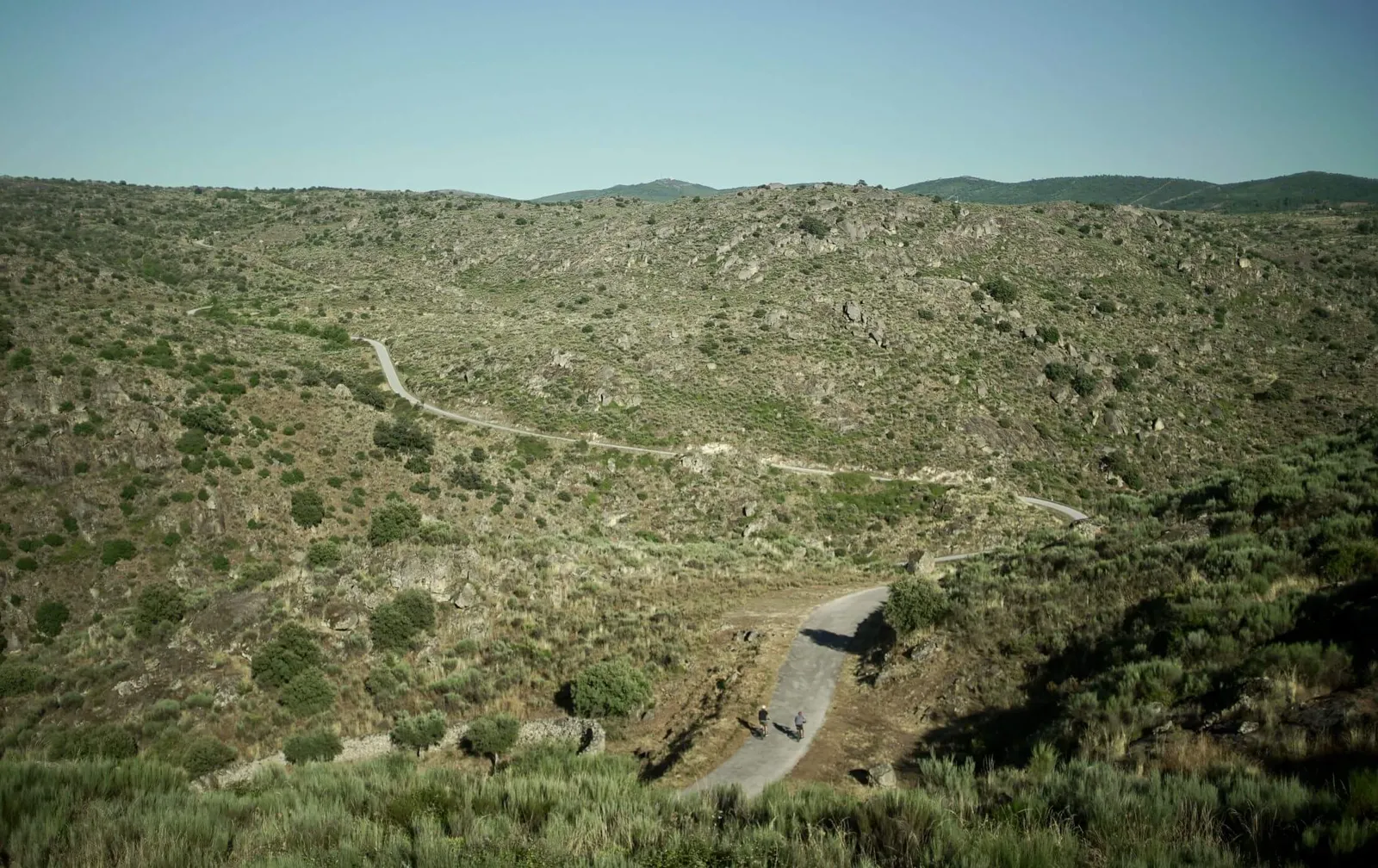
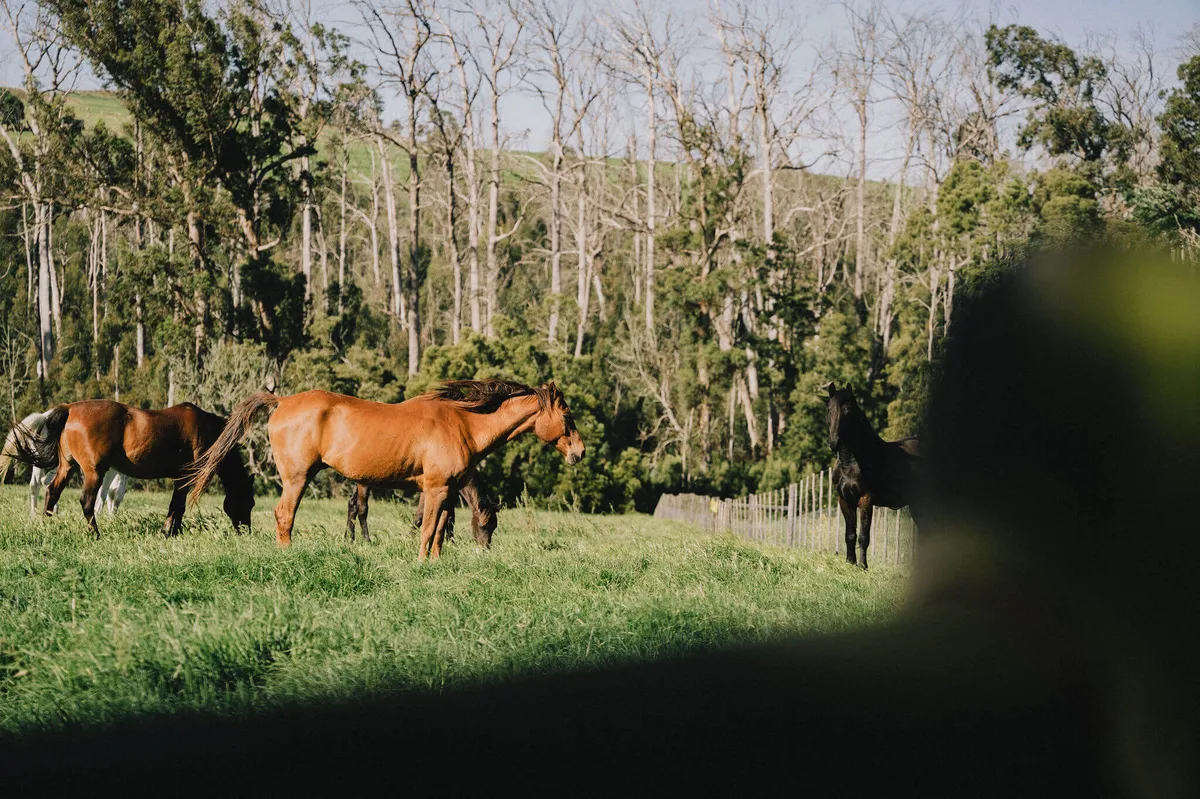
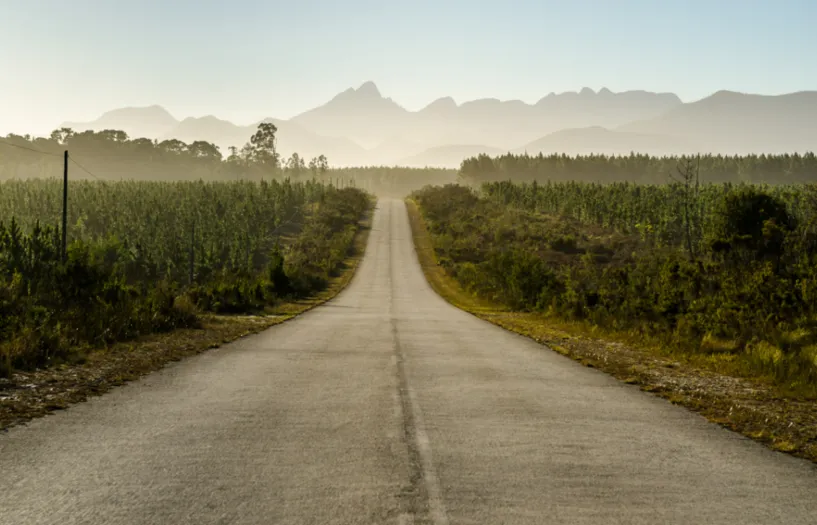
The Karoo has virtually no tourist infrastructure by comparison to the nearby Garden Route or the Cape. The roads we ride have little to no traffic, the towns are small and unhurried, and there are whole days on this journey when you might not see another vehicle.
Our local guide Jaco, talks often about the experience of standing still in the Karoo at dusk and simply listening to the wind and the birds. Journalist Keith Bain, writing about the journey for Inside Guide, put it well: "In an era when everyone seems to know everything in advance, having spied it on Instagram or read reviews on Tripadvisor, it's glorious not knowing what's coming next." The full piece is worth reading.
Karoo's Night Skies
The night sky in the Karoo is extraordinary; a combination of the altitude, the dry air of the interior and no light pollution for hundreds of kilometres in any direction. This is one thing guests describe as the most memorable moment of the journey. The Karoo is one of the premier stargazing locations in the southern hemisphere, which is why the South African Astronomical Observatory maintains a major facility near Sutherland in the Great Karoo. On a clear night, you can see the Milky Way's structure with a depth and detail that you will rarely find elsewhere.
The Accommodation
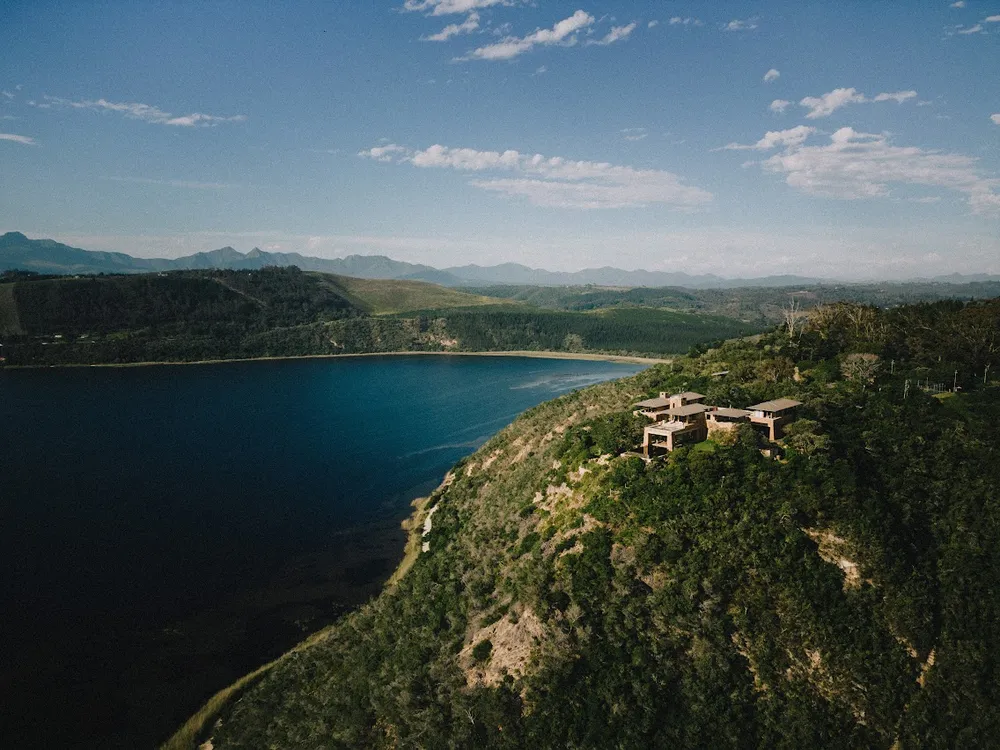
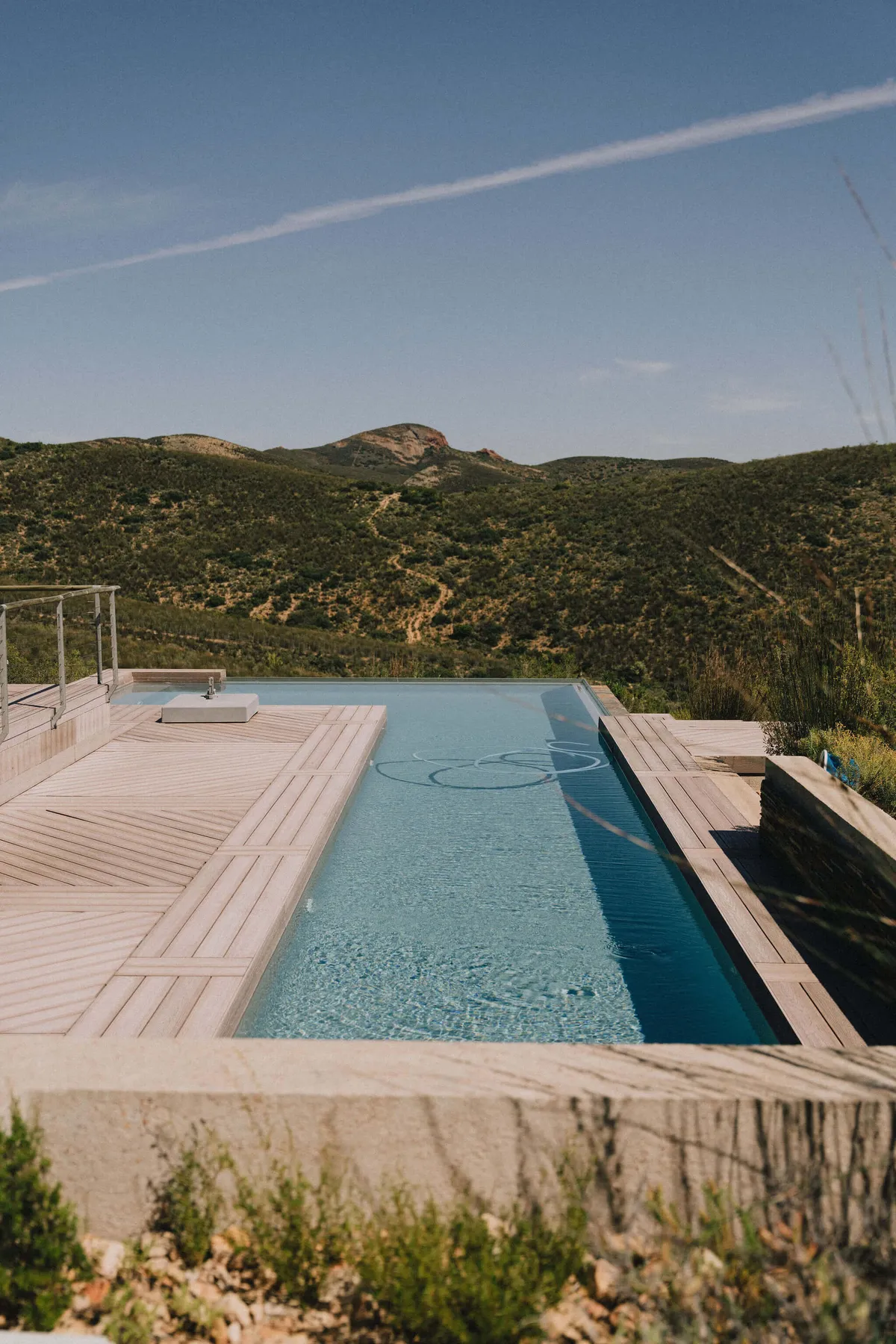
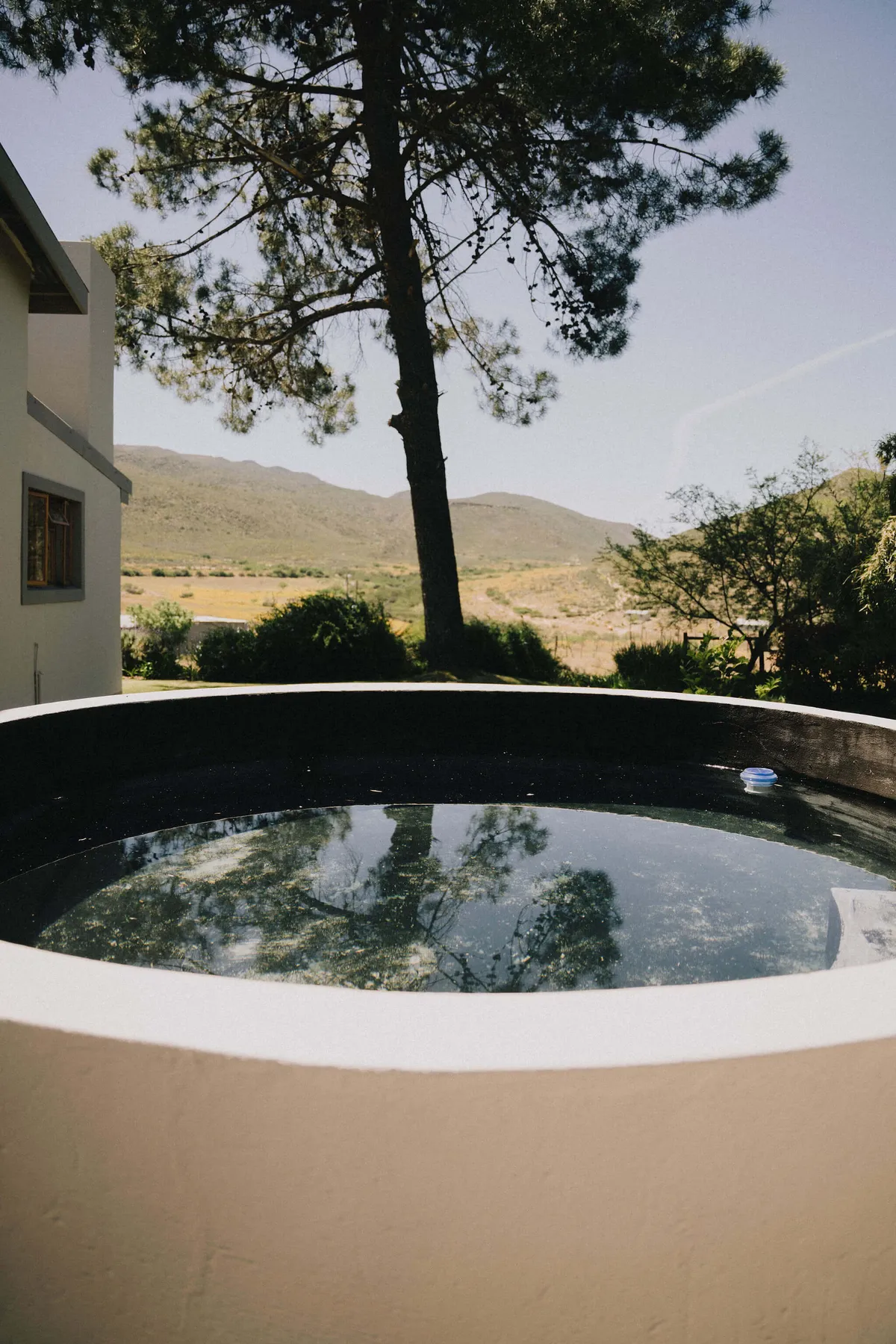
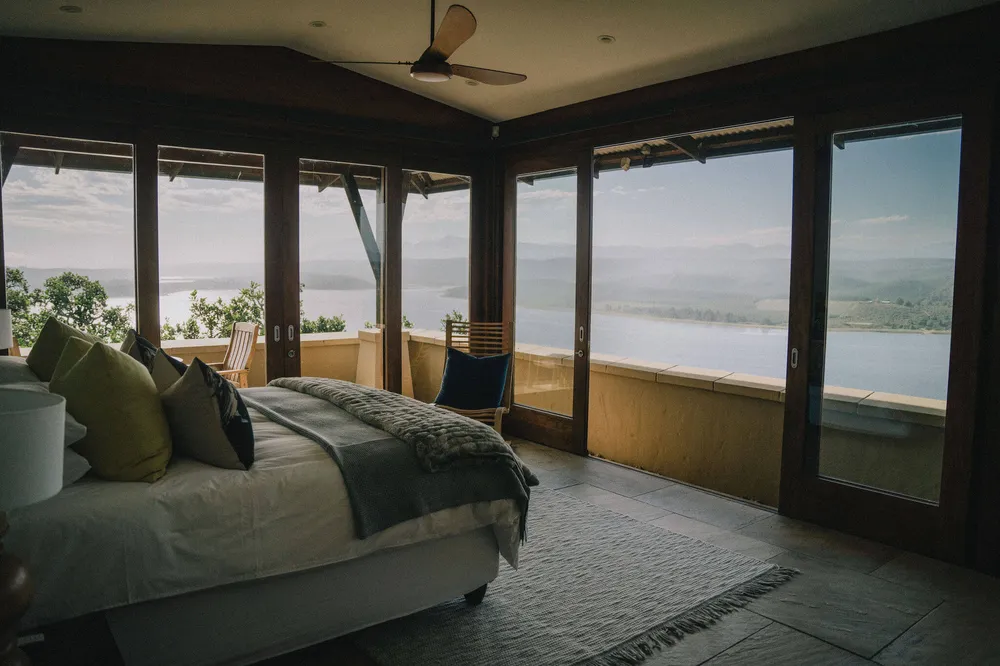
Each accommodation on the Karoo tour was chosen for its uniqueness and luxury. In Prince Albert, we stay in one of the oldest homesteads in the Karoo. In the mountains, a forest lodge surrounded by indigenous trees in the Tsitsikamma. On the coast, a modernist hilltop villa above the Indian Ocean. Photographer Chris Joubert joined Jaco and Katja on a recent journey through the Karoo and his images capture the essence of the places perfectly. His photo essay is here.
Want to explore the Karoo with us? Our seven-night cycling journey takes in the Klein Karoo, the Swartberg Pass, the rainforests and the Indian Ocean coast. Find out more on our South Africa cycling holidays page or get in touch and we'll talk it through.