Vagelis: Guide in The Mani Peninsula, Greece
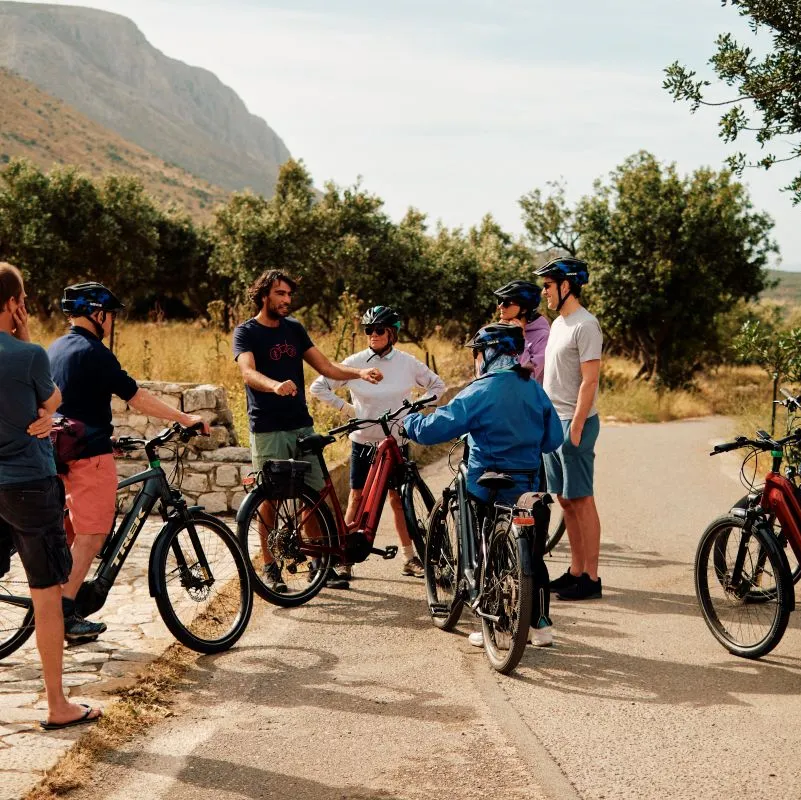
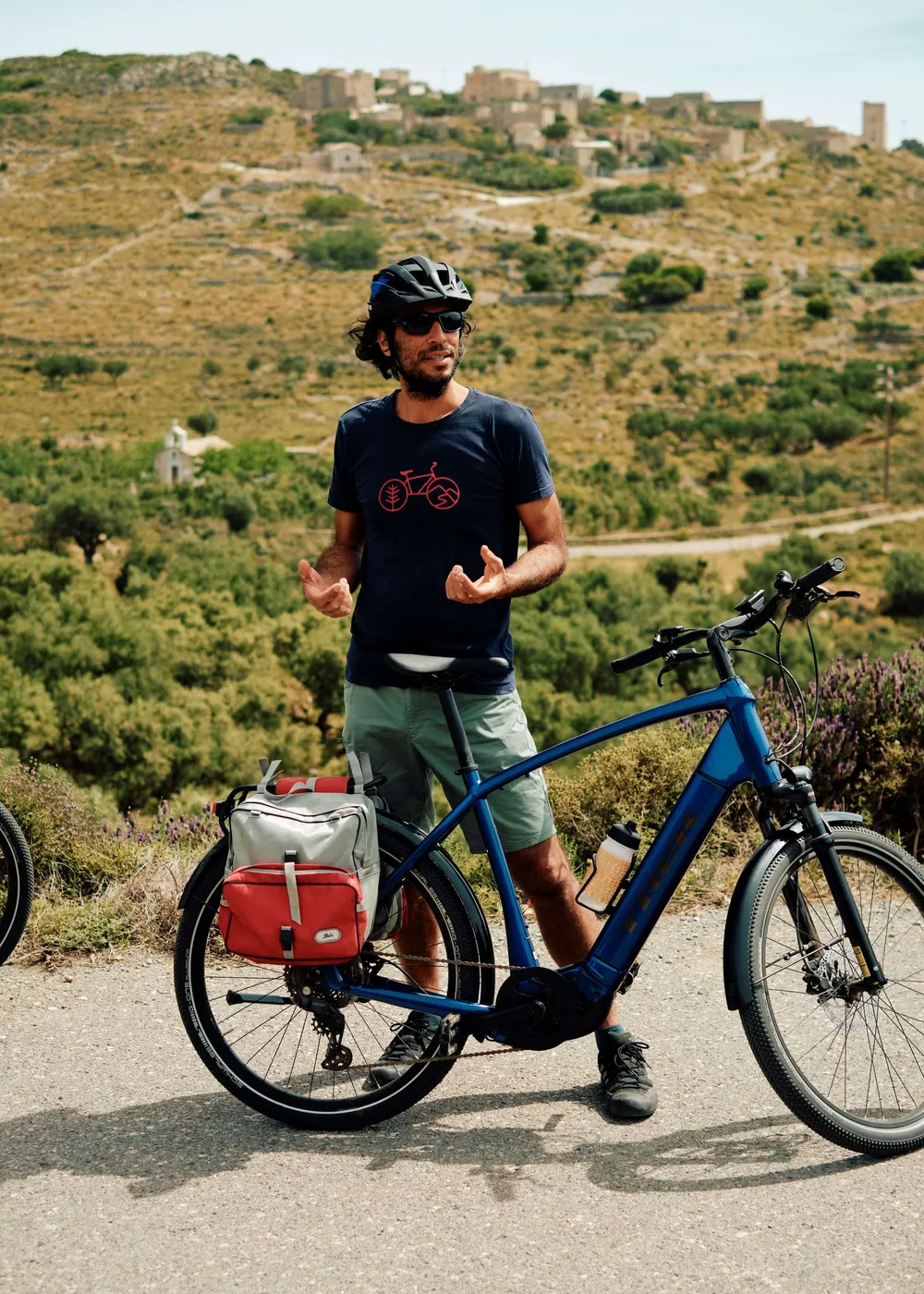
At The Slow Cyclist, we believe that the true soul of a place is best revealed through the eyes of those who know it best. Travelling with a local guide lets you see beyond the scenery and connect through someone who knows the land authentically. As such, we've been asking our incredible local guides to share a bit more about themselves and the homes they love to share with Slow Cyclist guests. Vagelis has been leading our journeys through the Mani Peninsula for several years now, and with his guidance, one of the most rugged, historic and captivating corners of Greece comes to life. Here's his take on why you should travel to the Mani Peninsula in Greece.
How would you describe the Mani to people who have never heard of it or been there?
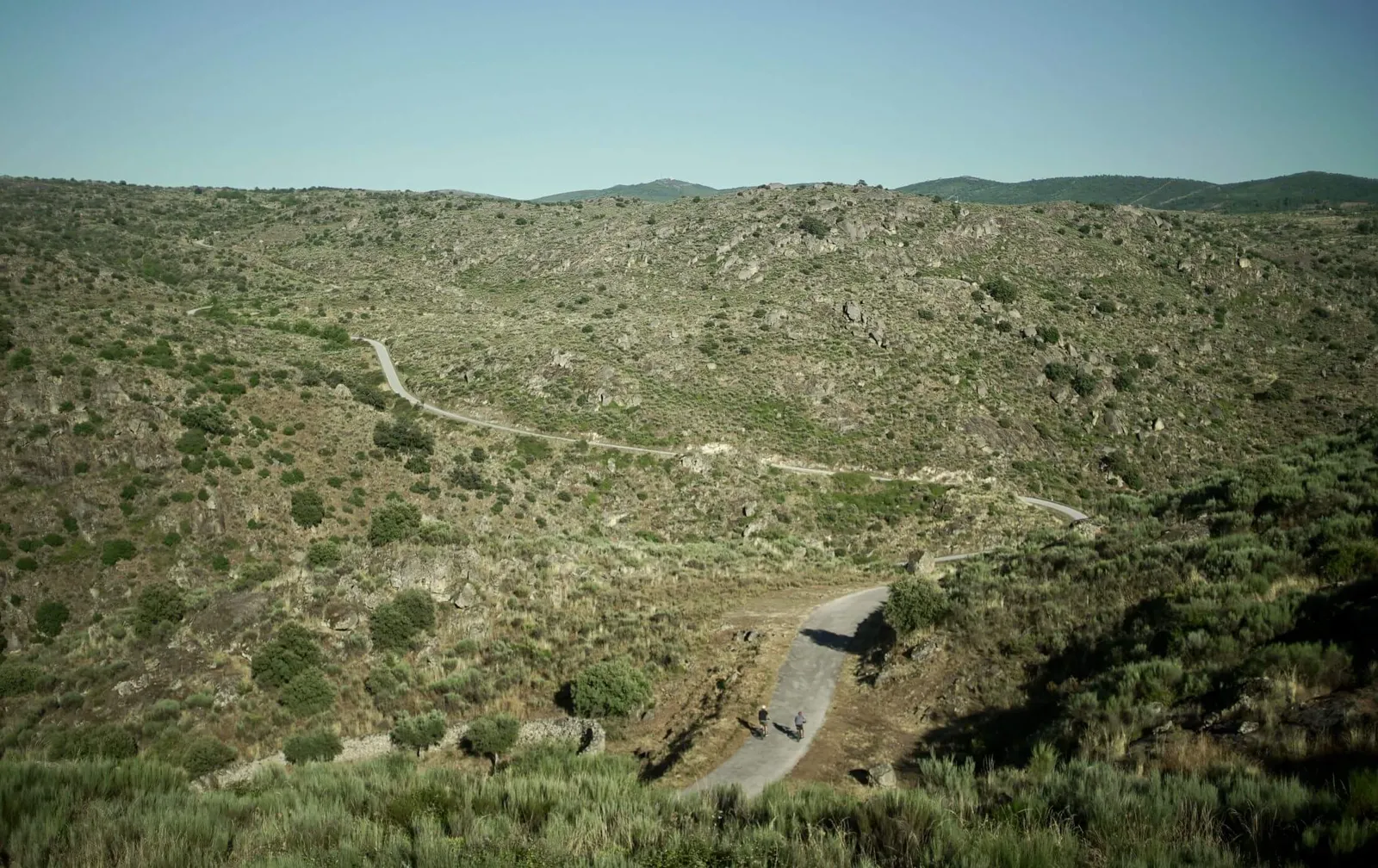
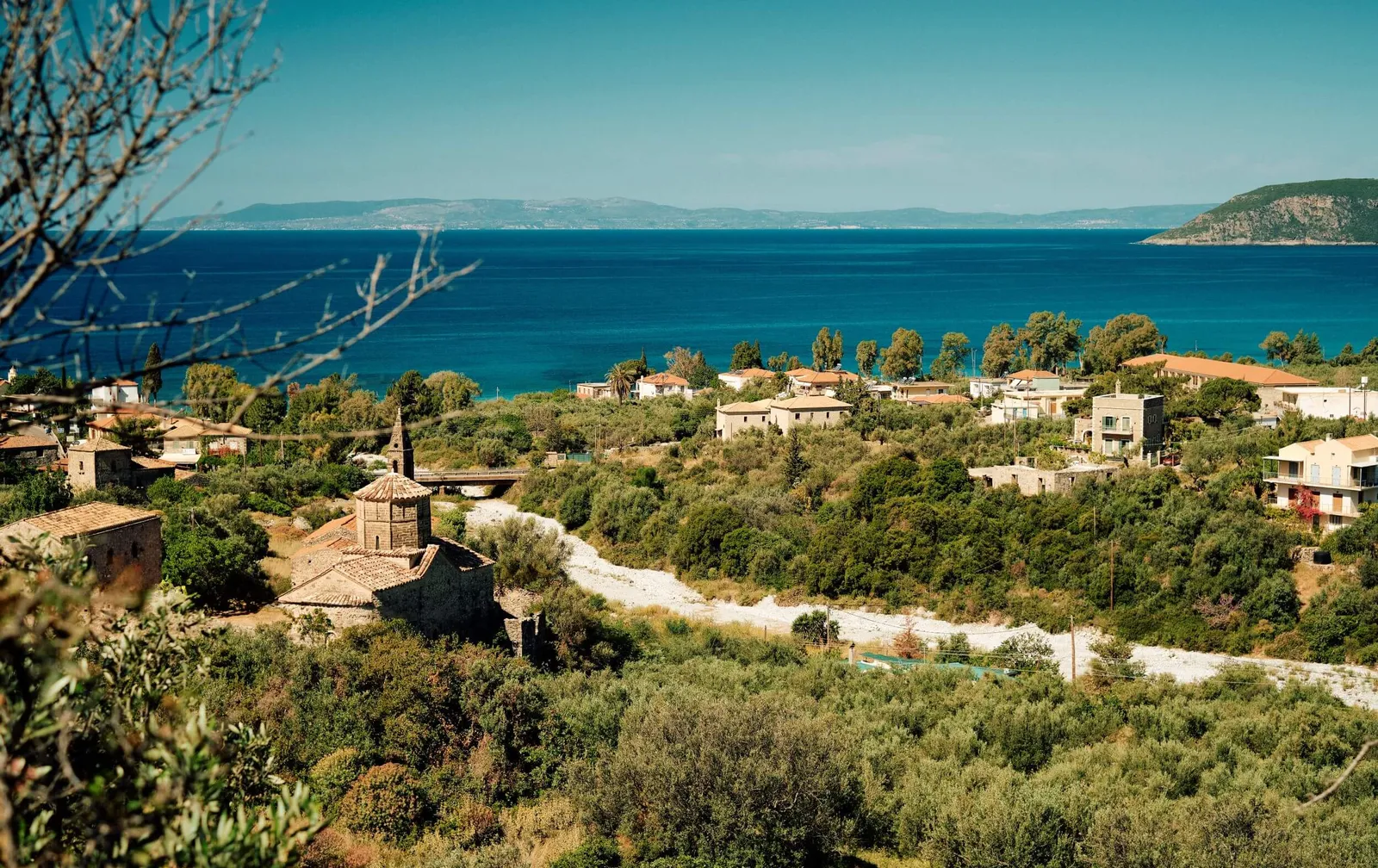
Mani is one of the most remote corners of Greece, with a landscape that is so rough it shouldn’t be inviting. That said, since prehistoric times, people have found shelter here and discovered the most welcoming pockets amidst the wilderness. Today, with the development of roads and the hospitality sector, it seems like this land has been tamed, but any detour from the main road brings you back to the wild Mani.
What do you think is really unique about this region, and what makes it so special to you?
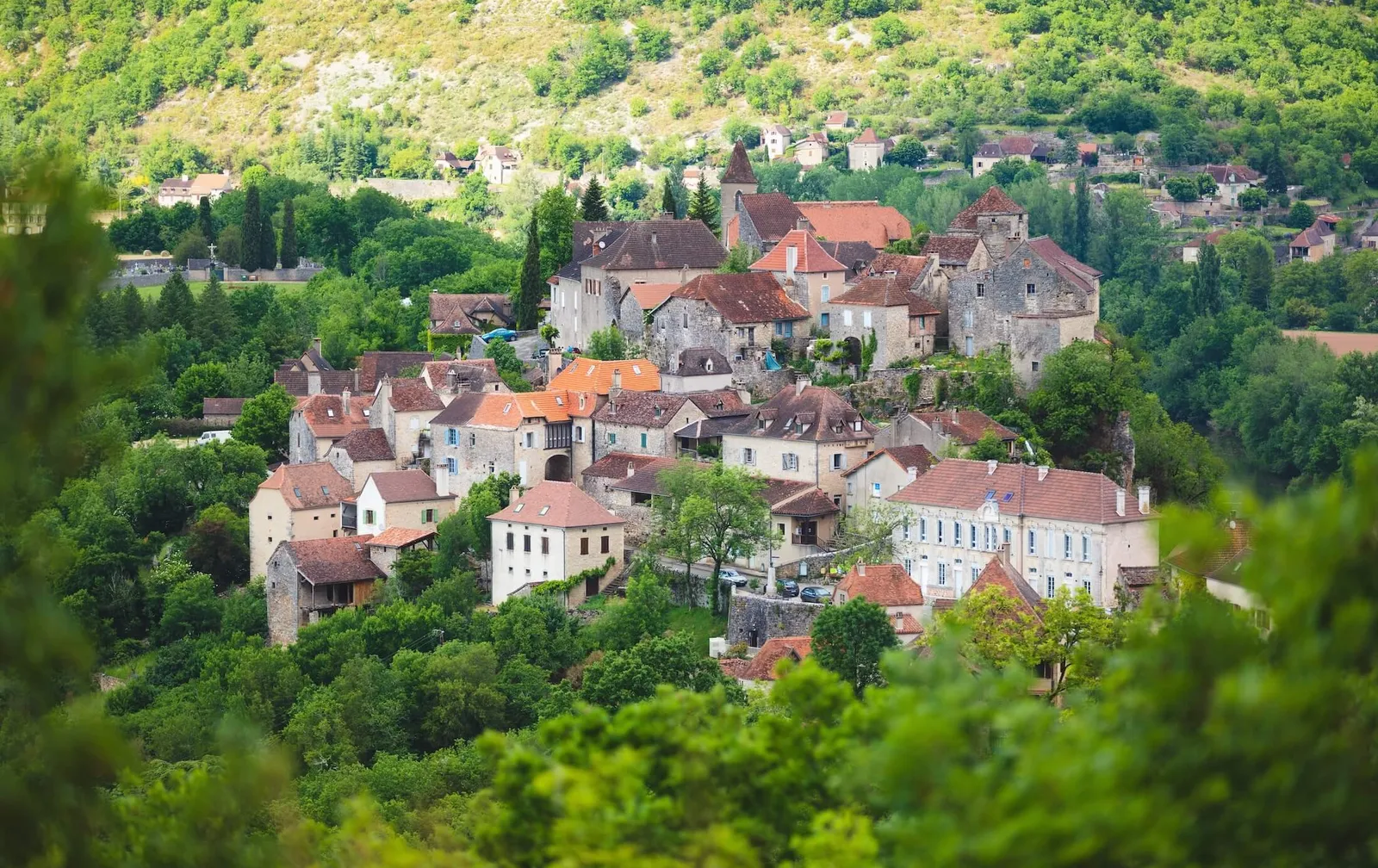
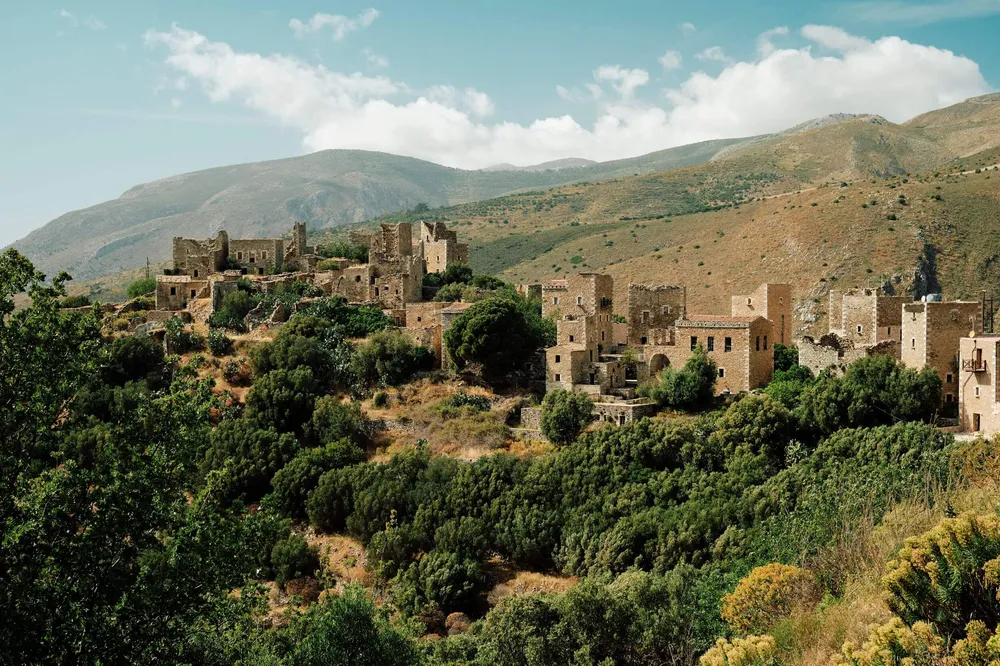
The unique thing about Mani is the difficulty of access that, combined with the rough terrain, has forced the locals over thousands of years to create an architecture and a way of life that is completely in sync with the landscape. Miles and miles of dry-stone wall terraces and cisterns under almost every building, narrow windows and spacious arch-supported cellars are all testament to this.
For me personally, Mani is the place where I spent a lot of my childhood summers and where I came back as a young man to explore on foot, by bike and by kayak – from the seafloor all the way to the high summits of the Taygetos mountains.

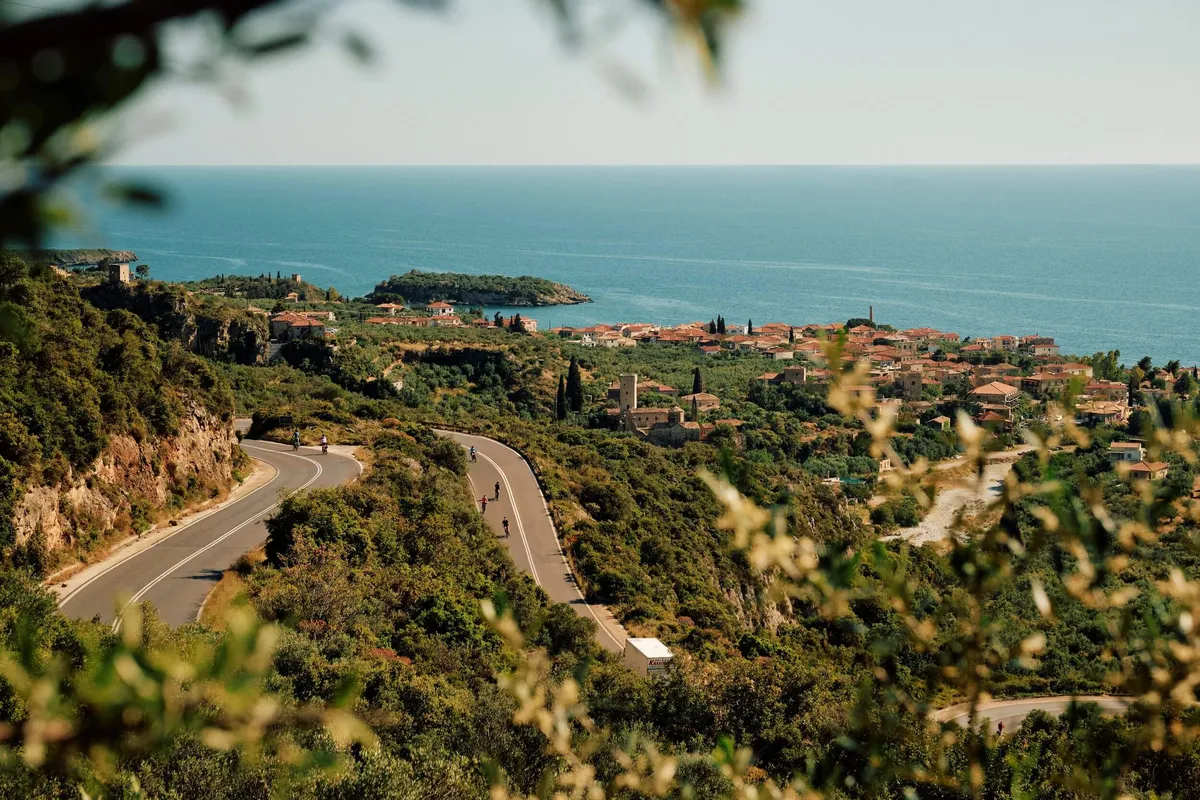
Can you tell us a little about the flora and fauna of the Mani peninsula and what makes it unique to this region?
The flora of Mani is essentially the flora of the Taygetos mountain range that runs for over 100 km from north to south. Its highest peak, Profitis Ilias, reaches 2,407 metres before gradually going down to sea level at the very end of Mani, Cape Tainaron. It holds a great variety of herbs and flowers, many of them edible or medicinal, and even around 30 endemic species that grow nowhere else.
As for the fauna, some of the most important species are the birds of prey that inhabit its endless cliffs and caves, the great variety of migratory birds that use Cape Tainaron as a stop between Europe and Africa, and, more recently, the wolves that have reappeared in the north of Taygetos.
What's your favourite thing about the Mani Peninsula?
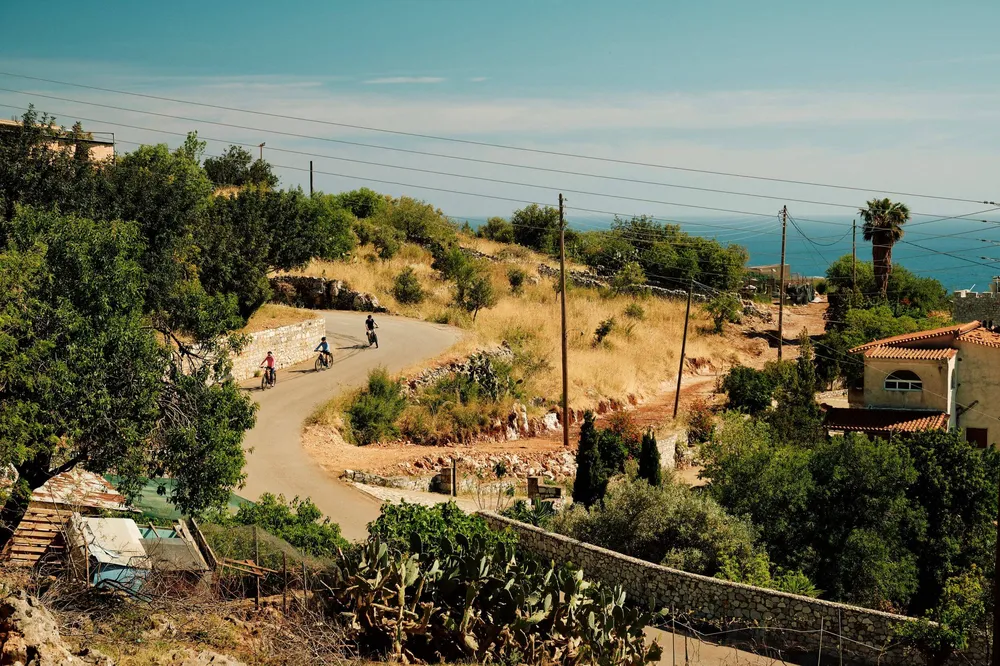
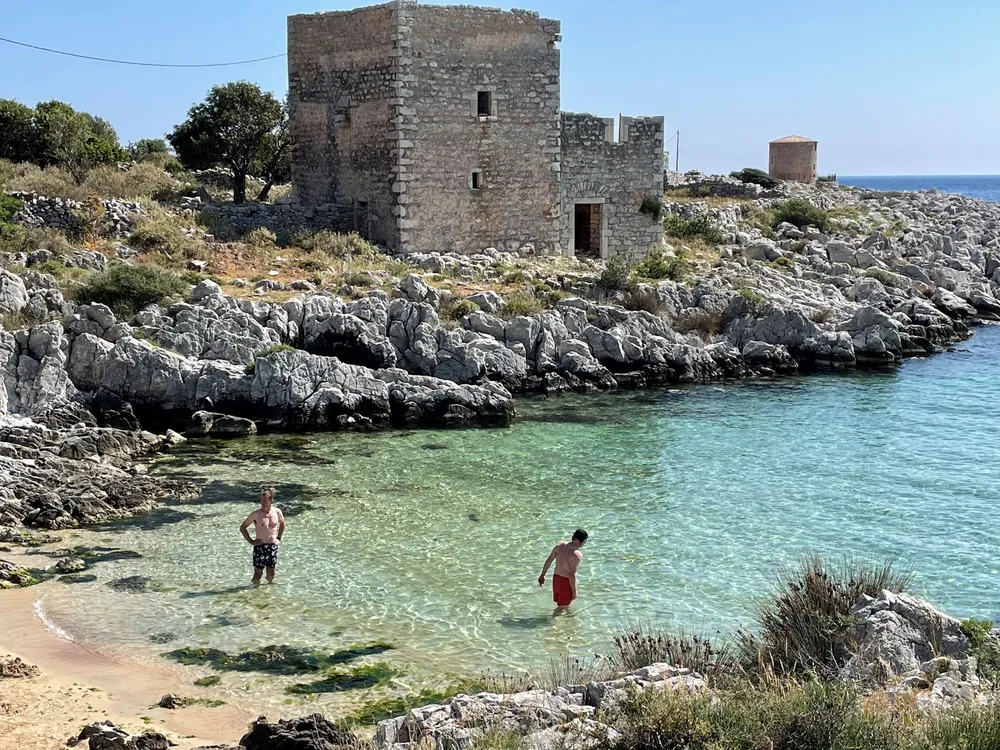
The most intimate and beloved things for me only appear when I slow down. The scent of herbs carried on the wind in the heat of a summer afternoon or after an early autumn rain. The special light that every season carries, the colour and the texture of the sea, from crystal clear and turquoise to thick, pastel-like colours that reflect the light in the most captivating ways.
The coastline here is obviously very striking and incredible at all times of year – but when is your favourite time to be on the peninsula, and where's your favourite place to go?
In early spring, the land blossoms with a thousand different colours and whole mountainsides are covered in sage pink or gorse yellow. In early autumn, the sunsets are unmatched and the sea has the perfect balance of warm, clear and calm. And winter is for the lucky ones with time to wait for the odd rainy day to pass so they can then enjoy the warmth of the sun on a beach that is theirs alone.
Can you share a little of your knowledge about the region's history, and what historical links we'll see around the peninsula on Slow Cyclist trips?
There are findings of prehistoric human presence in the area, but its recorded history becomes clearer in antiquity, when Mani was closely connected to the city-state of Sparta that ruled the wider region.
Its Byzantine heritage is still strongly visible today, especially in the churches, settlements and architecture that developed across the peninsula during the medieval period. Later, Mani’s isolation and difficult terrain helped its communities maintain a remarkable degree of autonomy during Ottoman rule.
This independent and loosely organised society played an important role in the outbreak of the 1821 Revolution against the Ottoman Empire, which eventually led to Greek independence and the establishment of the modern Greek state. The role that Mani played in the revolution is still strongly celebrated here and is evident everywhere we go on our trips.
Is there a food or drink from this region you think everyone who goes there should try?
The local cuisine is simple but rich in the purest ingredients. The hand-harvested local sea salt, the wild greens and the exceptional local olive oil are some of the ingredients that define the tastes here and that shine through even the most minimalist dishes.
If nothing else, what do you hope guests who visit the Mani take away with them?
The sense of alignment of humans with the landscape. Back then it was done by necessity; today it is a choice that is ours to make.
A huge thank you to Vagelis for taking the time to share his experience and knowledge about this remarkable and little-known region of Greece. If you're keen to know more, take a look at our blogs on The History of the Mani Peninsula or our guide to the Best Books on the Mani Peninsula.
Ready to slow down and experience the untamed beauty of the Mani for yourself? Join Vagelis and The Slow Cyclist to explore hidden coves, historic stone villages and rugged mountain trails at your own pace with a scheduled trip or a private journey.