South Africa FAQS - Everything You Need to Know About Cycling in the Karoo
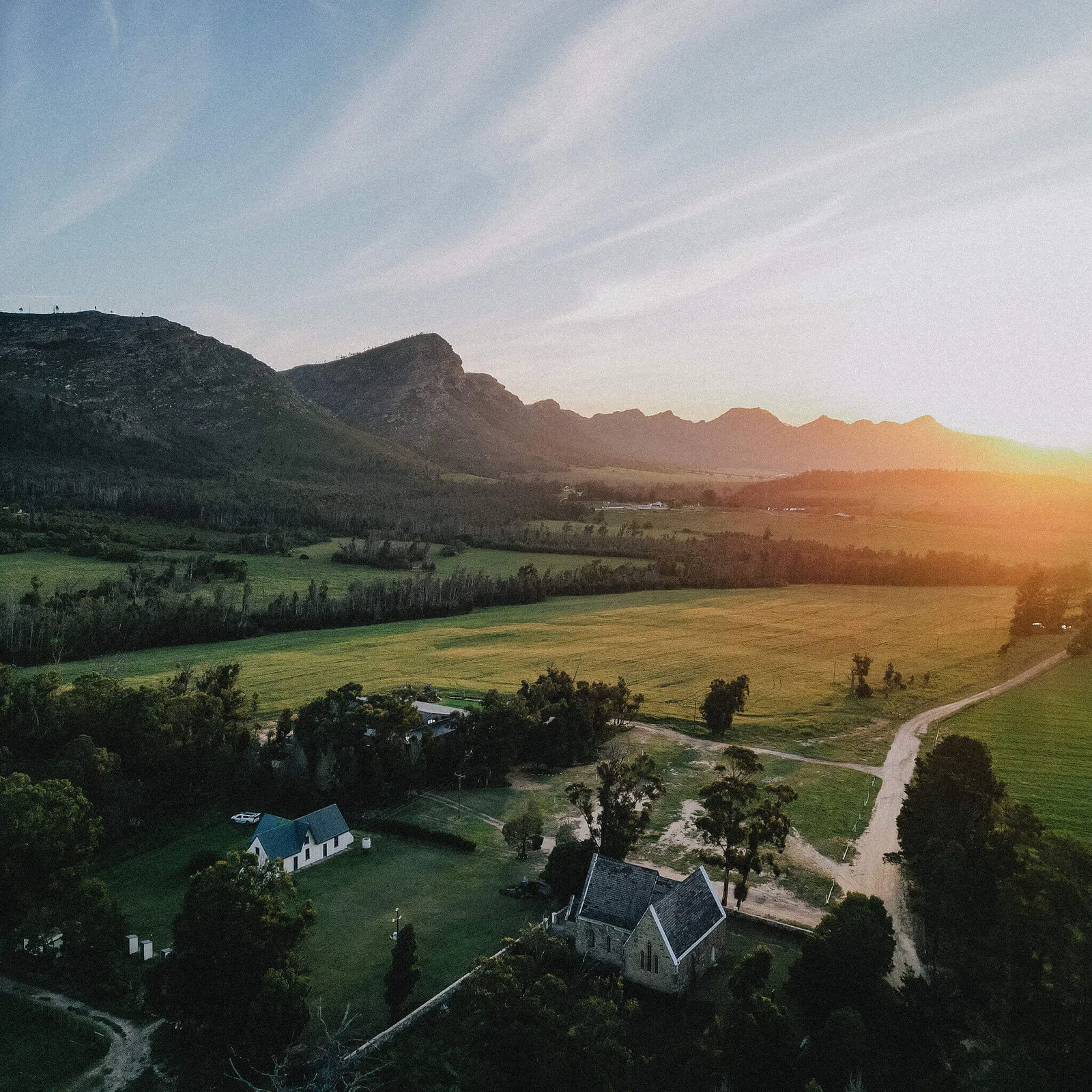
The Slow Cyclist's cycling holidays to South Africa feature some of our most luxurious accommodation. It is a trip of incredibly varied landscapes, taking you from arid desert through rugged mountains to the coast, and it boasts some of the most unique wildlife, including the world's oldest ostrich farms. It is also one of the destinations we get asked questions about the most.
Whether you have queries about how to get to South Africa or the practicalities of travelling in Africa, we know how useful it is to share the knowledge we've gathered over our years of working there. We are also incredibly lucky to work with fantastic local guides and hosts who regularly share their own insider tips with us.
So, we've put together a short FAQ guide covering the questions we are asked most often about cycling South Africa's Klein Karoo. From visas and flights to wildlife, rock art, and what's for lunch each day, here are the answers.

FAQs - Before You Travel To South Africa
Do I need a visa to go to South Africa?
No. British passport holders can currently enter South Africa without a visa for tourism stays of up to 90 days. You will need a passport valid for at least 30 days beyond your return date, with two blank pages, and proof of onward travel. Entry requirements can change, so it is worth double-checking the latest guidance closer to your departure date.
What are the flight options to South Africa from the UK?
British Airways and Virgin Atlantic both fly direct from London Heathrow to Cape Town, a journey of around eleven hours. From there, a short onward flight takes you to George, where your Karoo to Coast journey begins.
What's the best time of year to travel to South Africa?
We run our South Africa cycling holidays from January to May and August to November, avoiding the coldest weeks of the South African winter, when the mountain passes are at their least forgiving.
What should I pack for travelling in South Africa?
Days in the Karoo are often warm, but the temperature drops fast once the sun goes down, especially when you're standing under one of the clearest skies in the Southern Hemisphere. Bring layers, including a warm layer for the evenings, and something for your head and hands.
Can I extend the trip with a safari or a stay in Cape Town?
Yes. Many guests add a few days in Cape Town before or after, or combine the Karoo with a safari elsewhere in South Africa. Get in touch and we'll help you build something around it.
FAQs- Cycling in South Africa
How difficult is the cycling? What's the activity level?
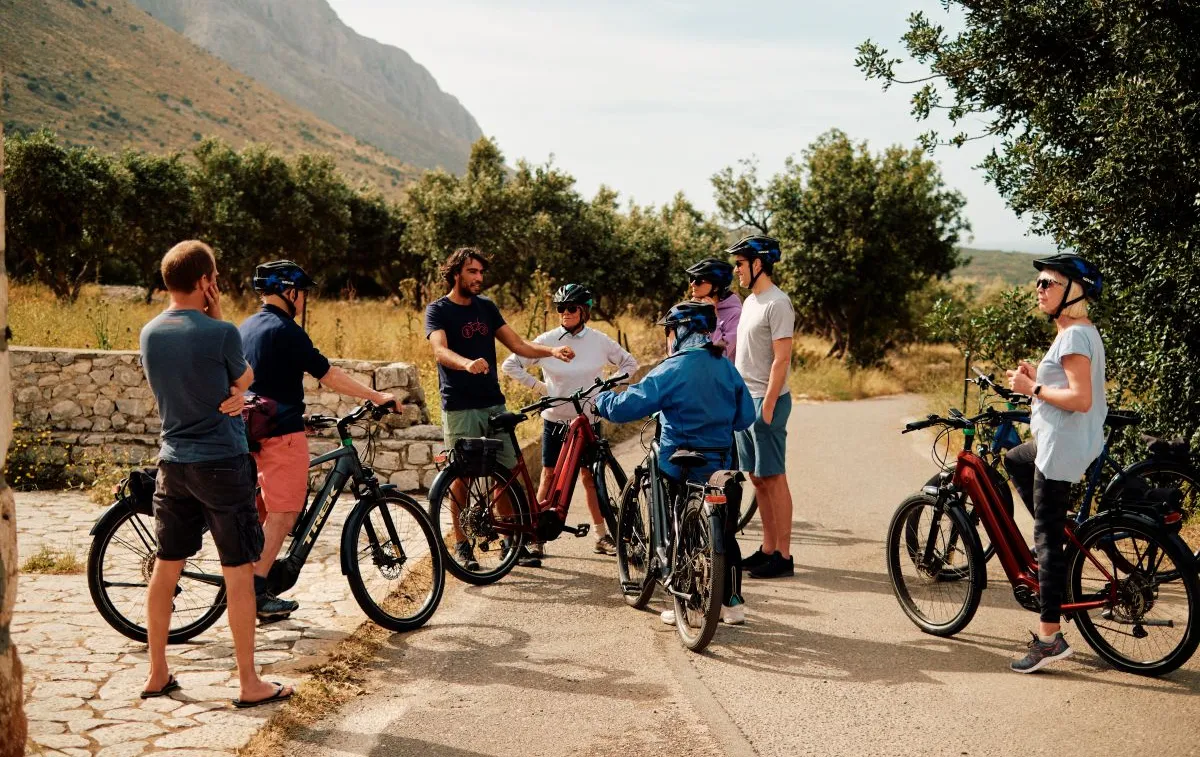
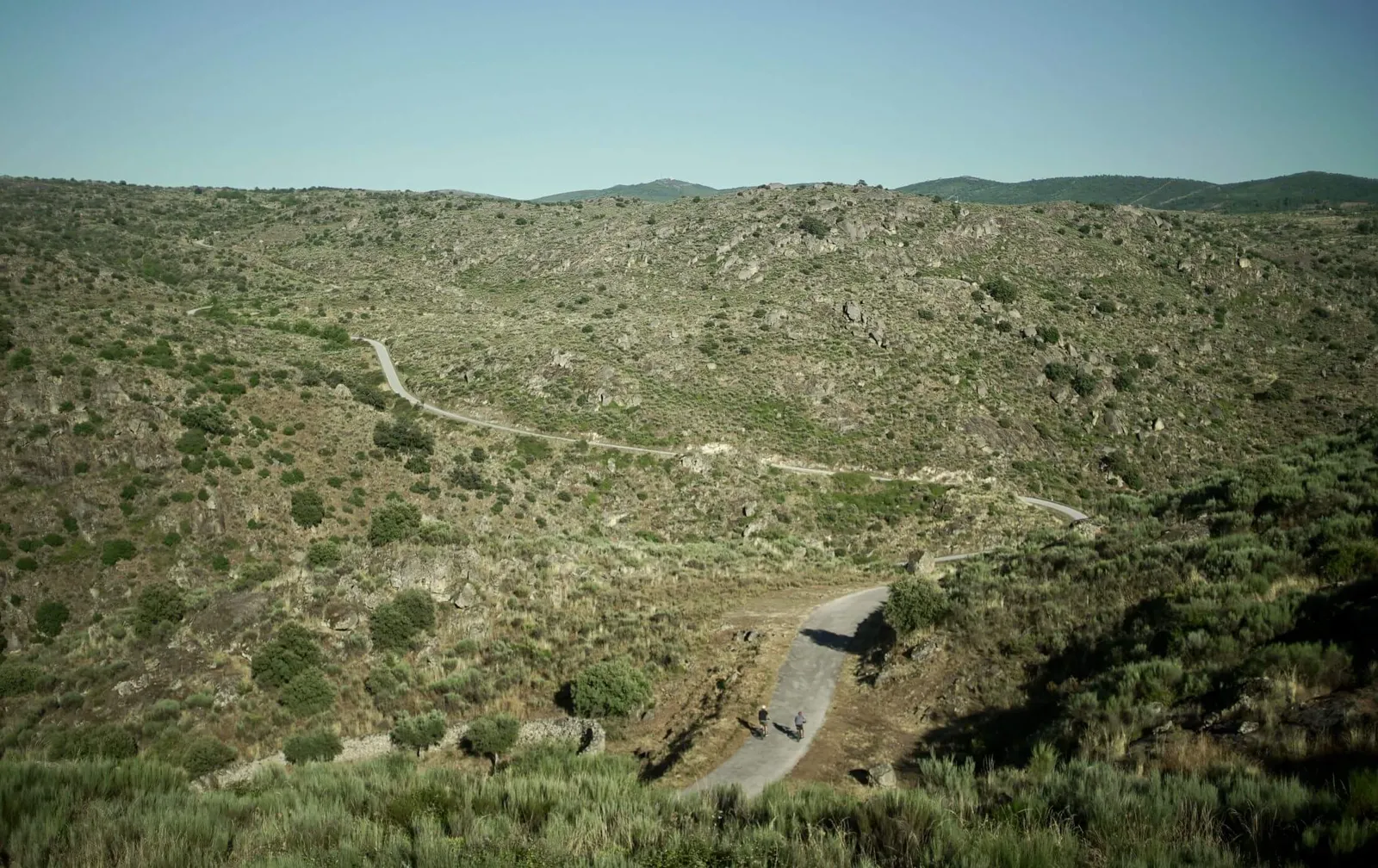
This is an Activity Level 3 out of 5 journey, by e-bike and on foot. Full cycling days run 40 to 65km, mostly on gravel farm roads with some tarmac, and there are a few steep ascents and descents. Walks are just over an hour, not technical, but expect some uneven ground underfoot.
Do I need to be an experienced cyclist?
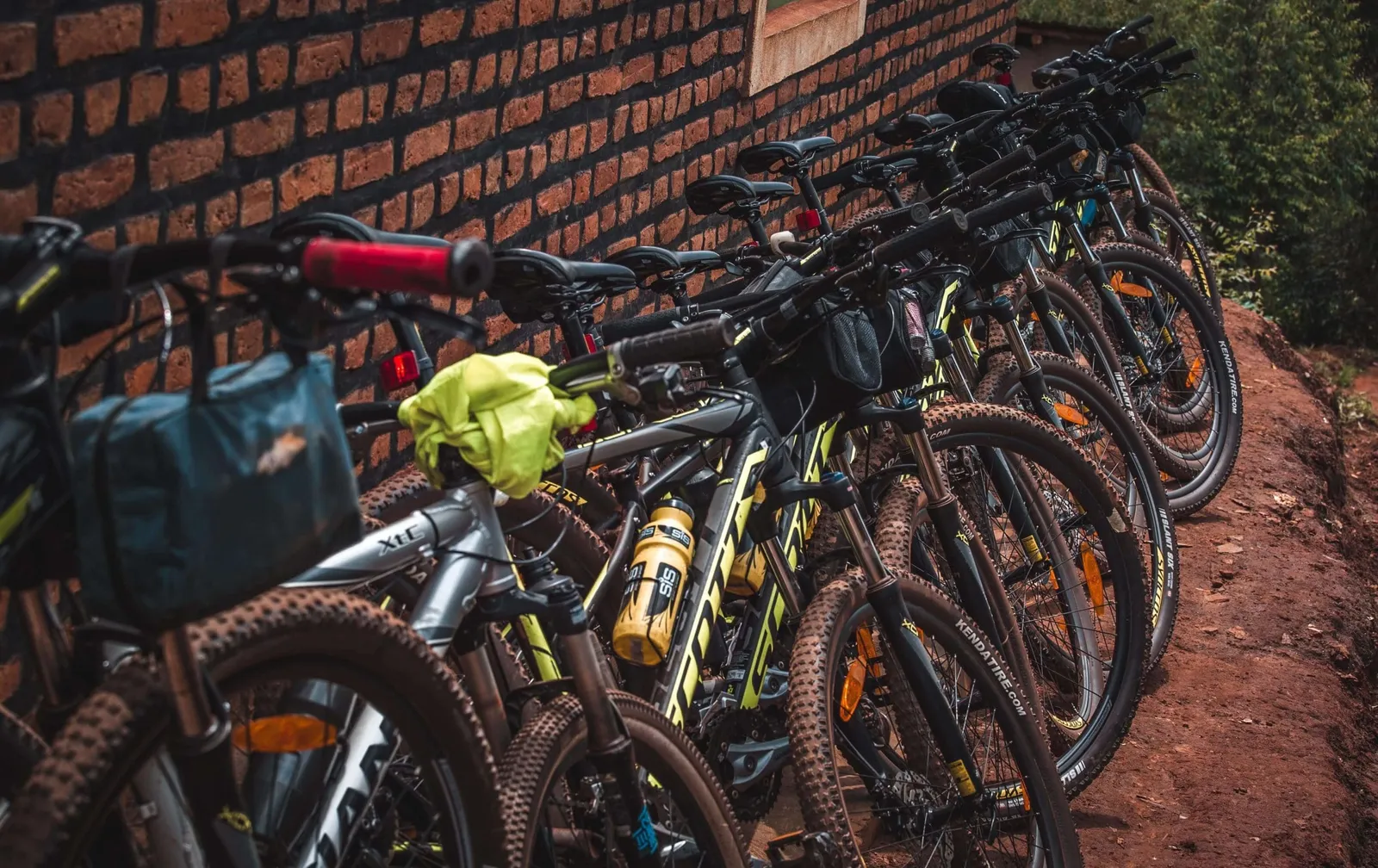
No. Most of our guests wouldn't call themselves cyclists. That said, South Africa is one of a handful of our destinations with sections of dirt road that call for good balance and a degree of confidence. The e-bike does most of the hard work, and a support vehicle is always available if you'd rather sit a section out.
Is it safe to cycle in this part of South Africa?
Yes. The roads we ride have little to no traffic; there are whole days on this journey when you won't see another vehicle. You'll have a dedicated Slow Cyclist host with you throughout, alongside Jaco and Katja, our local guides, who know this route better than anyone.
How many guests travel on a scheduled departure?
We like to keep groups small, so there will be a maximum of 12 Slow Cyclists, alongside your host and local guides.
FAQs - Travelling The Karoo
What wildlife might we see?
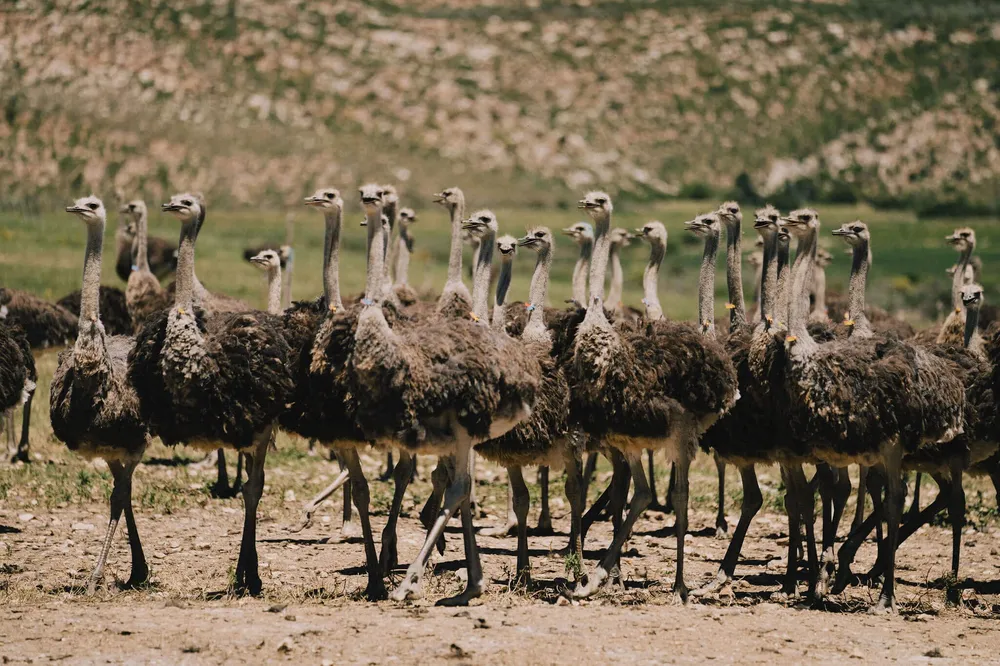
Ostriches, springbok and the odd baboon are all part of daily life on this route, alongside a wide range of birdlife. You should also keep an eye out for fynbos, the distinctive flowering vegetation found nowhere else on earth.
What is the San rock art?
The Karoo has been home to the San, one of southern Africa's oldest indigenous peoples, for thousands of years. Their rock art, some of it around 2,000 years old, records a spiritual world rather than simply decorating a rock face; the eland, the region's largest antelope, appears again and again as a figure of particular significance. On this journey, we walk to see some of it for ourselves.
What's the food like in the Karoo?
Home-cooked and locally sourced, from lunch in the bush to a shaded veranda lunch at an old school house and dinner at one of the oldest homesteads in the Karoo. All meals, drinks and snacks are included, so there's nothing to think about beyond deciding what to have.
What's included in the price?
Pretty much everything from the moment you land. That's your electric mountain bike, a dedicated Slow Cyclist host, two local guides, all transfers and luggage transport, accommodation, food and drinks, and every activity and cultural visit along the way, from the San rock art to a local community project.
Got a question we haven't covered? Get in touch and we'll talk you through it or find out more about the Karoo to Coast journey.