Crete FAQs: Everything You Need to Know About Cycling in Crete
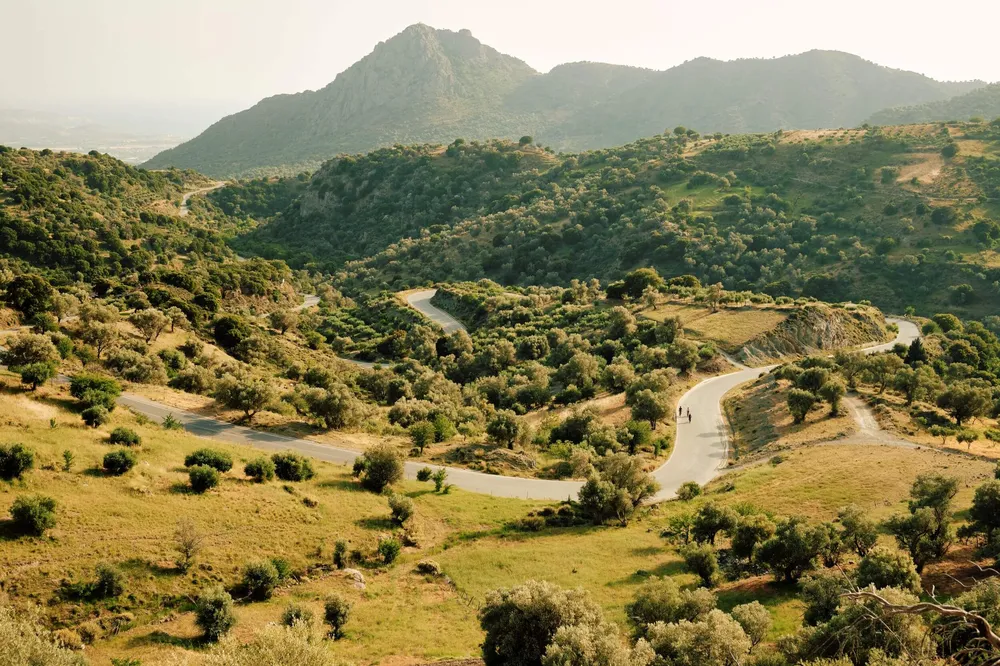
Our Crete journey, through the Cretan Heartlands, takes small groups by e-bike and on foot from the Amari valley to the Libyan Sea, through mountain villages, olive groves and the Asterousia mountains. It is the island's interior rather than its famous beaches, a secret heartland very rarely explored and it is a trip we get a lot of questions about.
So we've put together a short guide to answer the questions we hear most often, from flights and visas to the farmhouse with no electric lights. If your questions aren't answered, please get in touch and we'd be happy to talk you through it.
FAQs: Before You Travel to Crete
Do I need a visa to go to Greece?
Not if you hold a British passport. UK passport holders can visit Greece for tourism for up to 90 days in any 180-day period without a visa. Your passport should have been issued within the last 10 years and be valid for at least three months after you leave. The EU is also introducing an online travel authorisation, ETIAS, for visa-free visitors, and entry rules can change, so check the latest guidance on gov.uk closer to your departure date. Other nationalities should check the requirements for their own passport.
Which airport do I fly into?
Heraklion. We usually recommend an EasyJet flight from London Gatwick. We meet the group at the airport at around 1pm on day 1 and drop off at around 12pm on day 6. The transfer to Thronos in the Amari valley takes about 1.5 hours, and the return transfer is the same. Flights are not included in the price.
Can I arrive early or stay on afterwards?
Yes. If you would like to arrive earlier or leave later than the group transfers, we can arrange alternative transport at an additional cost. Just let us know when you book.
When is the best time to go?
We host guests from late March to early June, then in September and October. Summer is too hot for cycling. In April, May and October temperatures are usually between 20 and 25 degrees, and early June and September are a little warmer, with a few degrees less in the evenings. From late March to mid-April the island can still see the last of the winter rain and the sea is not yet warm. Rain is rare after mid-April. Wildflowers usually peak in April and early May. Our 2027 departures are 4 May and 5 September.
What should I pack?
Well before you travel we send an online travel guide with a suggested packing list and a reading list. The essentials are walking boots for the hikes, swimwear for the sea and a warm layer for the evenings. Your helmet is provided, and wearing it while cycling is compulsory.
Does the price include travel insurance?
No. Flights, travel insurance, personal costs and tips are not included, so you will need to arrange your own cover. Check that your policy includes cycling.
FAQs: Cycling and Walking
Can I make it harder?
Yes. The trip can be raised to a level 3, with longer off-road sections, if you would like more of a challenge. Let us know when you enquire.
Do I need to be an experienced cyclist?
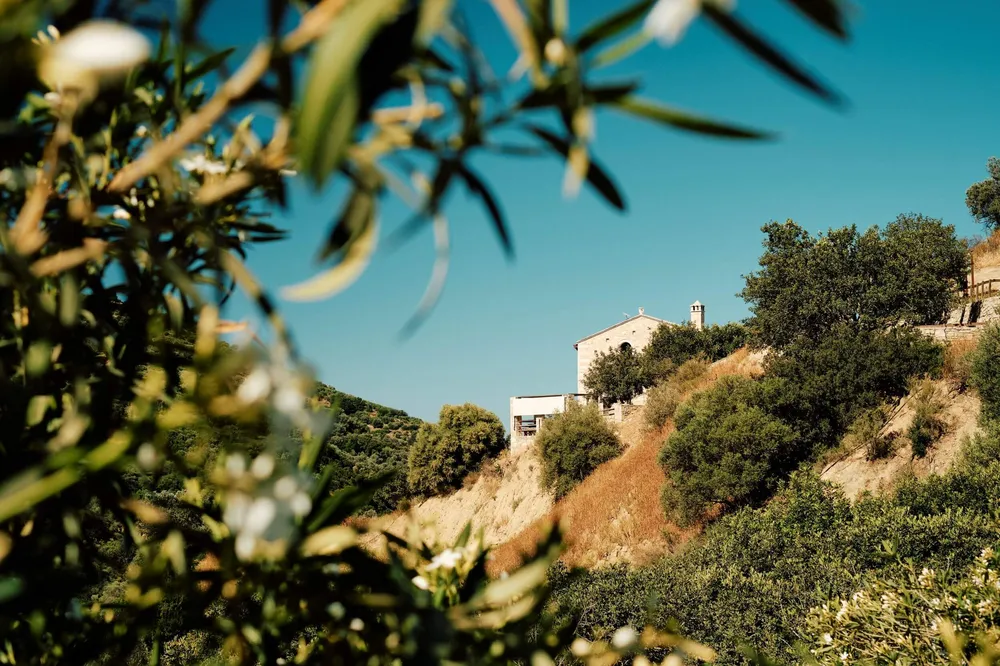
No. Most of our guests would not describe themselves as cyclists. You ride an electric mountain bike and are given a short lesson before we set off. A guide rides at the front and another at the back, so nobody gets left behind, and a support vehicle is on hand (although never too close) if you would like a lift.
How hard is the walking?
Each hike takes between two and three hours. There are some steep climbs and long descents that can be hard on the knees, so you will need a moderate level of fitness. We take things slowly and there is always someone walking at your pace. You can find out more about Activity Levels here.
What is the farmhouse like?
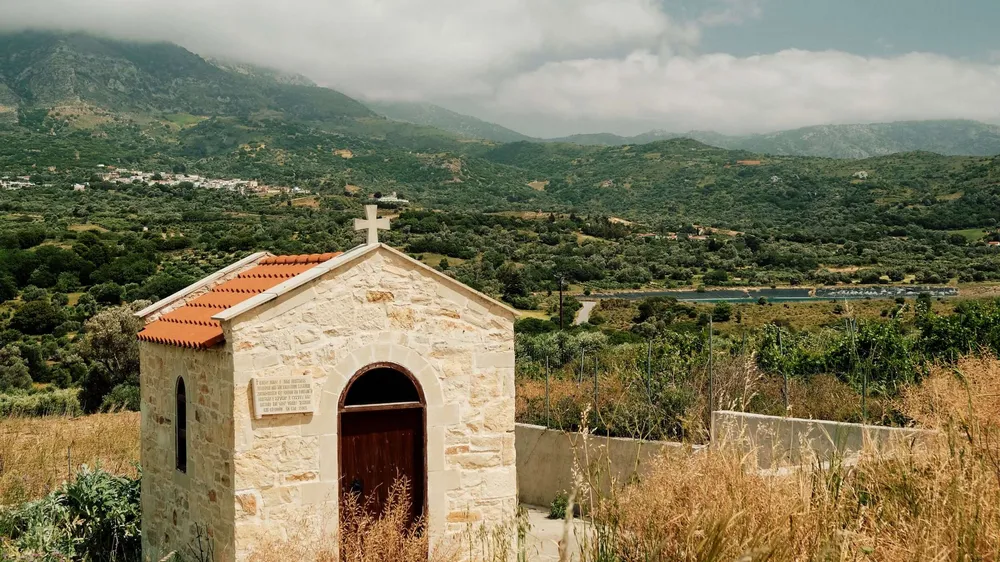
We spend two nights at a farmhouse near Zaros, restored to reflect traditional Cretan living. It is back to basics, with limited electricity and no electric lights, only candlelight. Hot water is available for bucket-style showers, and bathrooms are a mix of en-suite, separate private and open plan. Most guests enjoy it, but it helps to know what to expect before you book! As electricity is limited, arrive with your phone and camera charged and consider bringing a power bank.
What's the food like?
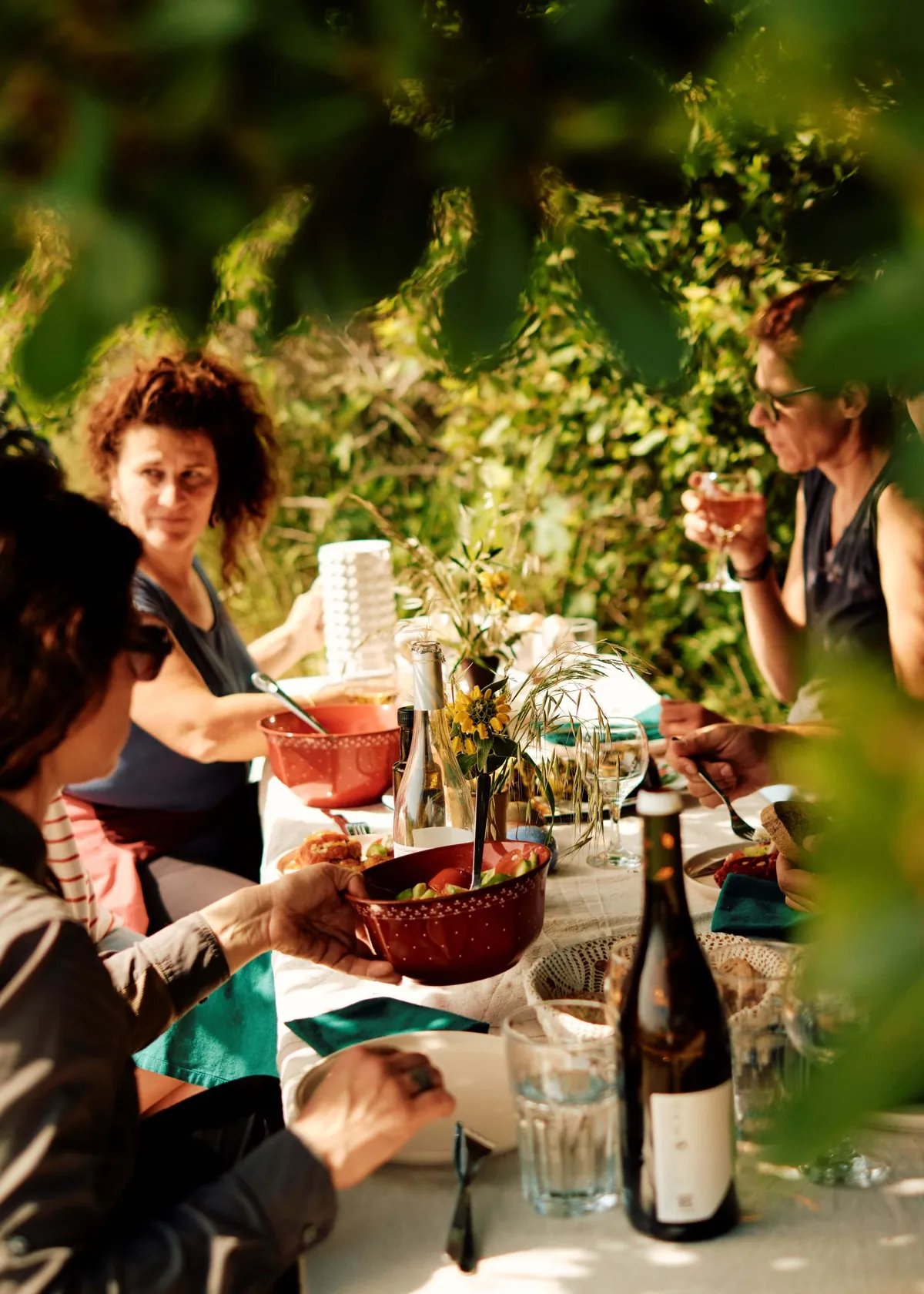
Mostly mountain food, rather than seafood: slow-cooked lamb and goat from local farmers, with vegetables from the gardens where you eat. Cretan cooking blends Greek and Turkish influences. We provide fruit and snacks during the day, and don't be surprised if dinner ends with a shot of raki. Allergies and dietary requirements are noted at the time of booking, so please tell us when you book, particularly if you do not eat meat.
What if the truffle hunt isn't possible?
Truffle hunting depends on the season. If it isn't possible, Nikos, who runs the hunt, turns his enthusiasm to his other passion, bees, and you still get to enjoy lunch with him and his daughter.
Can I swim?
Yes. On day 5 we hike to the monastery of Koudoumas, which sits on the shoreline, and swim in the sea after a picnic lunch. You can also swim at the guest house at Kapetaniana, where we stay on day 4, which has an incredible infinity pool with views out to the sea.
Is it suitable for solo travellers?
Yes. Our scheduled journeys are set-date departures for up to 12 guests, looked after by a Slow Cyclist host and two local guides. Prices are based on two people sharing a room, and there is a single supplement of £460 if you would like your own. Our solo travel page has more.
What's included in the price?
The scheduled journeys cost from £3,545 per person for five nights, based on two sharing. That covers your electric bike and helmet, a Slow Cyclist host and two English-speaking local guides, group airport transfers, luggage transfers and the support vehicle, all accommodation, meals, snacks and drinks, all activities and a donation to a cause aligned with our values. Flights, insurance, personal costs and tips (optional, of course) are not included. Private journeys start from £3,245 per person, based on 12 guests.
How do I book, and is my money protected?
We take a 30% non-refundable deposit when you book, with the balance due 10 weeks before departure. Your booking is financially protected through Trust My Travel, and a member of our Guest Services team will contact you within two working days to help with your preparations.

Further reading:
Interested in knowing more about Crete or the journey there? Read the blogs below that offer more info, from the history to the food of the region to the best books to read before you travel.
Got a question we haven't covered? Get in touch and we'll help you find the right dates, or head to our Crete trip page for the full itinerary. Or take a look at our our two other Greek destinations Zagori and the Mani Peninsula.

Latest Stories
Read all stories-
Zagori FAQs: Everything You Need to Know About Cycling in Zagori
-
Mani FAQs: Everything You Need to Know About Cycling in the Mani
-

Taurus Mountains FAQs: Everything You Need to Know About Cycling in Turkey
-
Watch: Our Taurus Mountains Webinar with Oli Broom
-
Vangelis: Slow Cyclist Guide in The Mani Peninsula, Greece
-
South Africa FAQS - Everything You Need to Know About Cycling in the Karoo