The Myths and Legends of Crete
Crete has long been a popular travel destination, and with its sandy beaches and azure coves, it is easy to see why it draws a crowd every summer. However, the island’s appeal goes beyond its coastline to its people and its stories. Crete's complex history spans millennia, originally home of the Minoans, widely regarded as Europe’s first civilization, before passing through the hands of the Byzantine Empire and eventually becoming a modern Greek territory. This history is inextricably linked with Greek mythology. The island’s landscape serves as the backdrop for some of Greece's greatest myths and legends, from the heights of Mount Psiloritis to the caves where, according to legend, the god Zeus was born and hidden from his father, Cronus. On Crete, the line between historical fact and ancient myth blurs, creating a unique culture that remains alive today.
Mount Psiloritis - Birthplace of Zeus
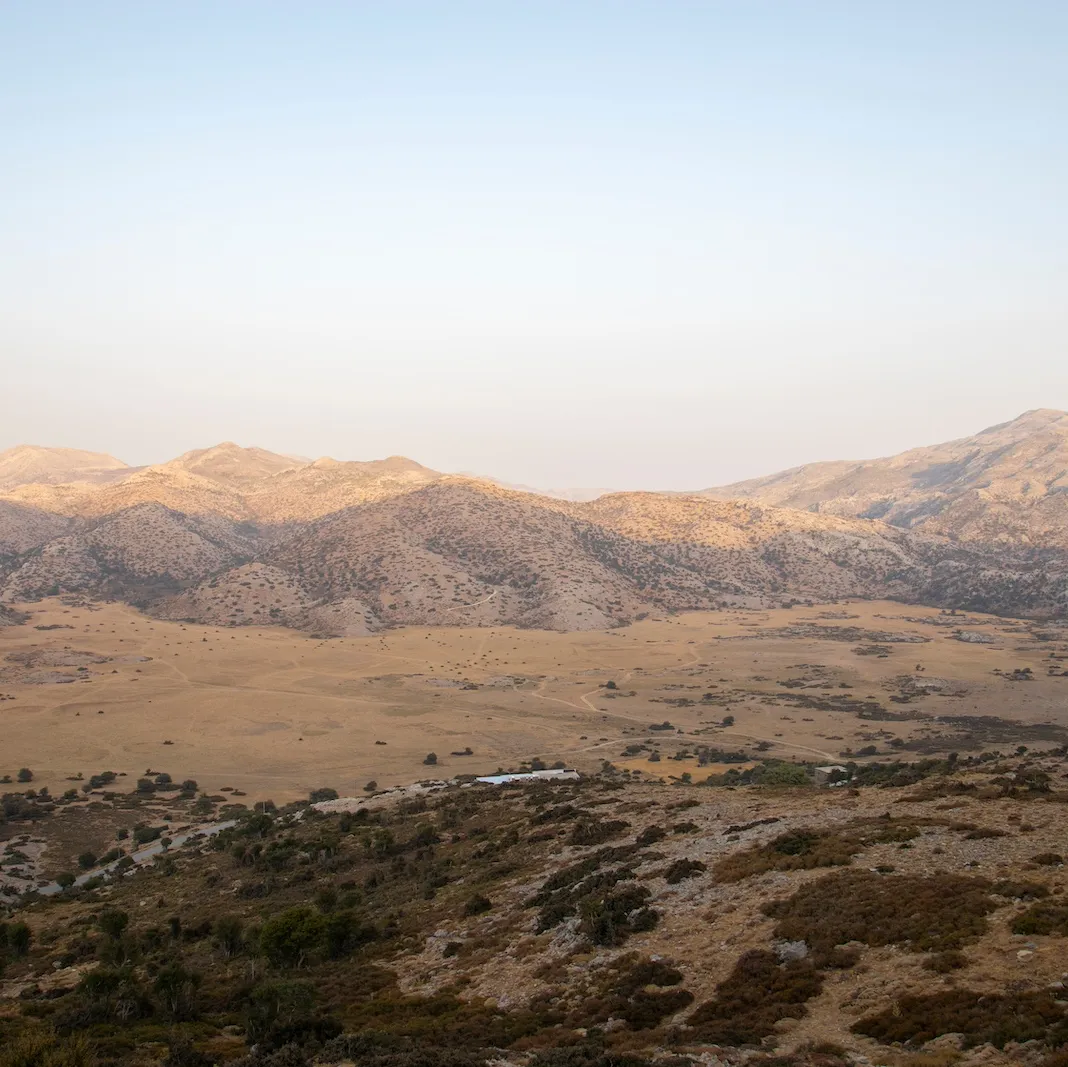
Mount Psiloritis, also known as Mount Ida, is the island's highest peak. In Greek mythology, it is most famous as the birthplace of Zeus. According to the myth, his mother Rhea hid the infant god in the Ideon Cave on the mountain's slopes to protect him from his father, Cronus, who wanted to swallow him. The legends suggest that the Curetes, mythical Cretan warriors, clashed their shields and shouted to drown out the baby's cries, ensuring he remained undiscovered.
Psiloritis is also linked to the Dactyls, ancient chthonic deities who were said to have discovered iron smelting and invented music. These figures were said to live within the mountain’s peaks. Today, the mountain remains a significant landmark where modern and mythological Crete meet.
Crete, King Minos and the Minotaur
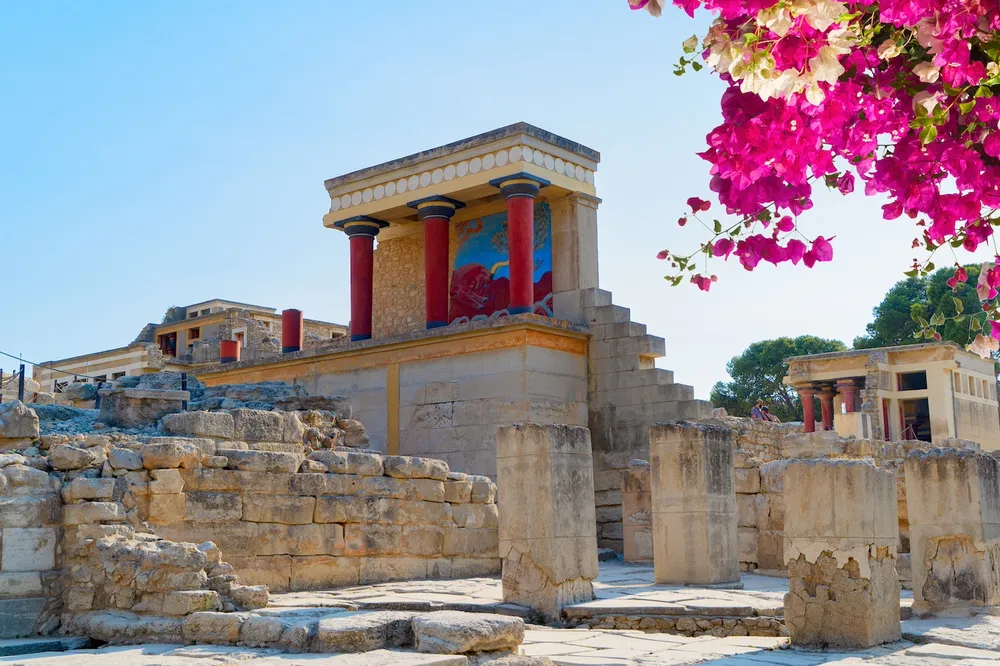
Crete is the setting for many of the legends of King Minos. According to myth, Minos was the son of Zeus and Europa, the Phoenician princess whom Zeus abducted and brought to the island in the form of a white bull. This bull motif appears often in Cretan mythology, most famously in the tale of the Minotaur - a half-man, half-bull confined within the Labyrinth at Knossos, now a ruin near Heraklion. The hero Theseus eventually navigated this maze and defeated the minotaur, aided by Ariadne, the daughter of Minos, who provided him with a ball of thread to find his way back out.
Crete and Icarus
The island’s myths also include that of Daedalus, the master craftsman who designed the Labyrinth and escaped imprisonment on Crete by creating wings of wax and feathers for himself and his son, Icarus, who famously fell into the sea after flying too close to the sun. Crete was also said to be protected by Talos, a giant bronze automaton often described as the first robot in history, who patrolled the coastline and hurled boulders at approaching ships.
Archaeological Sites of Crete
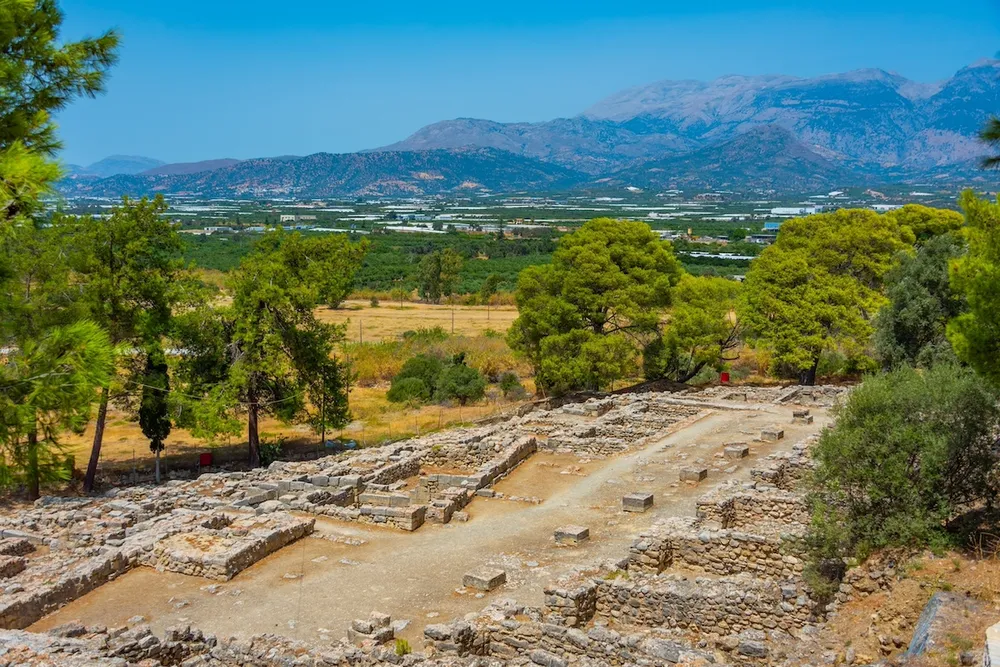
The archaeological sites of Crete serve as a physical map of its myths. Agia Triada provides a glimpse into the life of the Minoans, but it is also linked to Phaistos, the seat of King Rhadamanthus, the brother of Greek king Minos, known for his legendary sense of justice. To the north, close to Heraklion, the palace of Knossos remains the most significant site, traditionally identified as the location of the Labyrinth built to house the Minotaur. Further east, the palace at Malia is said to have been ruled by Sarpedon, another son of Zeus and Europa. Together, these sites reveal a civilisation where grand architecture and ancient civilisations were built upon a foundation of divine lineage and ancient legend.
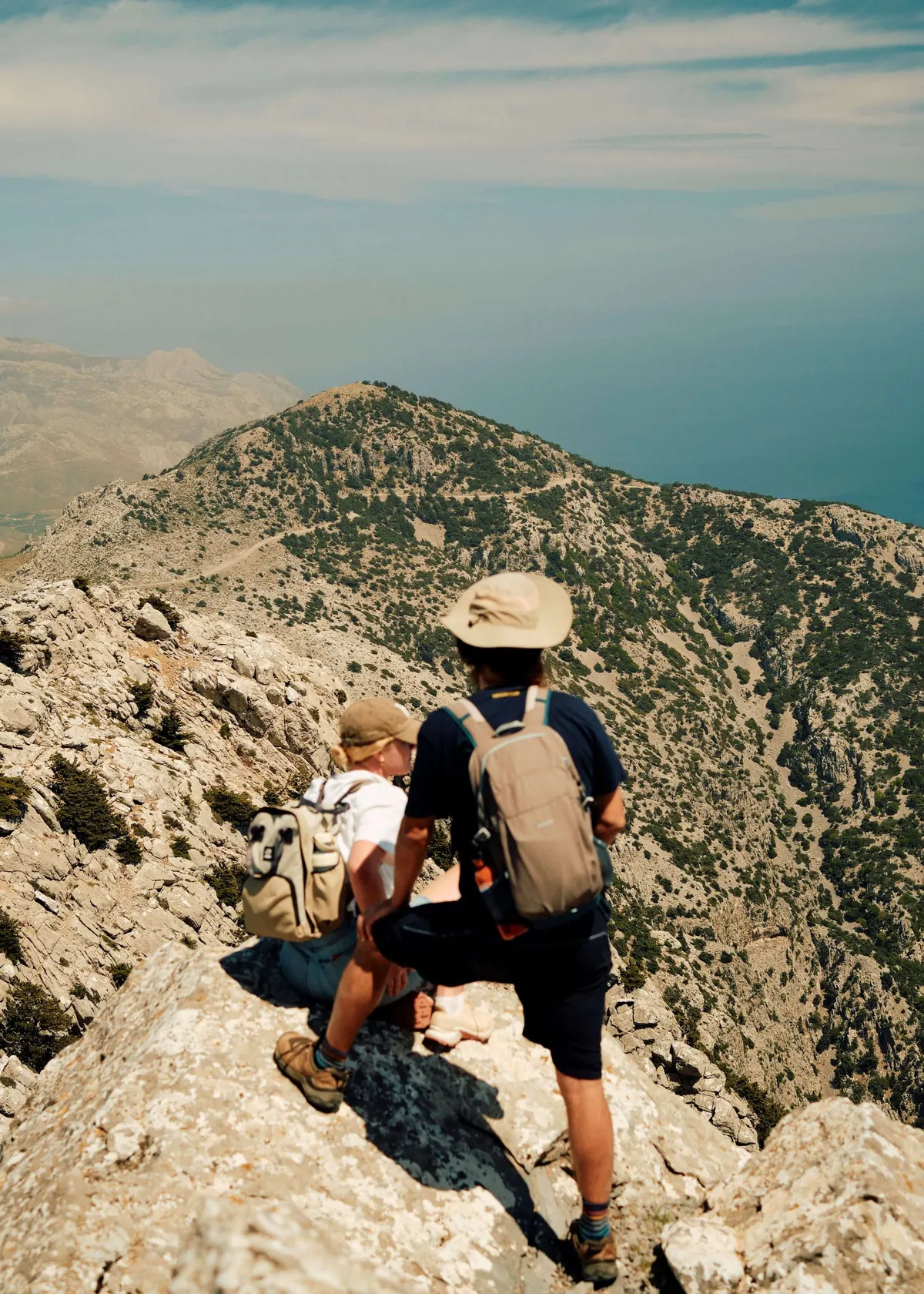
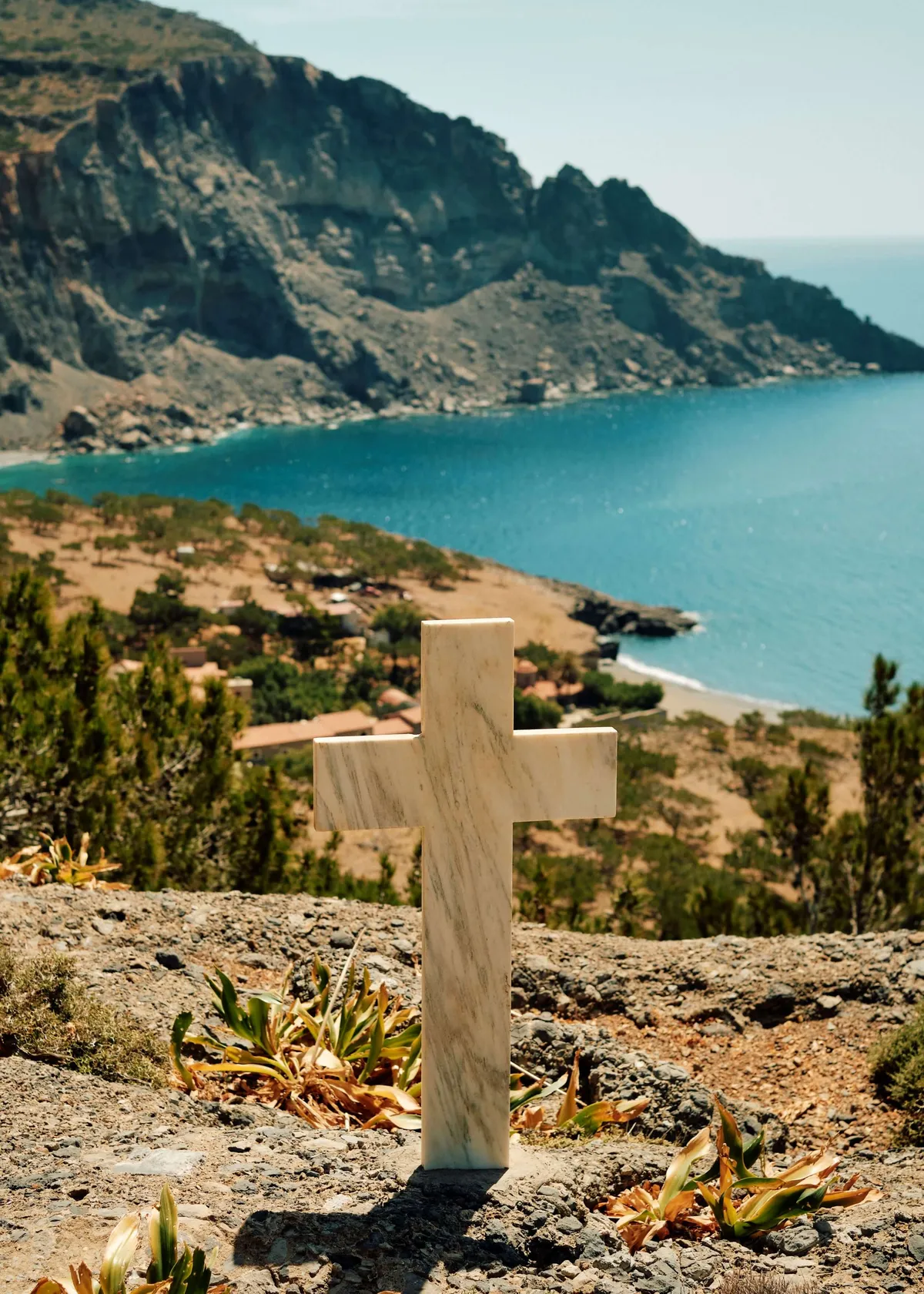
These myths have become integrated into modern Cretan identity. While the bronze giant Talos no longer patrols the shores, it can be felt in the islanders' reputation for fierce independence and hospitality, known as philoxenia. Crete is an island where the past is never truly buried. Whether you are standing in the silent ruins of a mountain peak sanctuary, eating food cooked with long-standing island traditions or watching the sunset over the Libyan Sea, the presence of these ancient stories remains.
Ready to experience these legends for yourself? Join us on our upcoming Journey to the Cretan Heartlands. From the heights of Psiloritis to the quiet coves, we’ll move beyond the beaches to uncover the authentic Crete.
Latest Stories
Read all stories-
Vangelis: Slow Cyclist Guide in The Mani Peninsula, Greece
-
South Africa FAQS - Everything You Need to Know About Cycling in the Karoo
-
Watch: Our Karoo Webinar with Jaco and Katja
-
The Best Books Written by Adventurers and Explorers
-
The Quiet Case for the E-Bike
-
Europe by Train: The Best Way to Reach a Slow Cyclist Trip