Aggelos: Forager, Truffle Hunter and Guide in Zagori, Greece
Aggelos grew up in the Epirus region of north-western Greece, in and around the 46 stone villages of Zagori. He studied pharmaceutics at university, then came home to his town of Konitsa, on the northern edge of Zagori, and began working as a hiking guide while developing his expertise in foraging and the forest. Today, alongside guiding for The Slow Cyclist, Aggelos hunts truffles in the forests of Zagori and leads guests through the landscape and culture of one of Greece's least-visited corners. He knows the paths, the plants, the local producers and the stories behind the villages in a way that takes years to accumulate.
Zagori is still largely unknown to most travellers. How would you describe it to someone who has never heard of it?
Zagori feels like a different version of Greece from the one most people imagine. There are no islands, no villages with white houses, no dry landscapes. Instead, you find charm in the mountains, deep forests, rivers, stone villages, and an incredible sense of peace and quiet, with just the right amount of visitors and local providers so it never feels completely wild, but also never overwhelmed by crowds.
You grew up here, so you know it best. What do you think visitors often miss when travelling here?
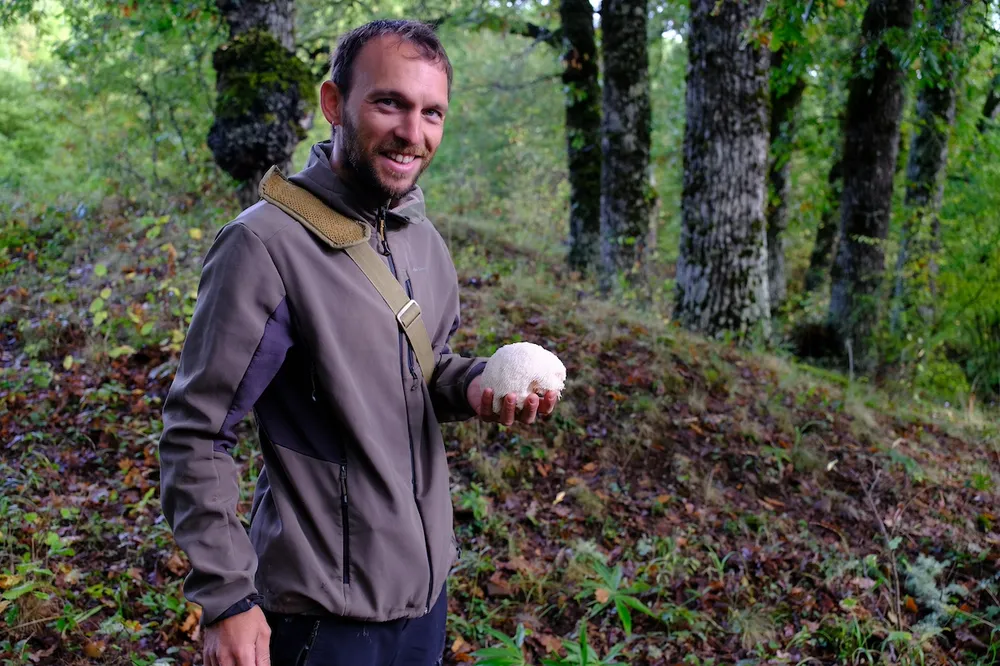
Many visitors focus on the major landmarks like the gorge, the bridges, and the famous viewpoints and they should, as they are absolutely breathtaking. But Zagori is so much more than its postcard sights.
It’s about connecting with locals and experiencing their way of life. It’s spending a quiet afternoon by the river, embracing mindful moments in nature instead of rushing to the next destination. It's the warmth of a fireplace in the winter, and the magic of watching a village square come alive during a traditional panigiri, where people reunite after years apart.
Ultimately, visitors often miss how deeply connected everything is here: the architecture, the forests, the geology, the food, and the ancient stone paths. There is so much to learn, especially when the stories are shared by someone who has lived them.
Tell us about truffle hunting. Where do you look, what do you use, and what does a good day in the forest look like?
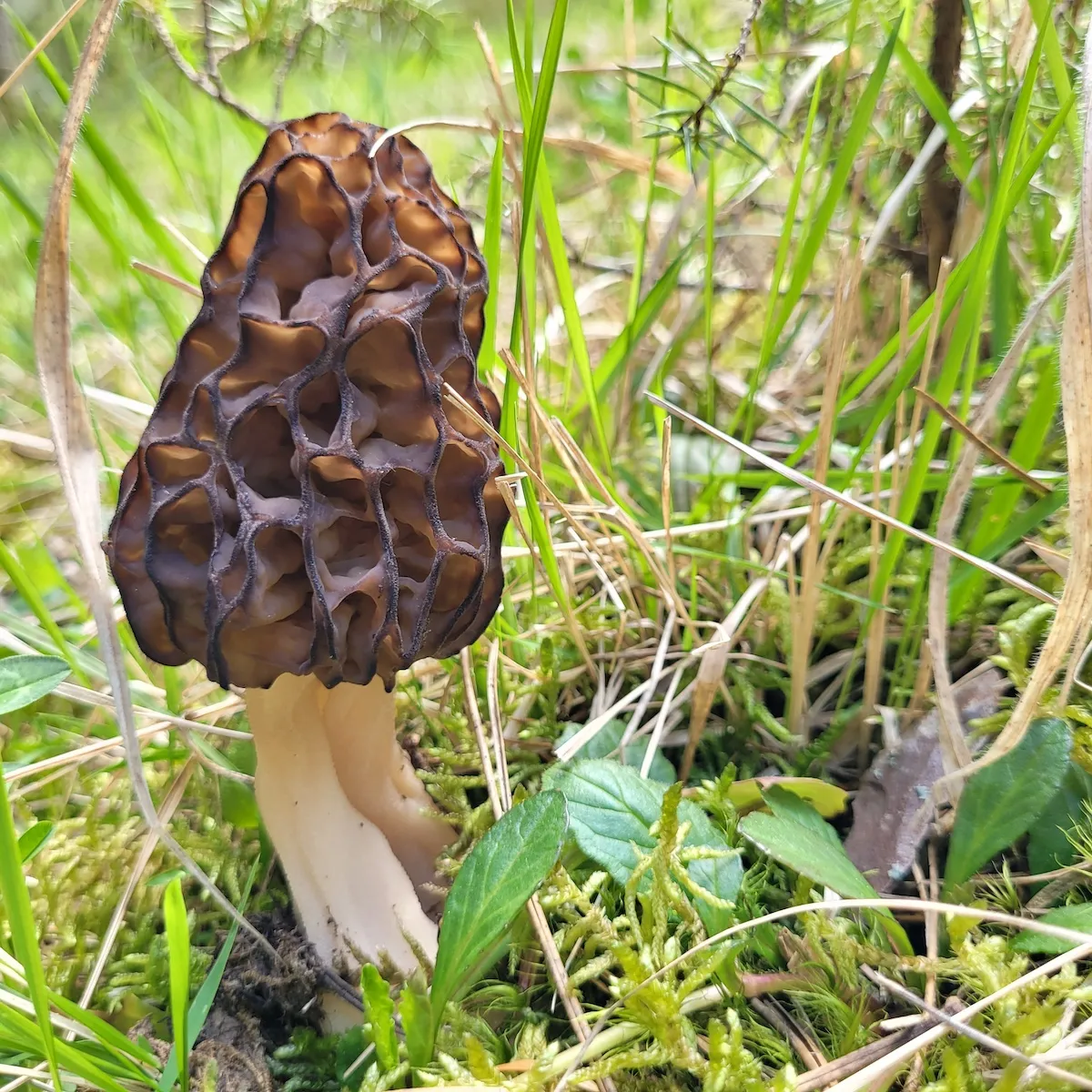
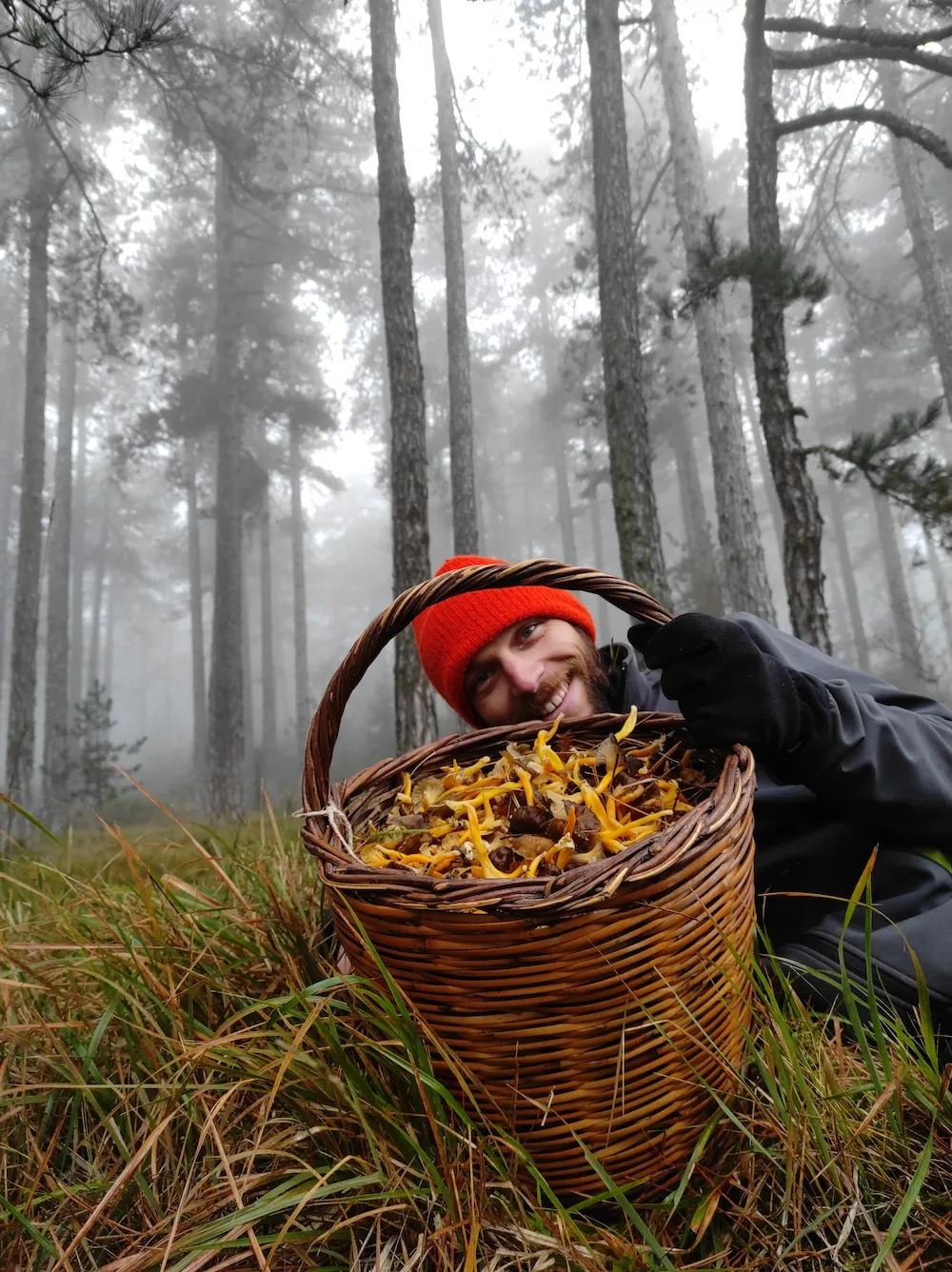
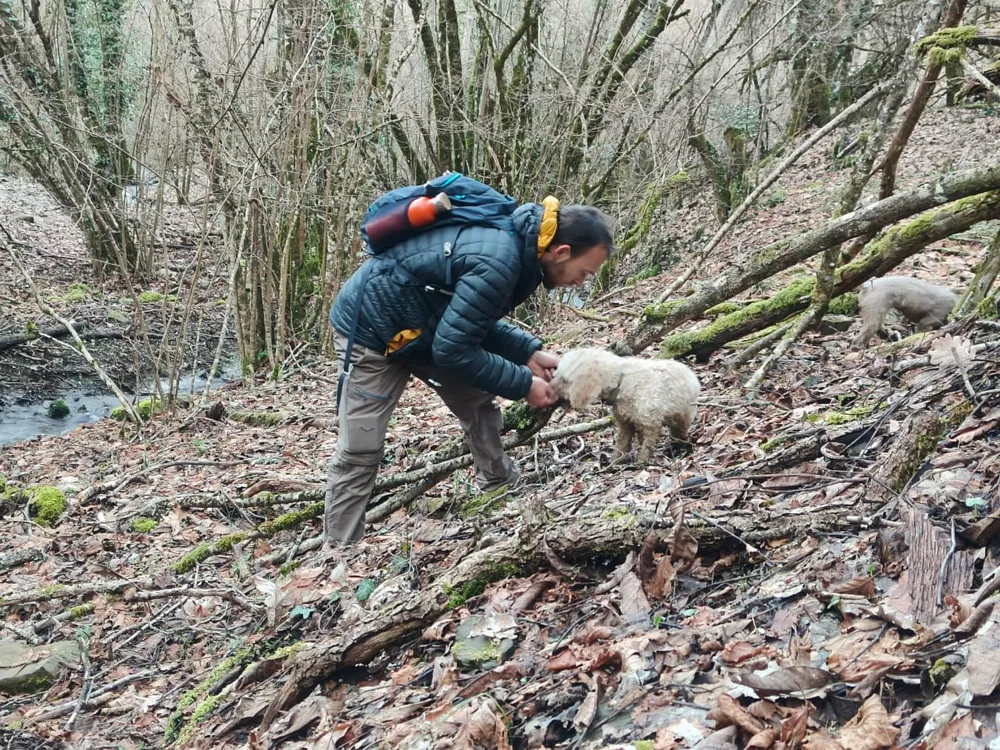
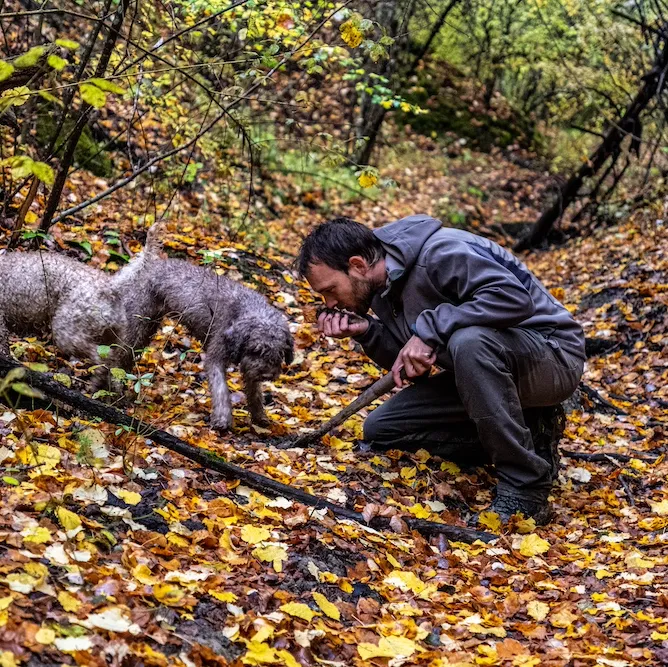
Truffle hunting is something I could talk about for hours! Most of the time, I see it as an adventure shared with my dogs. Every outing strengthens our bond and creates lasting memories; I am incredibly grateful to these four-legged little "monsters" and owe them a great deal.
There are moments I will never forget, like finding our very first truffles. But it's also created a new way of communicating between us that others don't understand, and it develops a deeper connection with the forest itself. You learn to read the environment - the vegetation, geology, and microclimate - to judge whether a spot is right.
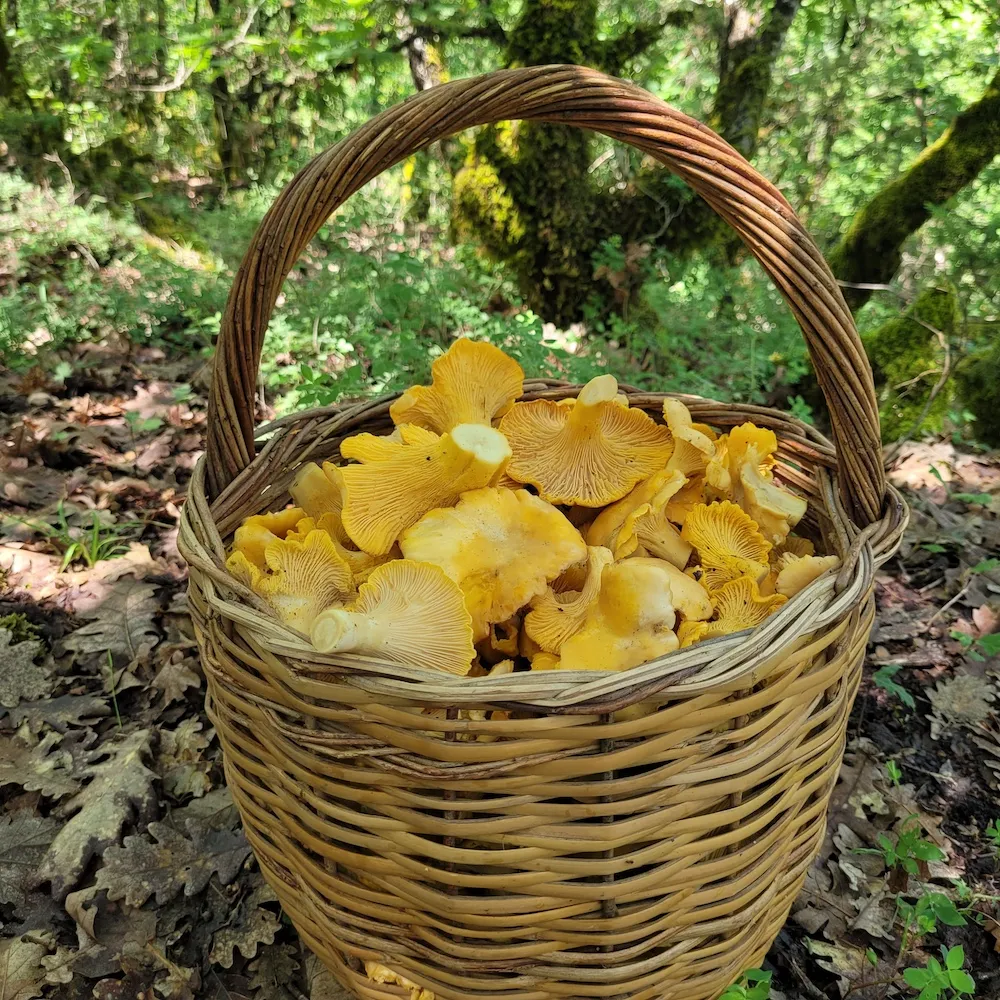
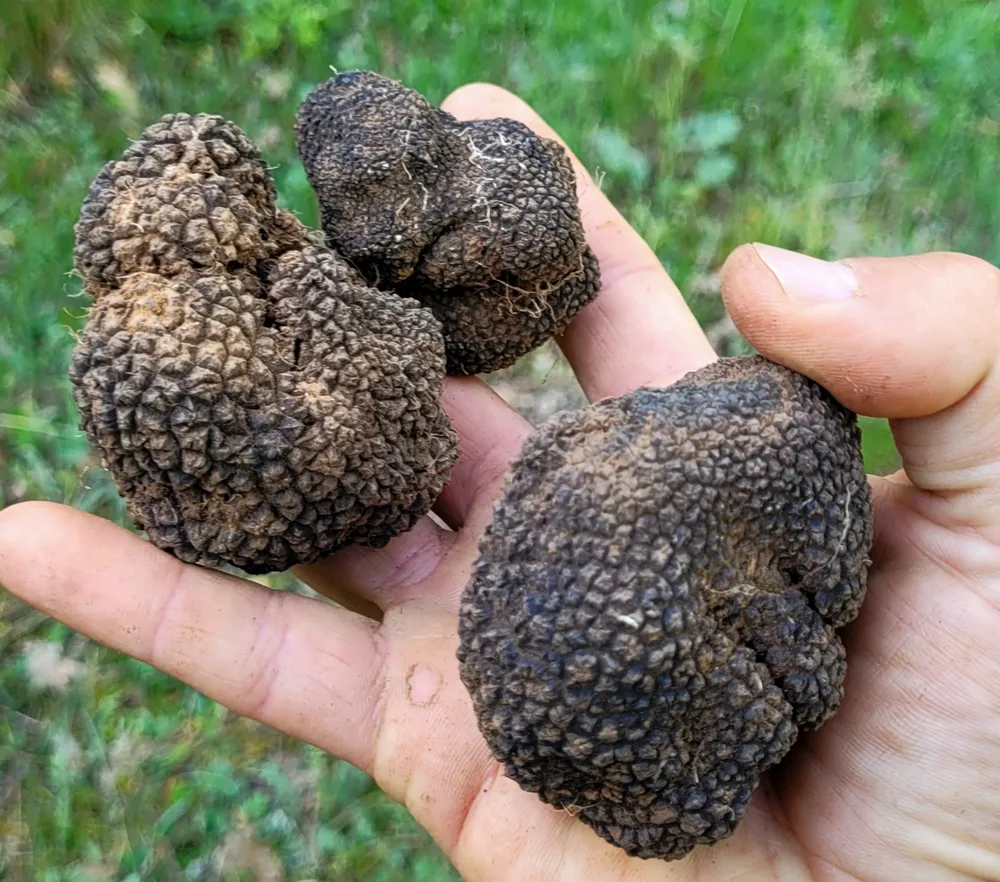
Depending on the season and the target species, we mainly search in oak, hazelnut, pine, and fir forests, or mixed woodland. The dogs are the most vital part of the process, detecting the truffles buried underground. Once they mark a spot, I use a specific digging tool called a vanghetto, carefully extracting the truffle without scratching or breaking it.
A good day isn't one with a massive haul. For me, the best days are when the air is crisp after rainfall, the skies begin to clear, and misty humidity lingers in the air as sunbeams break through the canopy, creating a truly magical, mysterious feeling in the forest.
The forests and landscapes of Zagori are remarkable. What’s the most surprising thing you’ve ever found while foraging here?
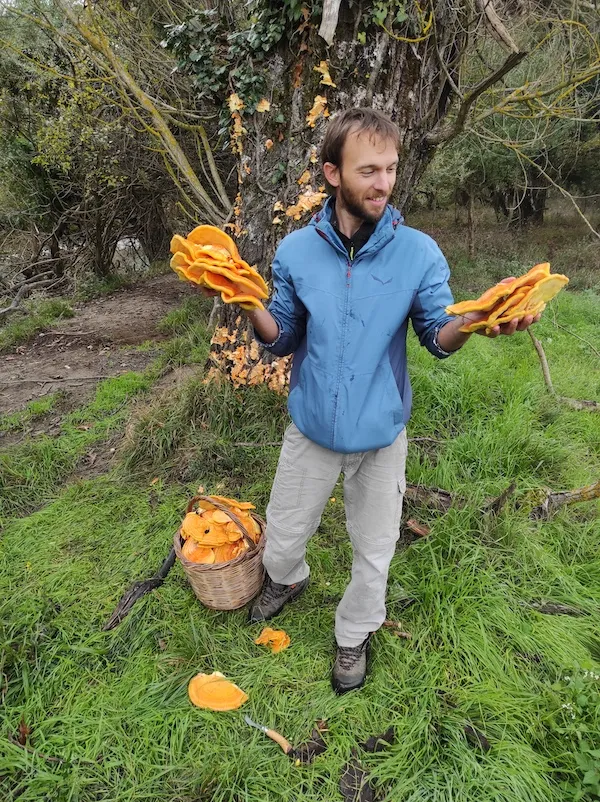
It’s amazing how much biodiversity exists in such a small area. You can walk for an hour and encounter completely different ecosystems. I’ve found many rare mushrooms and wild orchids that I have only ever seen once. I have also seen wolves and bears, and felt a deep sense of humility beside them.
For me, the most surprising discoveries are the ruins of abandoned stone bridges, now completely reclaimed by nature. They appear in places where I had no idea they existed, far from hiking paths or roads, signs that people once lived here and travelled through places that are now completely wild.
The Vikos Gorge is one of the great natural sights of Greece. Do you have a favourite spot or favourite time of day to be there?
My favourite time is early morning, without question. Before the sun rises and before visitors arrive, the gorge has an almost unreal stillness. The light moves slowly across the cliffs, and you can hear the echo of the first birds singing.
My favourite feeling is standing at the top and staring at this incredible geological formation, then suddenly realising how enormous the gorge really is and how small I am beside it. That feeling never disappears, even for someone who grew up here.
The stone bridges of Zagori are extraordinary pieces of engineering. Can you explain a little about what they are and where they came from?
Most of the bridges were built during the 18th and 19th centuries, when Zagori became an important trading region. Wealthy merchants funded them so the villages could remain connected through the mountains and rivers all year round. They are practical structures, built out of the need to travel through this rugged, hilly terrain, but they are also beautiful and have now become symbols of the area.
Every bridge has slightly different proportions depending on the river and the surrounding landscape. What amazes people is that they were built entirely from local stone by craftsmen from nearby villages, without modern machinery. Furthermore, the main force that holds them together and has kept them standing to this day is gravity itself.
Is there a local food or drink that you think says something important about this part of Greece?
The pies, especially the wild greens pies, say everything about Zagori. People here learned to use exactly what the mountains offered them: herbs, greens, cheese and handmade pastry. The recipes are simple, but they depend on a deep knowledge of the land and the seasons.
Tsipouro, although a bit too strong for me personally, is also very important to the Zagorian community. It is not just a drink, but a core part of hospitality and bringing people together. During its production, people used to, and still do, gather to distil it, taste the new batch alongside food, and very often listen to live clarinet music and dance to the sound of it. In the villages, sharing food and tsipouro is still the ultimate way of welcoming people.
Is there a book, a film or a piece of music that you think is a good representation of Zagori?
It is definitely the slow clarinet songs like the miroloi. They carry something very characteristic of this place, a mixture of melancholy, silence, dignity, and a connection with the mountains. Even people who do not understand the language can often feel the emotion behind them.

What do you want guests to leave Zagori understanding that they didn’t know when they arrived?
Nature is not separate from culture here. The forests and the environment shaped the villages; the mountains shaped the architecture; the seasons shaped the food and traditions. Zagori teaches you that people can live within a landscape without completely dominating it, blend into it respectfully, and adapt to what nature offers them.
I also hope guests leave understanding that “wild” places are not empty places, and that a slower way of living can be rewarding and fulfilling in so many ways.
Aggelos guides our Villages Beyond the Mountains journey through Zagori. To find out more or to join us, get in touch.
Latest Stories
Read all stories-
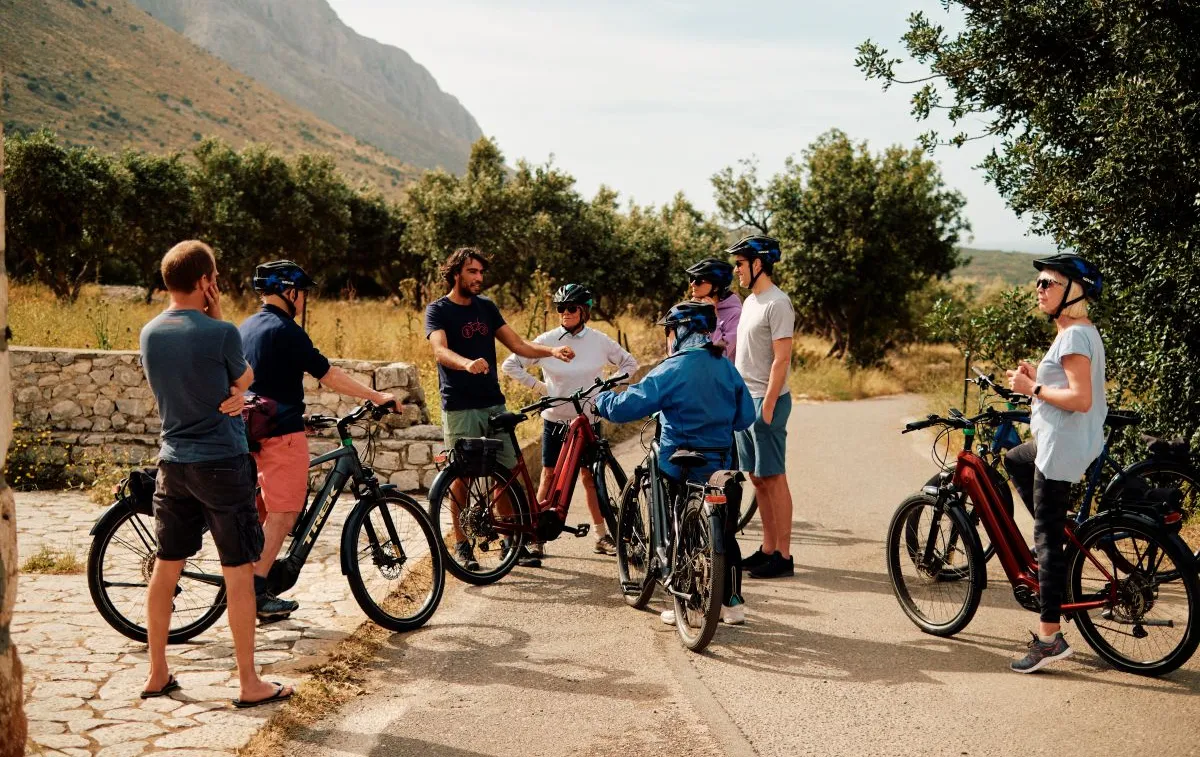
Vangelis: Slow Cyclist Guide in The Mani Peninsula, Greece
-
South Africa FAQS - Everything You Need to Know About Cycling in the Karoo
-
Watch: Our Karoo Webinar with Jaco and Katja
-
The Best Books Written by Adventurers and Explorers
-
The Quiet Case for the E-Bike
-
Europe by Train: The Best Way to Reach a Slow Cyclist Trip