The Stone Villages of Zagori: Greece's Best Kept Secret
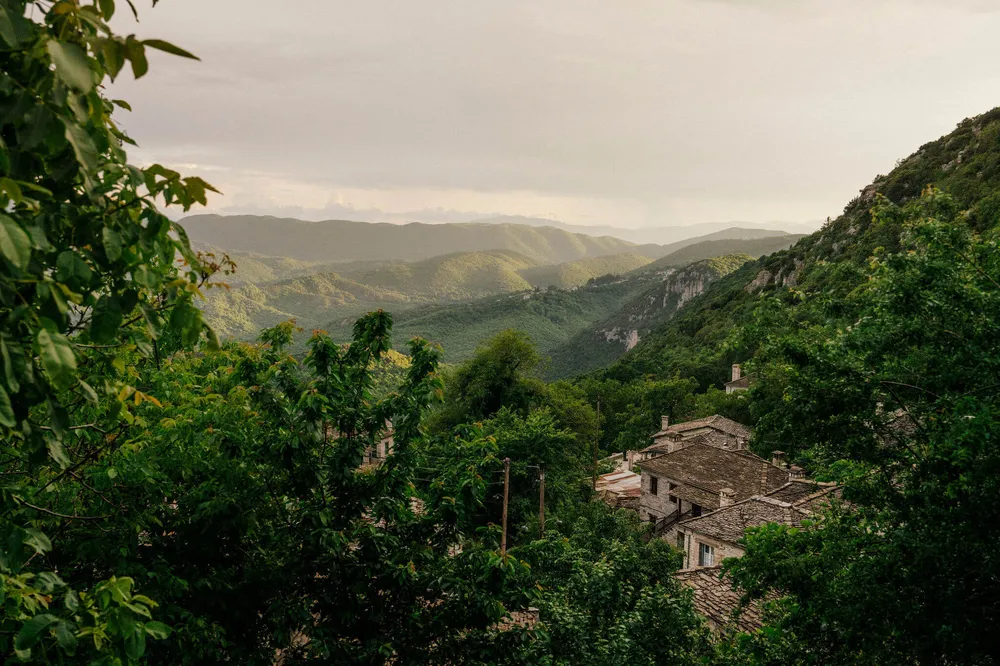
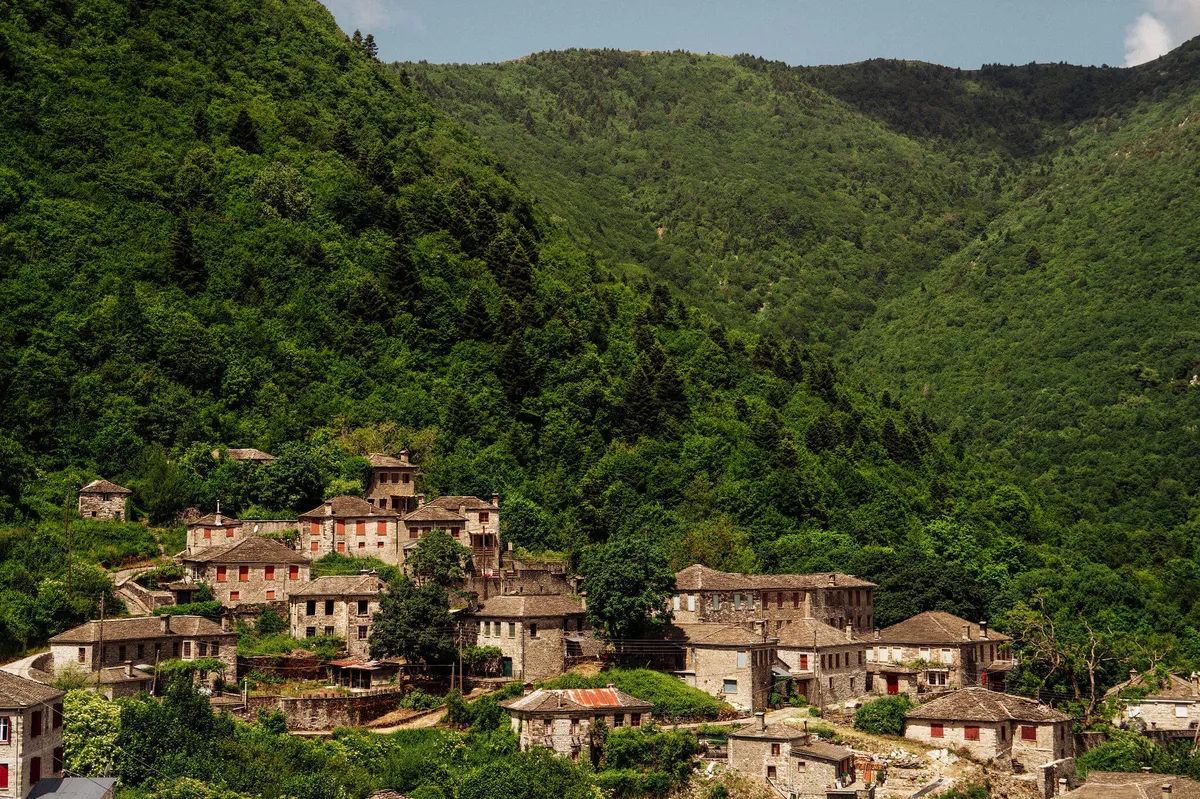
Zagori is a little-known region that sits in the Epirus region of north-western Greece, tucked into the Pindus Mountains close to the Albanian border. It is made up of 46 stone villages collectively known as the Zagorochoria, connected by cobbled paths, ancient bridges and a history that stretches back centuries. In 2023, it became Greece's first UNESCO World Heritage cultural landscape. Most visitors to Greece never find this hidden destination, but those who do never stop talking about it. The extraordinary network of stone bridges that still connect the villages today, the traditional crafts that are quietly coming back to life and the landscape that frames it all. If you are planning a trip to northern Greece, or trying to understand what makes this corner of the country so unusual, this is a good place to start.
A Short History of Zagori
The name Zagori derives from a Slavic word meaning "the place behind the mountains", which captures how the region has always related to the outside world. Remote, elevated and difficult to reach, Zagori and those who live within it developed largely without much external influence.
Under Ottoman rule from the 15th century, Zagori negotiated a formal agreement granting the villages self-governance in exchange for a fixed annual tax to the sultan, meaning the Ottoman authorities kept their distance. The 17th and 18th centuries brought a period of relative prosperity. Zagorian's travelled widely as merchants and traders, reaching Constantinople, Vienna, Odessa and further afield. Many made fortunes and sent the money home. The stone mansions, churches, schools and bridges that still define the landscape were largely funded by this practice.
By the 20th century, two world wars, the Greek Civil War and the steady pull of Athens and the cities drew people away from the mountains. Many of the 46 villages shrank significantly. A handful were damaged during the conflicts and never fully recovered. The challenge of keeping these places alive is worth understanding before you arrive, because the effort that is going into bringing the area back to life is one of the most incredible things about Zagori today.


UNESCO World Heritage Status
In September 2023, the Zagori Cultural Landscape was officially listed as a UNESCO World Heritage Site, recognised as "an outstanding example of a traditional human settlement representing a distinctive culture adapted to a remote mountain environment."
The heritage site covers the architecture and settlement of the Zagorochoria, the stone paths and bridges and the forests maintained by local communities. Twenty villages form the UNESCO core zone. The villages are mostly made of local limestone, the roofs are slate and the proportions of the buildings are in keeping with the landscape rather than imposed on it. Walking through the villages of Monodendri, Koukouli and Dilofo, it is easy to understand why the designation was granted.
While its UNESCO status has brought a modest increase in visitor numbers, Zagori is large enough and road access remote enough that it has not yet been overwhelmed. There is still a great deal that most visitors do not find.
The Stone Bridges of Zagori
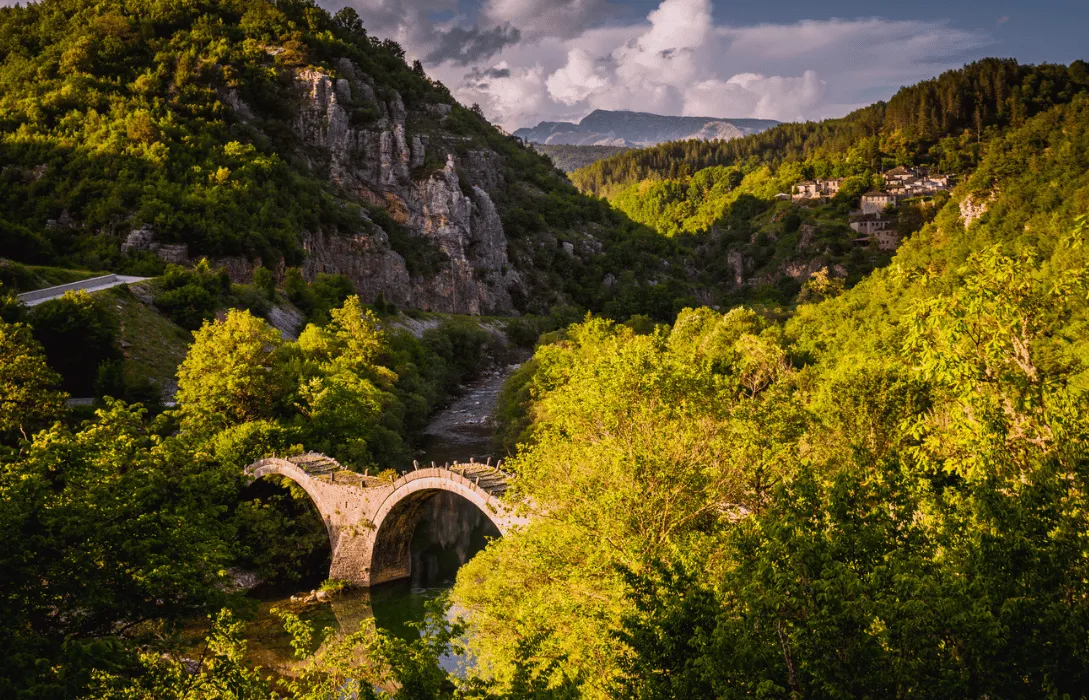
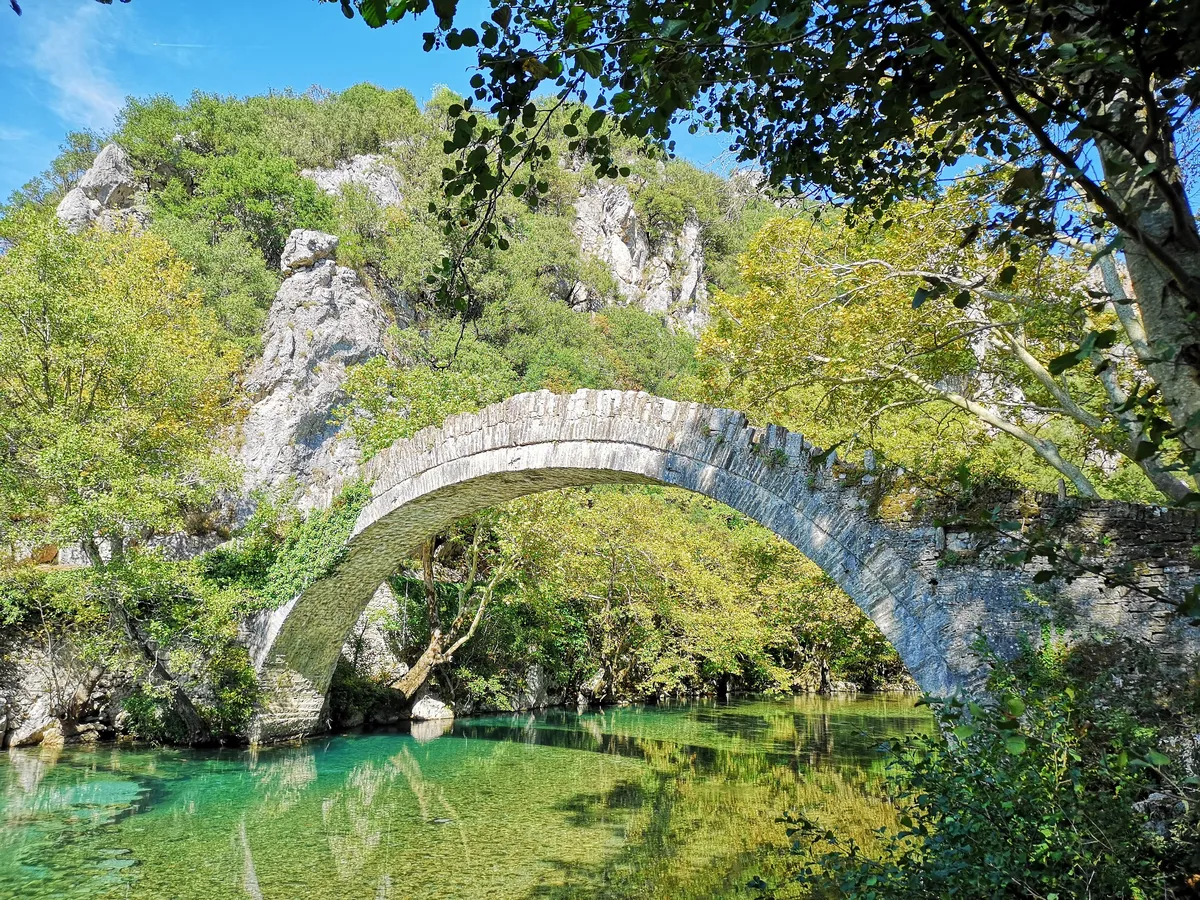
The bridges are perhaps what Zagori is best known for. Around 80 stone bridges survive across the region, most built or substantially rebuilt during the 18th and 19th centuries. They were constructed by master craftsmen from the villages of the Konitsa district, known collectively as the Mastorochoria, meaning "the villages of the masters". These were specialist builders whose skills were in demand across the entire Ottoman Empire, as far as Egypt and Persia.
The bridges were built without mortar, relying entirely on the weight of precisely cut limestone. Depending on the width and flow of the river, they have one, two, or three arches. Almost all of them were funded by a private patron, a wealthy merchant, a local notable or a benefactor returning from abroad.
Around the village of Kipi, several of the finest examples stand within a short walk of each other. The Kokkoris bridge, the Plakidas or Kalogeriko bridge, and the Kontodimos bridge. Many of the bridges are still walkable, still used and still structurally sound after two and a half centuries, a testament to those that built them.
One of our guides, Joshua Barley, has spent the best part of a decade studying and writing about this landscape. You can read more about Joshua and his relationship with Zagori here.
The Vradeto Steps
The Vradeto Steps are another example of what the builders of Zagori achieved, and they are one of the highlights of any journey through the region. A 19th-century cobbled path cut into the face of the Mesaria Gorge. The Steps connect the village of Kapesovo to Vradeto, the highest village in Zagori at 1,350 metres. Walking them takes around 45 minutes and the views back across the gorge at each turn are reason enough to take it slowly.
Vradeto itself has three permanent residents. Konstantina is one of them, and she has lived there year-round for the best part of a decade, running a small coffee shop that has become a fixture for anyone walking the steps. The fact that she has chosen to stay, and to build something in a village that most people have left is part of what makes Zagori worth paying attention to. We've written about her life in Vradeto here.

The Vikos Gorge and the Pindus
The Vikos Gorge holds the Guinness World Record as the world's deepest gorge relative to its width. It runs for 32 kilometres through the heart of the Vikos-Aoos National Park, splitting Zagori roughly in two, and the limestone walls drop up to 1,350 metres to the Voïdomatis River below. The Voïdomatis is considered one of the cleanest rivers in Europe. and can be seen in all its glory from the Beloi viewpoint
The flora of the wider national park includes over 1,700 plant species, many of them endemic to the northern Pindus, among them rare fritillaries, elder-flowered orchids and a snowdrop named after Queen Olga that flowers in the woods around Elafotopos each February.
Bears, wolves, otters and wild boar all live in the national park and golden eagles are a regular sight above the gorge. The wider landscape takes in dense fir, beech forests and high alpine pastures. Our photographer, Chris Joubert captured it across a recent spring journey; his photo essay is worth a look.
Greek Traditional Crafts
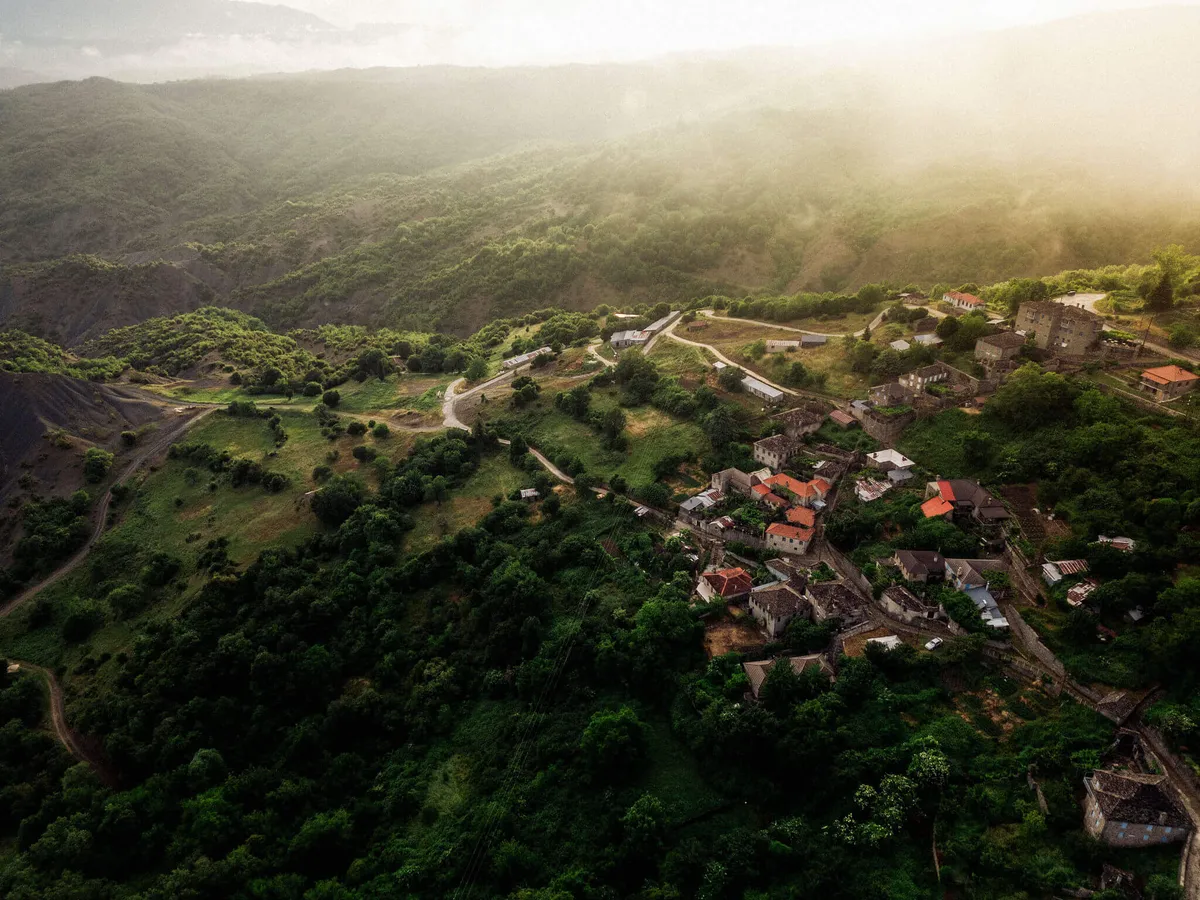
Greece had many traditional crafts, especially in areas like Zagori where the local people had to live off the land, and visitors were rare. Sadly, many of the traditional crafts died out over the years, but many in Zagori are working tirelessly to bring these lost arts back to life.
Weaving
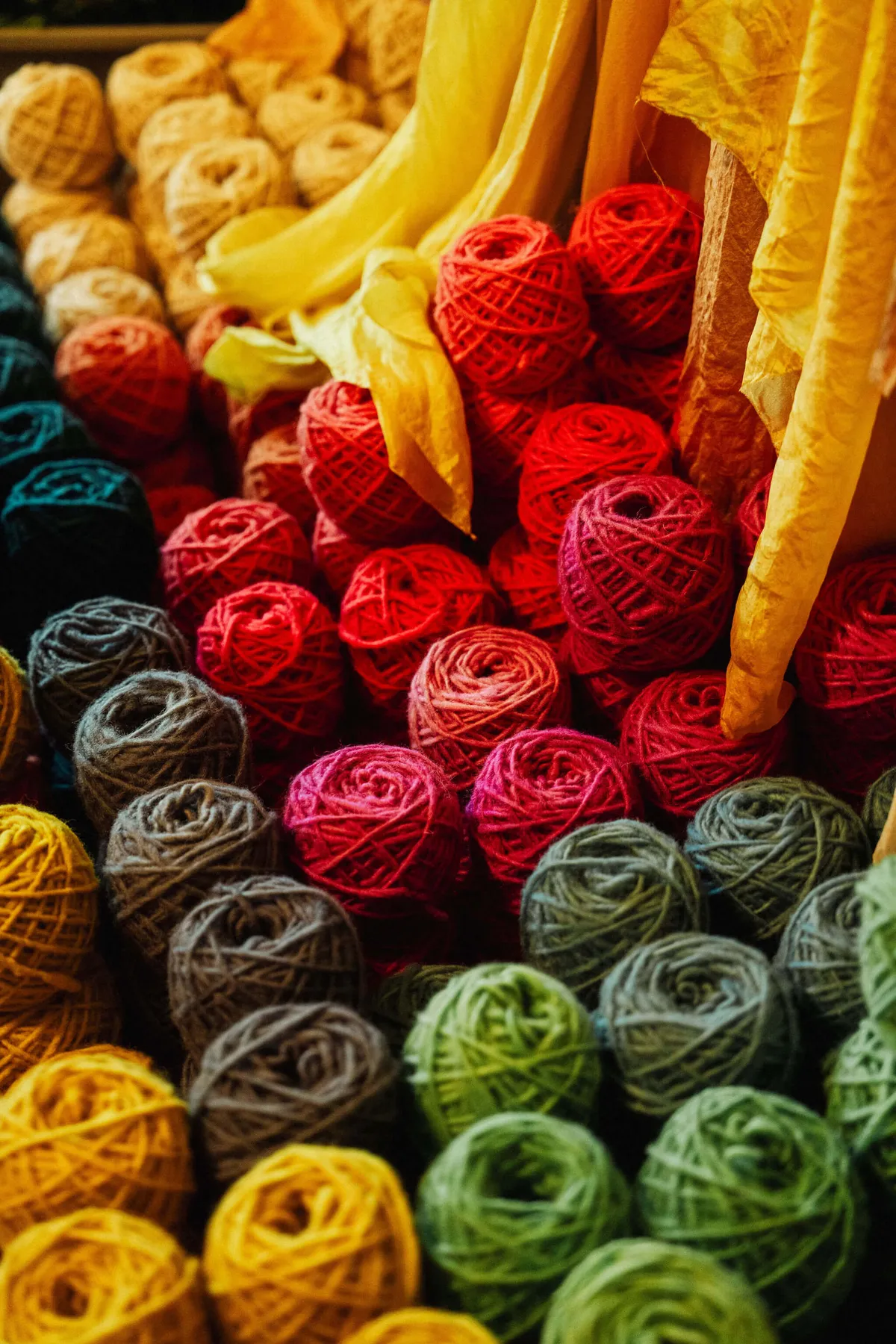
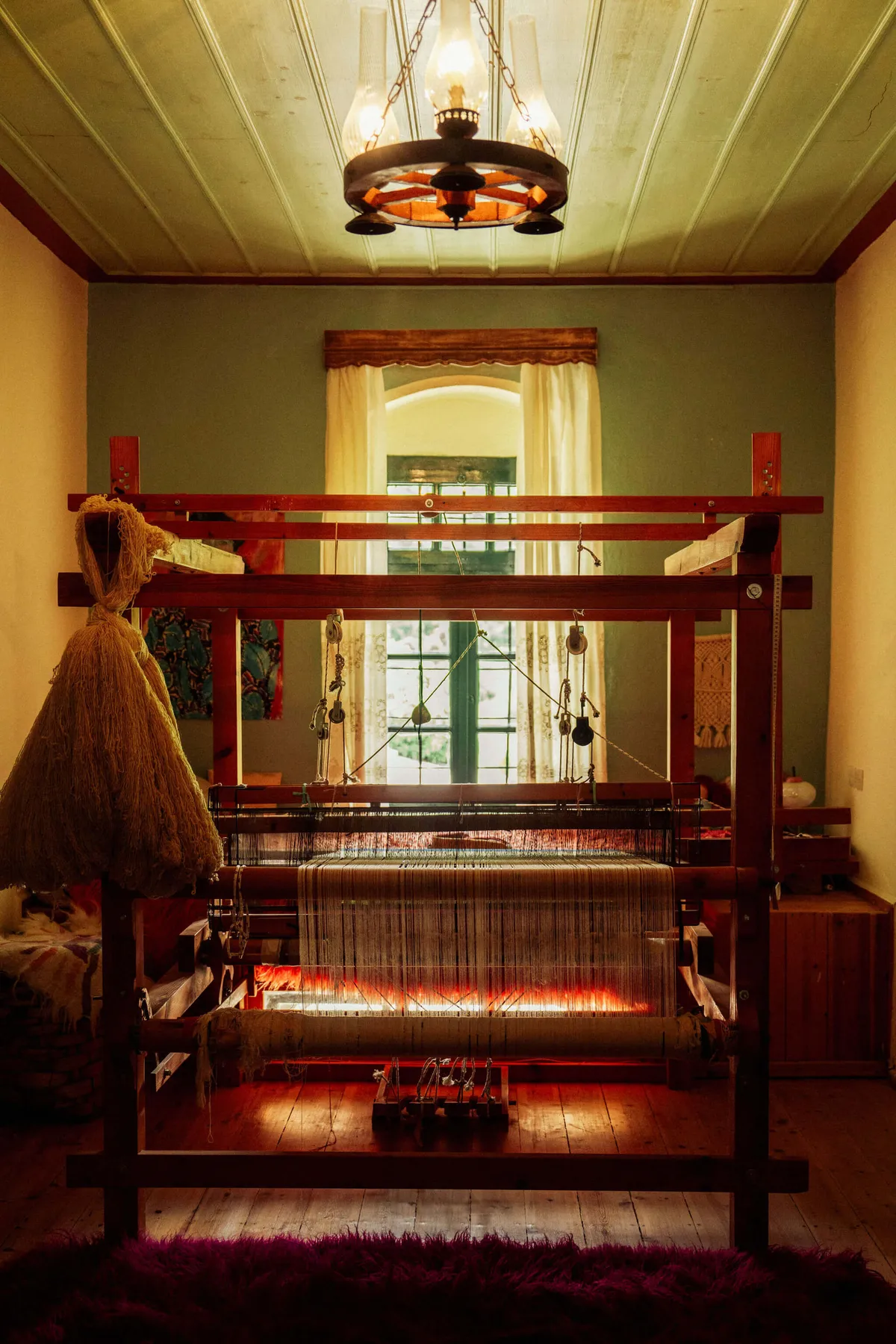
The Women of Zagorochoria developed distinctive skills in wool processing, spinning, weaving and embroidery. The craft collapsed during the 20th century as industrial textiles arrived and the population fell. However, collectives such as The Pokari Project are working to restore the value and practice of working with wool by connecting traditional producers with contemporary makers. Teaching loom weaving to visitors and running hands-on sessions on century-old looms.
Foraging
The forests and pastures of the Pindus Mountains have always been a source of food for the communities of Zagori, and foraging remains part of daily life for those who live here year-round. The variety of edible plants, fungi and herbs available across the seasons is extraordinary: wild greens, chamomile, sage, oregano, St John's wort, chestnuts, walnuts and an array of mushrooms that ranges from porcini and chanterelles to morels and the prized Amanita caesarea.
Our mountain guide Aggelos, grew up in Zagori. His knowledge of the medicinal and culinary properties of the plants that grow here comes directly from years of walking these forests. You can read a full interview with Aggelos, including his thoughts on foraging in Zagori, here.
Truffle Hunting
East Zagori is considered one of the finest truffle-hunting areas in Greece. The forests of the Vikos-Aoos National Park provide ideal conditions: a variety of host trees including oak, hazel and pine, plus a soil and climate that truffles love.
Truffle hunting in Zagori takes place year-round, with different species coming into season at different times. White truffles peak in autumn; black in summer and winter truffles follow their own calendar. The hunt is done with trained dogs, often Lagotto Romagnolos, who follow their noses into the forest floor while the hunter watches and waits.
Beekeeping and Honey
The wildflower and herb diversity of the Pindus Mountains produces honey with a character that cannot be replicated at lower altitudes or in less botanically varied landscapes. Many families across the Zagorochoria have expanded their hives in recent years, selling directly from their properties or through local cooperatives.
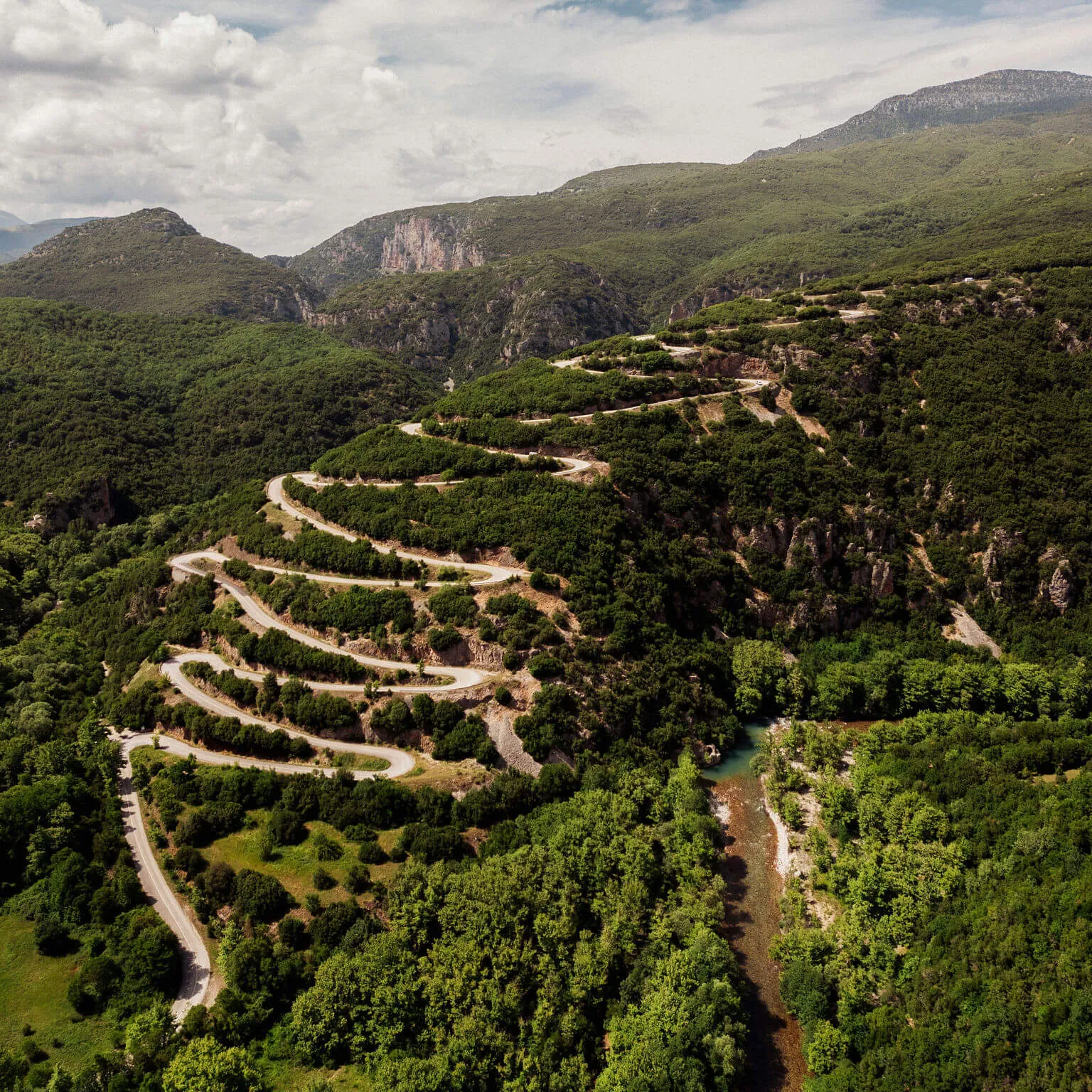
Want to explore Zagori with us? We run a five-night cycling and walking journey through the Zagori, taking in the stone villages, the gorge, the bridges, the food and the people. Find out more on our Zagori cycling holidays page or get in touch and we'll talk you through it.
Latest Stories
Read all stories-
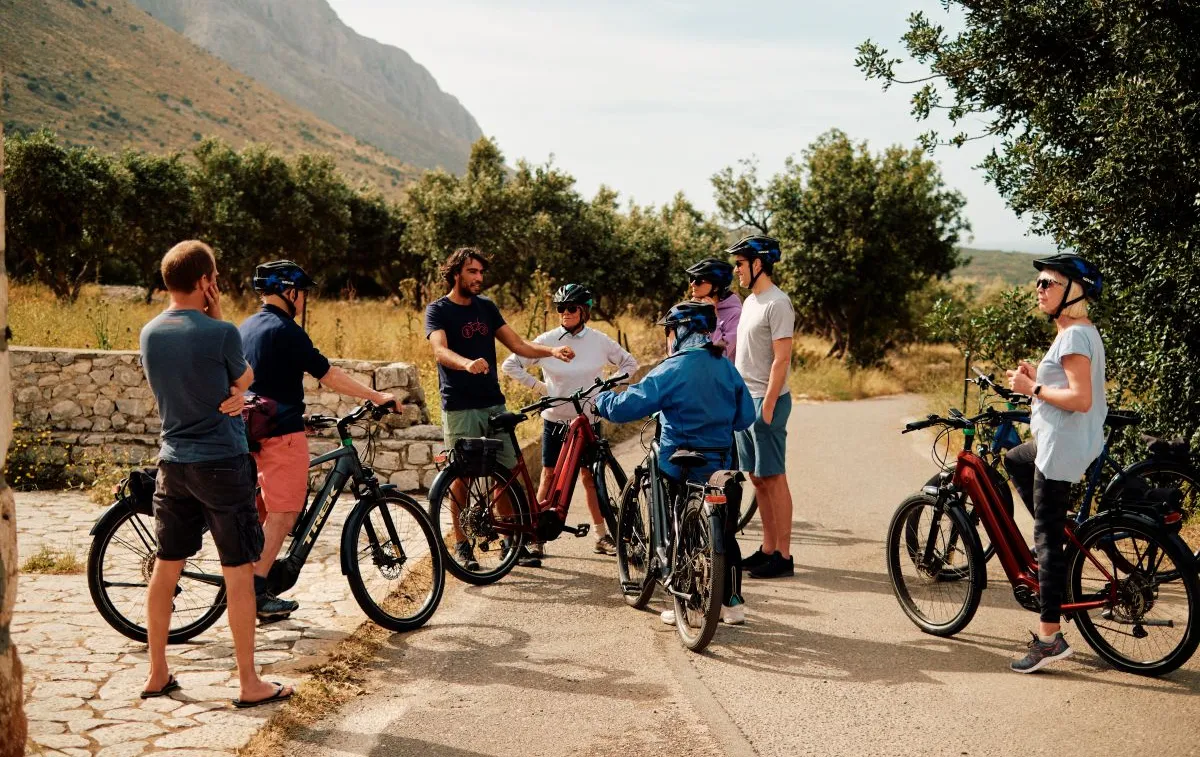
Vangelis: Slow Cyclist Guide in The Mani Peninsula, Greece
-
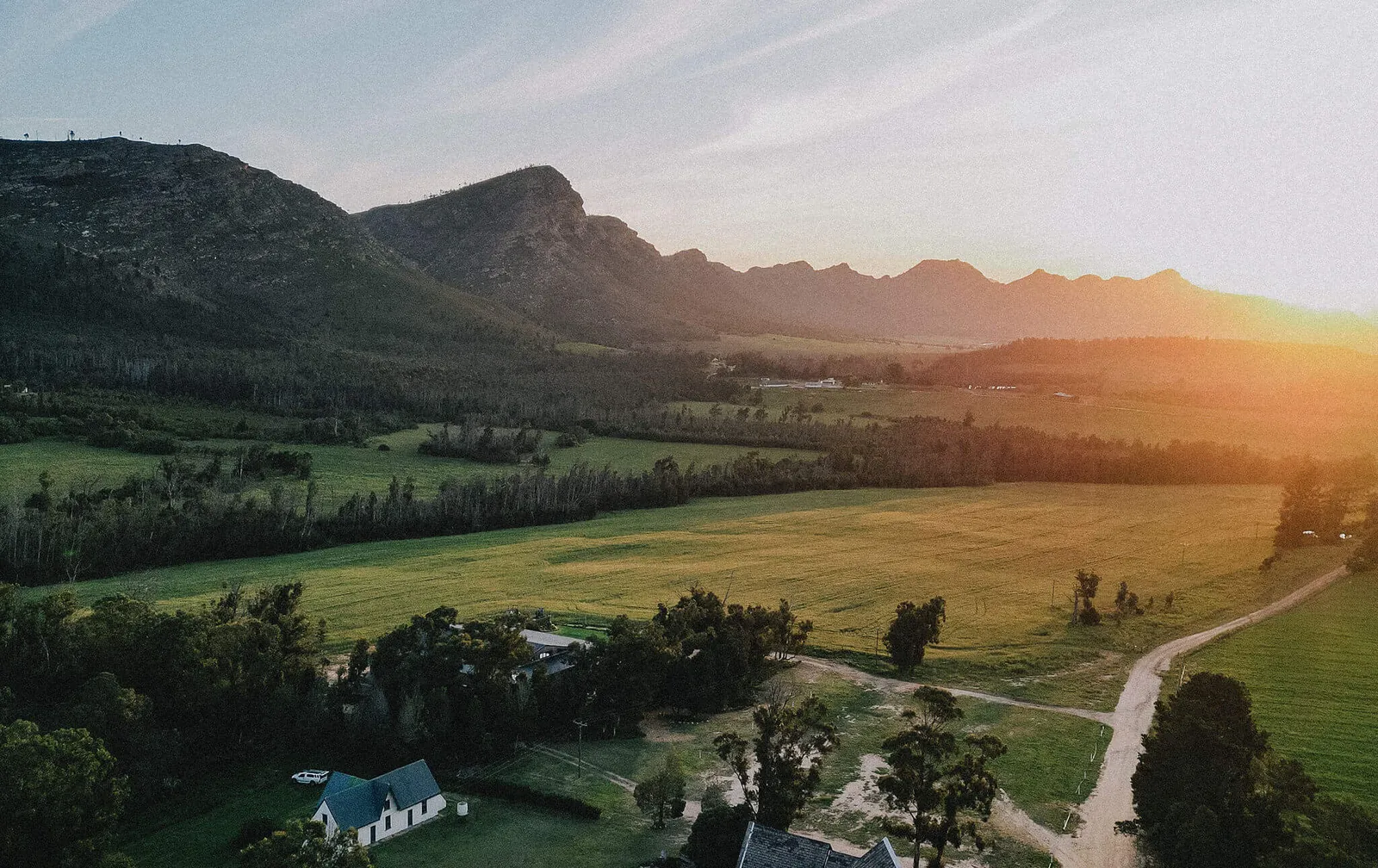
South Africa FAQS - Everything You Need to Know About Cycling in the Karoo
-
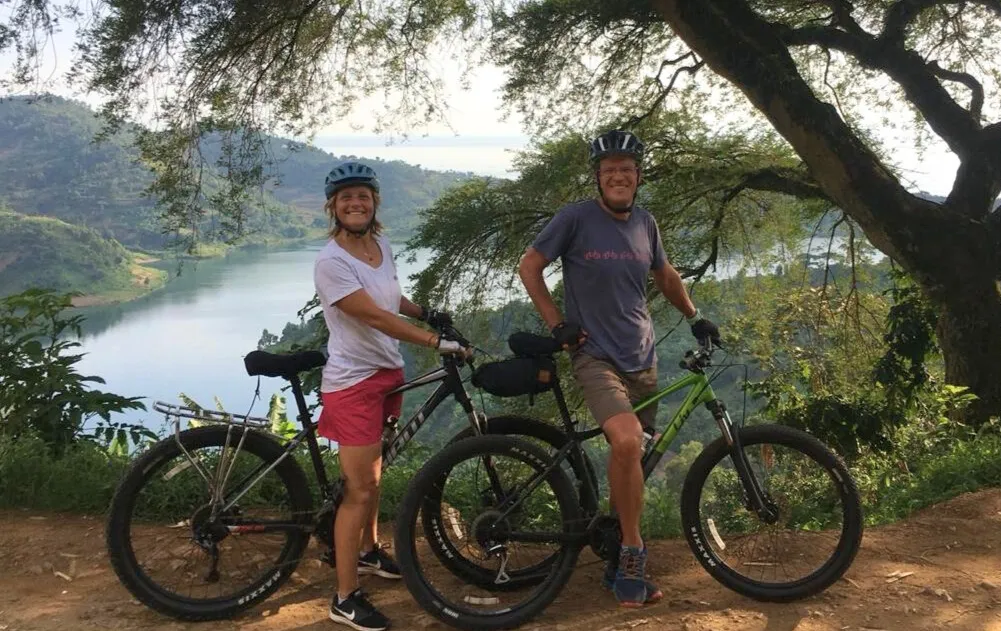
Watch: Our Karoo Webinar with Jaco and Katja
-
The Best Books Written by Adventurers and Explorers
-
The Quiet Case for the E-Bike
-
Europe by Train: The Best Way to Reach a Slow Cyclist Trip