Rwanda FAQs - Everything You Need to Know About Rwanda
Rwanda has a way of surprising people. They come expecting gorillas, and the gorillas do not disappoint, but they leave talking about something else entirely: the red dirt roads, the warmth of the people, the hills that roll on forever, the sense that this small country in the heart of Africa is doing something remarkable. We've been bringing cyclists out here since the very beginning, and it still gets us every time. Below are all the questions we hear most often, answered to help you get the most of your trip.
Is Rwanda safe to travel to?
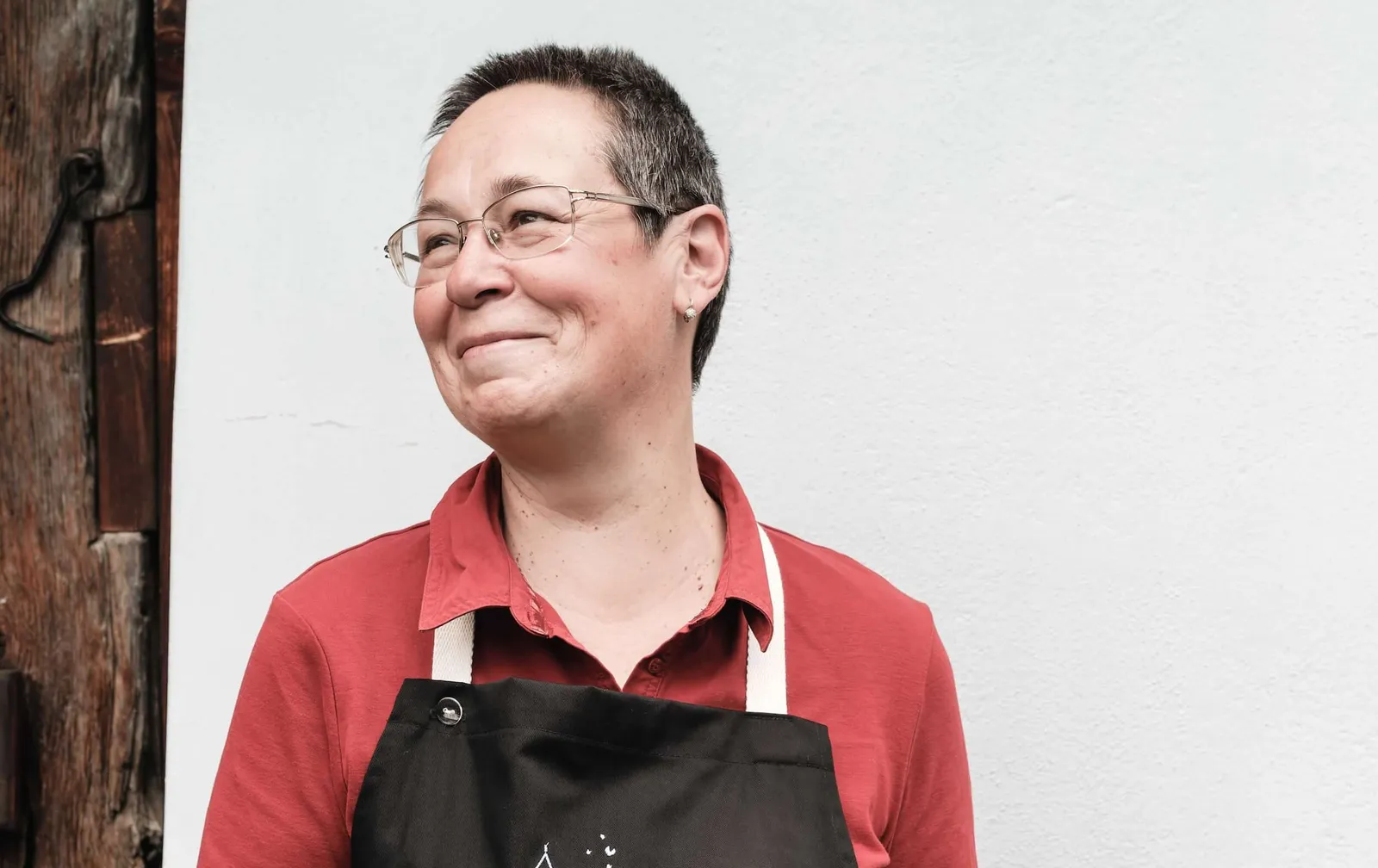
Rwanda is widely considered one of the safest countries for travellers in Africa. Kigali regularly tops lists of the continent's most liveable and well-organised cities. The roads are clean, the infrastructure has improved enormously over the past two decades, and visitors are genuinely warmly welcomed. Read about our customer experience expert, Emelye's trip to get a better idea of the experience of travelling in Rwanda.
How difficult is cycling in Rwanda?
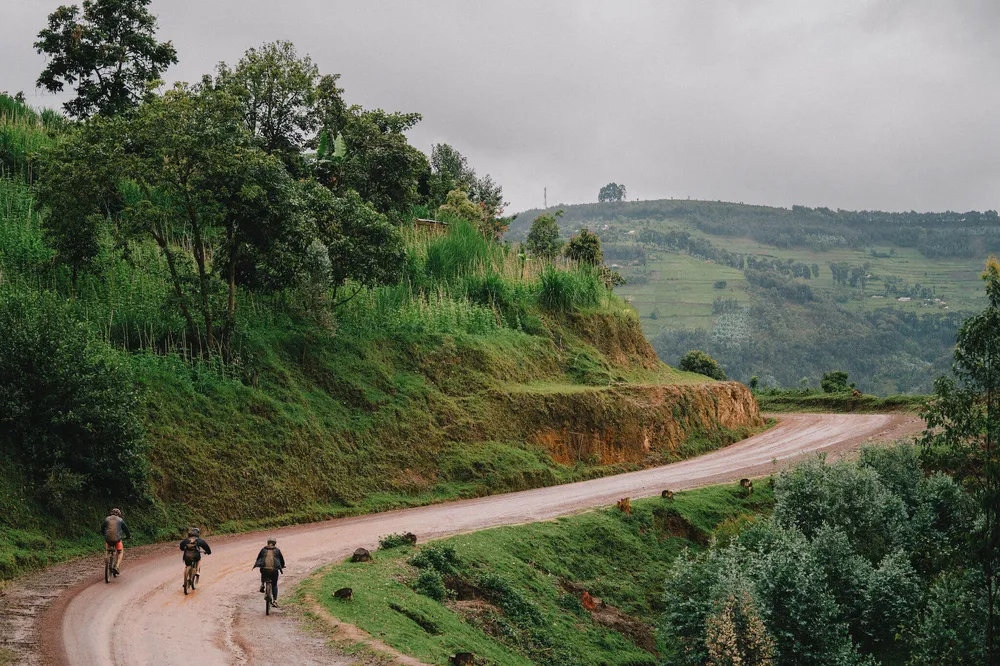
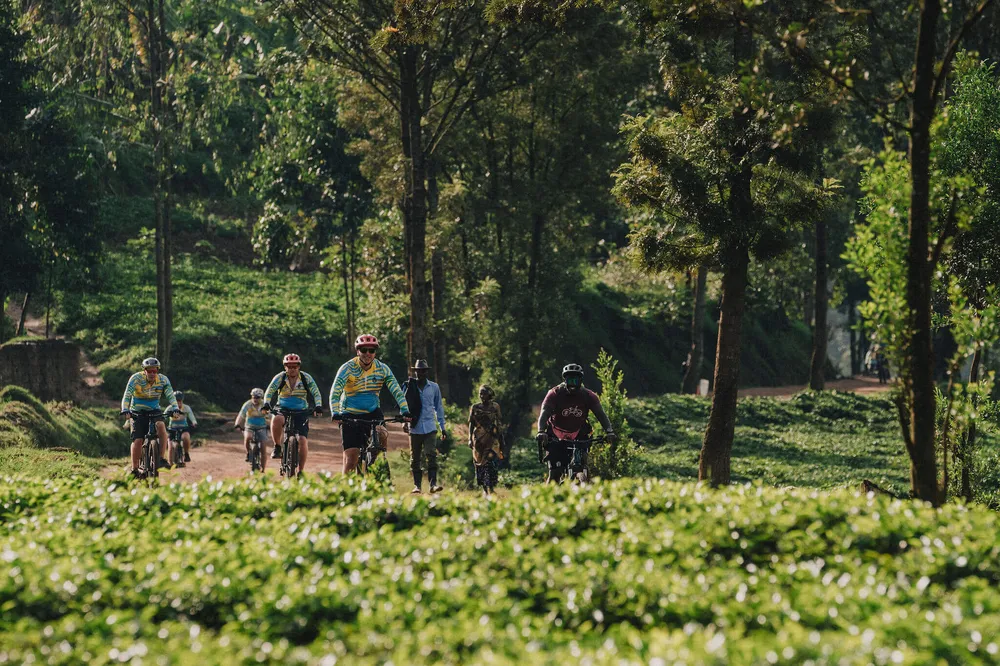
Rwanda is also called the Land of a Thousand Hills, and the cycling can be demanding. Our days in the saddle typically cover between 40 and 80 kms on red dirt roads, with climbing involved. Some sections are smooth and lovely; others require concentration, particularly after rain. You'll need a reasonable level of fitness and to be comfortable riding a bike uphill and downhill on unpaved tracks.
That said, we ride on premium electric mountain bikes, which make climbs become manageable, and the longer days become very achievable. You still need a bit of juice in your legs, but you don't need to be a 'cyclist'. We rate the trip Activity Level 4 out of 5. If you're in any doubt, get in touch and we'll talk it through honestly.
What other wildlife is there beyond gorillas in Rwanda?
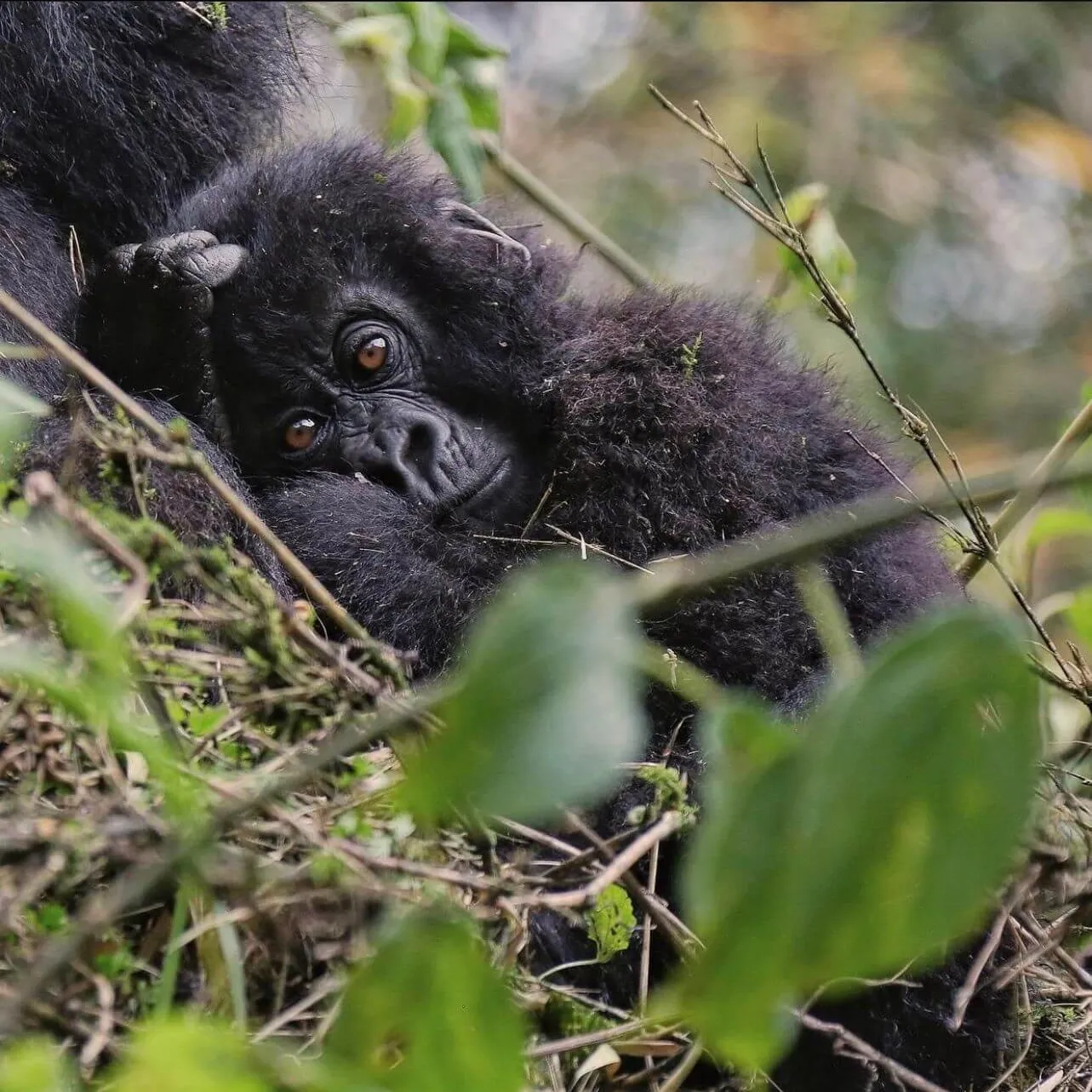
Rwanda has four national parks, each with its own character. Volcanoes National Park, in the north, is where you'll find the mountain gorillas, but it's also home to golden monkeys, as well as elephants and a good number of bird species.
Nyungwe Forest National Park, in the southwest, is one of Africa's oldest rainforests, covering over 1,000 square kilometres. It's the place to go for chimpanzee trekking, and is also home to colobus monkeys, grey-cheeked mangabeys and over 300 bird species.
Akagera National Park, in the east, is Rwanda's only savannah park and tells one of Africa's great conservation comeback stories. Once badly damaged by conflict and poaching, it now supports the full Big Five: lions, leopards, elephants, rhinos and buffalo alongside hippos, Nile crocodiles, zebra, impala and over 500 bird species including the spectacular shoebill stork. We can help organise a trip to Akagera as an extension if you'd like to extend your trip in Rwanda.
For birders, Rwanda is a remarkable destination. With more than 700 species recorded, including 29 Albertine Rift endemics.
What's the best time of year to visit Rwanda?
Rwanda is one of those rare destinations you can visit year-round. Sitting just south of the equator, temperatures are fairly consistent, warm rather than scorching, especially at altitude. There are two rainy seasons, roughly February to June and September to December, though even these rarely stop play entirely. Some of our guests reckon the country is at its most beautiful when the rains have just passed and the hills are an almost implausible shade of green.
We run scheduled trips in November, January and February. Private groups can travel at other times of year; just get in touch.
Do I need a visa to visit Rwanda?
Most visitors can enter Rwanda either by applying for an e-visa in advance through the official Rwanda e-visa portal or by obtaining a visa on arrival at Kigali International Airport. UK passport holders are currently eligible to enter visa-free for stays of up to 30 days, which covers our trips.
As with all travel admin, it's worth checking the latest position with the Rwanda Directorate General of Immigration before you travel; as these things can change.
How do you travel to Rwanda?
From the UK, RwandAir flies direct from London Heathrow to Kigali in around eight and a half hours; it's also a night flight, which means you can sleep your way to Africa and arrive in the morning. If you'd rather travel via a hub, Brussels Airlines, Kenya Airways, Ethiopian Airlines, KLM and Turkish Airlines all serve Kigali with a single stop.
From the US, there's no direct service, but connections are straightforward via Brussels, Amsterdam, Nairobi, Addis Ababa or Istanbul. Kenya Airways and Ethiopian Airlines are popular choices, and their Nairobi and Addis hubs connect well with the East Coast in particular.
What's Kigali like as a capital?
Kigali is unlike any other African capital, and unlike most capitals anywhere, for that matter. It's clean, well-organised, and has a young, energetic, forward-looking feeling to it. There's excellent coffee, good restaurants, and interesting art. We recommend the Inema Arts Centre and the Genocide Memorial, which is one of the most important and carefully handled memorials around. The city sits at around 1,500 metres above sea level, which means the light is extraordinary and the evenings are pleasantly cool.
What are the best books about Rwanda?
We recommend Land of Second Chances by Tim Lewis. It follows Adrien Niyonshuti, a member of the Rwandan cycling team who lost his family in the genocide at the age of seven and who, almost two decades later, found himself with a shot at the Olympics. It's a story about cycling, but really it's about hope.
For the history, Philip Gourevitch's We Wish to Inform You That Tomorrow We Will Be Killed with Our Families remains the definitive account of the genocide and its aftermath. It's a hard read, but one of the most important pieces of journalism of the past thirty years.
Rosamond Carr's memoir Land of a Thousand Hills is a gentler read; she spent most of her adult life farming flowers in Rwanda and, at the age of 82, opened an orphanage for genocide survivors.
Shake Hands with the Devil by General Roméo Dallaire, the UN force commander during the genocide, is essential for understanding how the world stood by. And Gaël Faye's novel Small Country, set just across the border in Burundi, captures the texture of that part of central Africa before the catastrophe with real beauty and sadness.
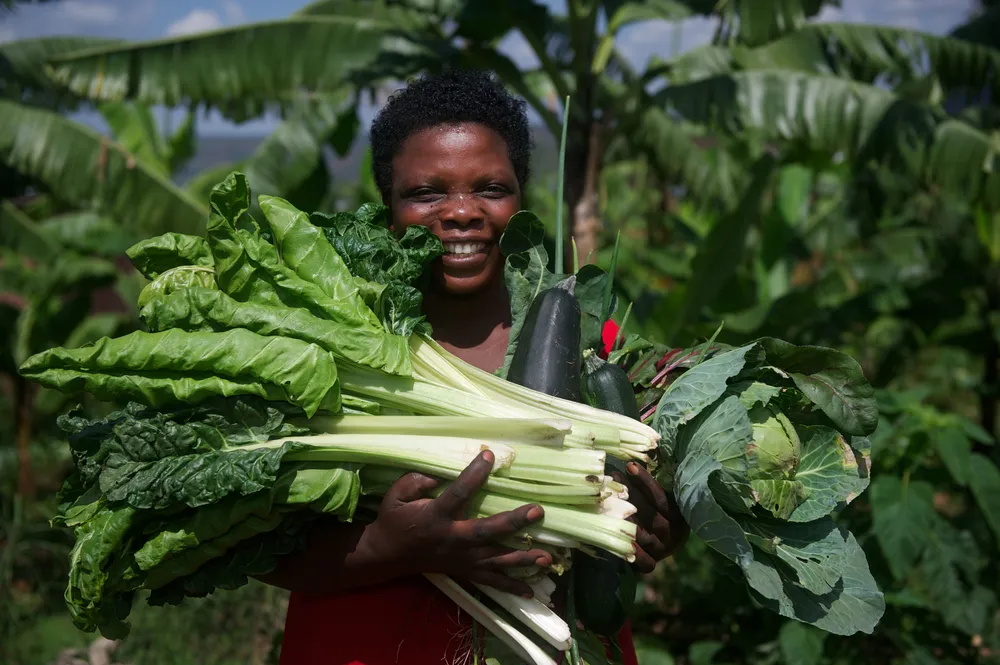
What's the local food like in Rwanda?
The country is extraordinarily fertile and the food reflects it. Expect plenty of fresh vegetables, beans, sweet potatoes, plantains, cassava, rice and avocados in vast quantities.
Brochettes are everywhere and are wonderful; they are goat or beef (sometimes fish) grilled over charcoal on skewers, usually served with fried plantains or chips. Also popular is Isombe: cassava leaves ground with peanuts and cooked into a thick, earthy stew and Mizuzu, deep-fried plantain chips.
What local charity and conservation efforts are there in Rwanda?
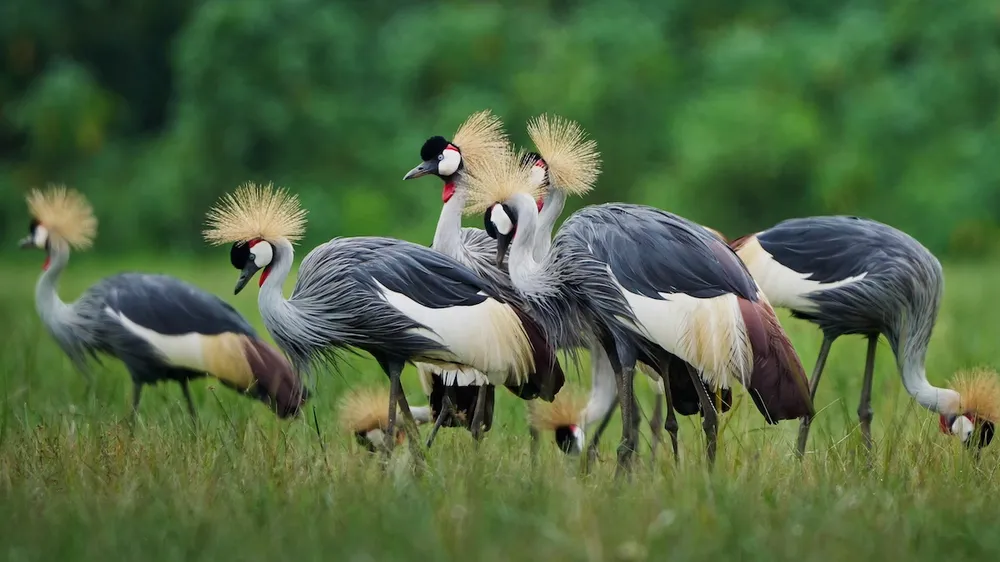
The Rwanda Wildlife Conservation Association (RWCA) is a homegrown charity that runs a nationwide programme covering species research and monitoring, wetland restoration, community ranger networks and environmental education for schoolchildren. Their 25-hectare restored wetland on the edge of Kigali is home to over 50 grey crowned cranes rescued from the illegal pet trade and is open to visitors.
The Kinamba Community Project is a UK-registered charity working in one of Kigali's poorer neighbourhoods, and we visit it on the first day of every trip.
What else is there to do in Rwanda?
Rwanda is compact enough that you can add a great deal to the cycling trip if you have the time. We would highly recommend Akagera National Park in the east for anyone wanting to combine the cycling with a more traditional safari; game drives, boat safaris on Lake Ihema, and the chance to see the Big Five in a dramatic lakeland setting.
Nyungwe Forest in the southwest is worth the journey for chimpanzee trekking and the canopy walkway alone. Combine it with time on Lake Kivu and you have a very full extra week.
Ready to discover all that Rwanda has to offer for yourself? Find out more about our Northern Rwanda cycling trip or get in touch and we'd be happy to talk it through with you.