How To Spend 7 Days in Rwanda - Emelye's Travel Diary
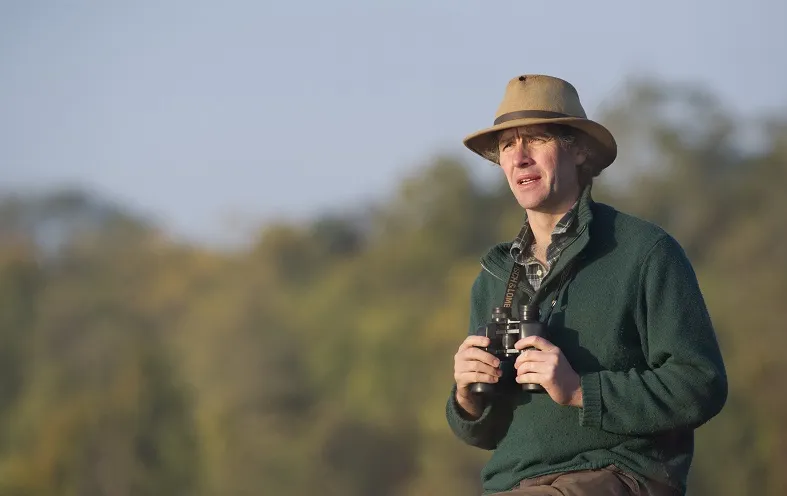
In early 2026, Emelye, a member of our HQ team and one of our Guest Experience experts, spent seven days in the vibrant heart of Rwanda. While crossing the ‘Land of a Thousand Hills’ on two wheels, she found that the journey offered much more than just breathtaking views; it provided a profound education in resilience, community, and the art of slowing down. Our founder Oli spent two years living in Kigali and spent his weekends exploring the country's red dirt roads by bike. It was those rides that planted the seeds for everything that followed. Here Emelye shares her thoughts from a week spent in the misty mountains of Rwanda.
Kigali
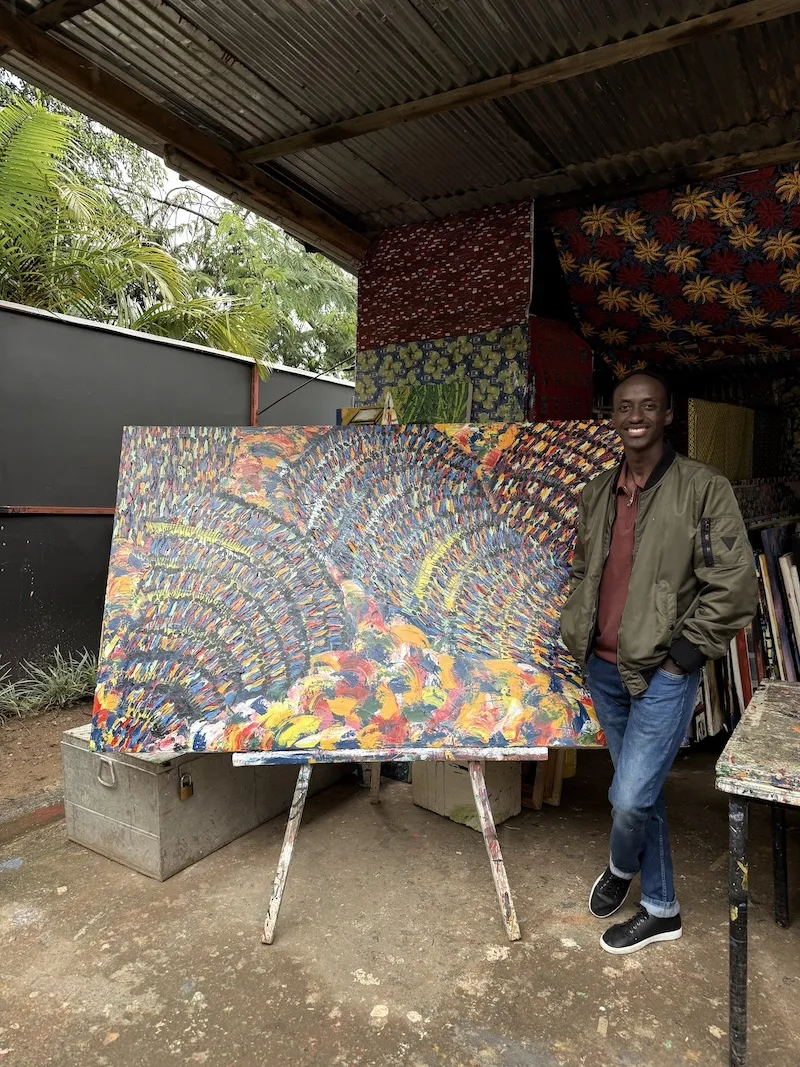
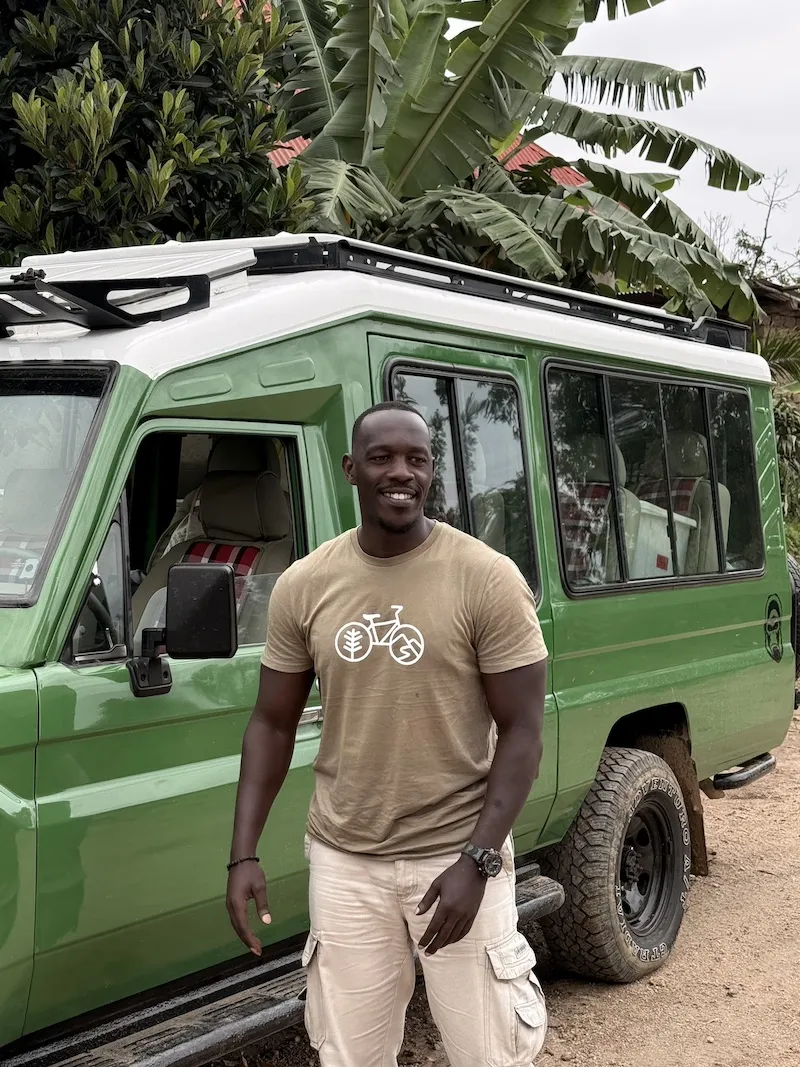
Kigali city has a character all of its own and it would be a shame to rush through it. It's unlike any capital city I've been to; the streets are clean, there's a lively arts scene, good coffee and a sense that the city is somewhere in the middle of becoming something. The Inema Arts Centre alone is worth an afternoon. I spent an hour there talking to one of the gallery staff about the works on display, including textiles made from barkcloth and some striking contemporary paintings. What I hadn't anticipated was how much I would learn from the people around me before I'd ridden a single kilometre. Our driver Bosco pointed out his children's school as we drove past, told me his wife sells shoes in town and that he rides his bike on the first Sunday of every month when Kigali closes its roads to cars. I enjoyed learning these small details about individuals, making me feel like I was getting a better picture of Rwanda as a whole.
Day 1 - Kigali to Rugezi Marsh
The morning of day one of cycling on our trip is spent at the Kigali Genocide Memorial. I won't attempt to give a full account of the history here, but it felt like the right way to begin to learn about Rwanda, and it is handled with care and honesty. UNICEF estimated that 80% of Rwandan children experienced the death of a close family member during the three months of the genocide. Walking around the memorial, seeing school groups file through in silence, you feel the weight of that. The profound thing about Rwanda is not only what happened but how they have chosen to rebuild, choosing to coexist and not to be defined by the atrocities. The memorial makes the warmth and resilience you encounter on the road feel even more remarkable.
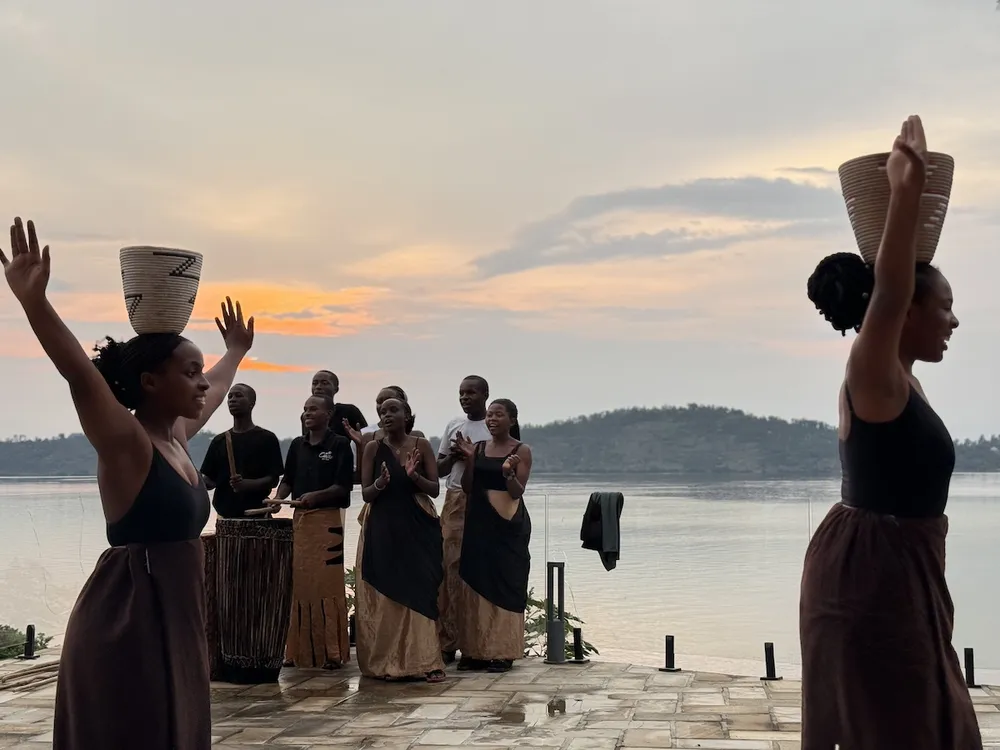
That afternoon we visited the Kinamba Community Project, a charity supporting some of Kigali's most vulnerable families. Eight young adults performed a traditional dance for us. Epiphanie, who runs the project, gave us a tour and as we said goodbye, she told me what it's like to wake up every morning to the sound of birds, children and neighbouring kitchens. Her description of ordinary morning life as something to be genuinely grateful for stayed with me all week.
Day 2 - Rugezi Marsh to My Eco Hill
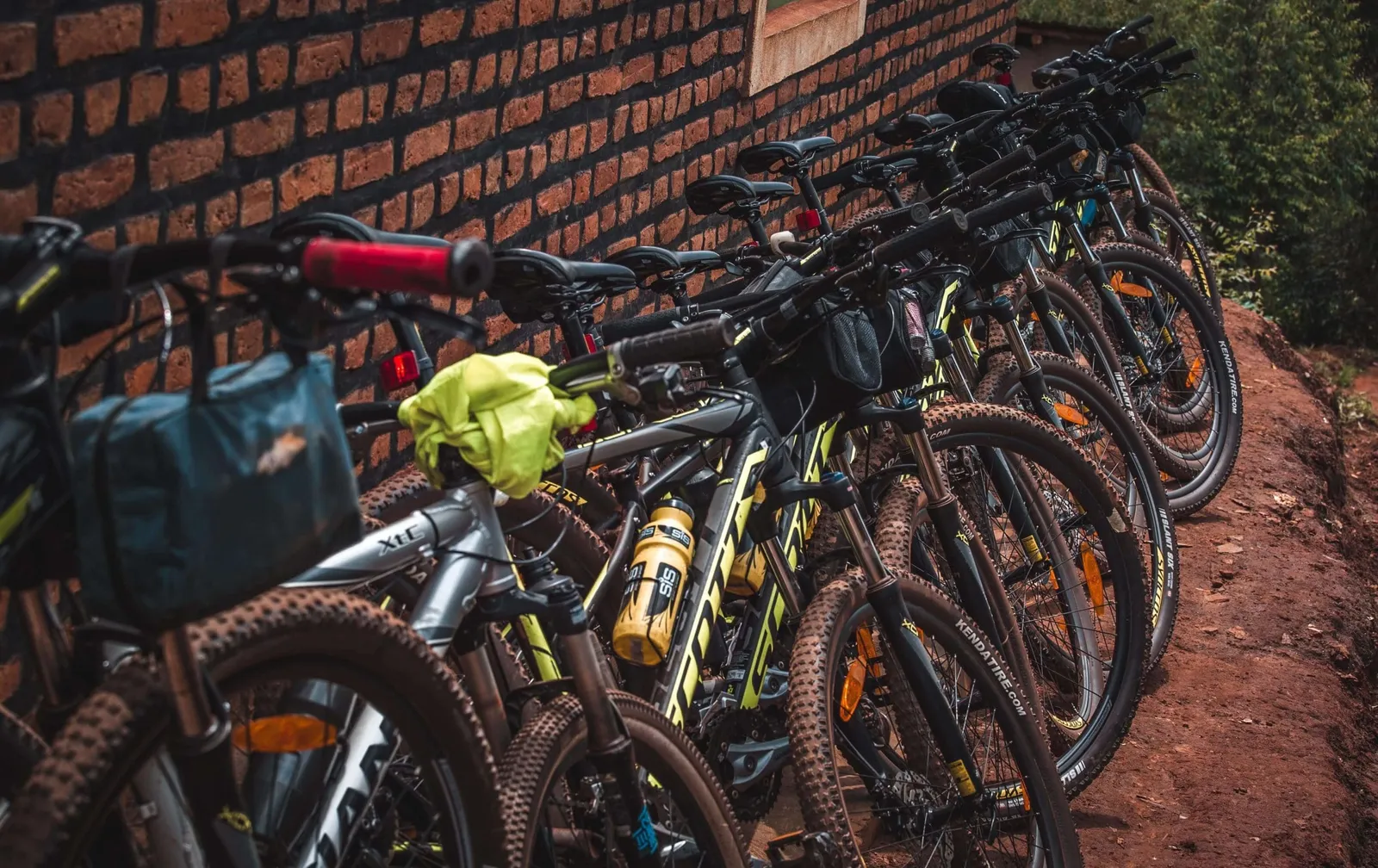
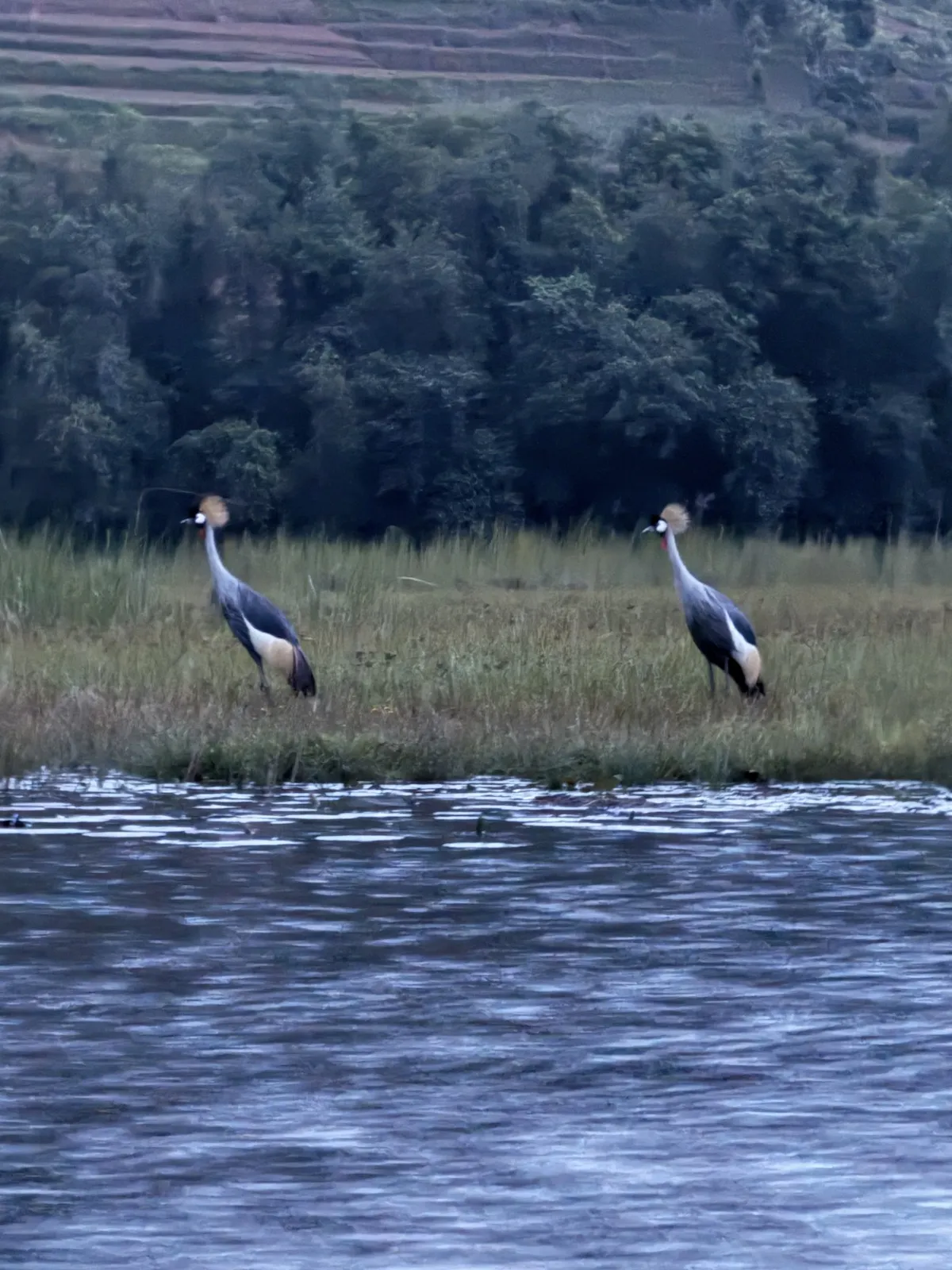
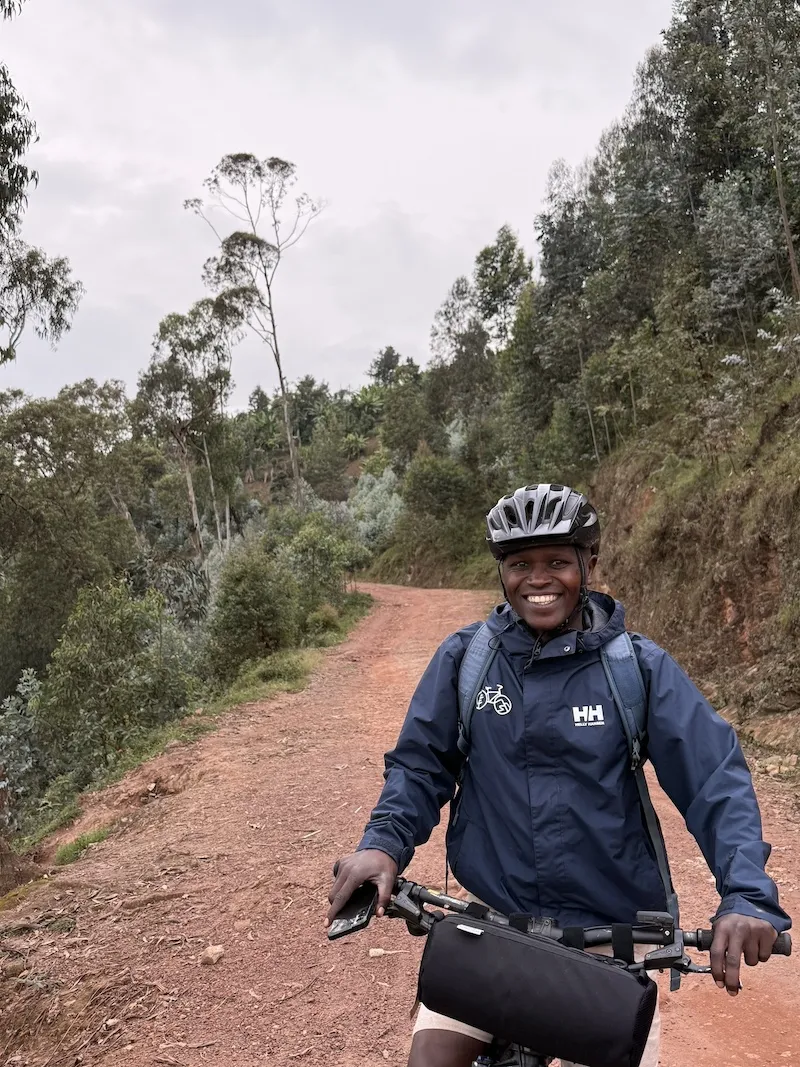
Our first full day in the saddle took us out of Kigali's suburbs, through a busy market town and into the Rwandan countryside. The further from the city, the more curious people's reaction to us became; children called out Muzungu! (a friendly term for tourists) and ran alongside us, giving us high-fives as we rode by. Our guide Jado led us through the day's route with good humour and patience. The cycling is on red dirt roads, wide but often rough. This is where the electric mountain bikes earn their keep! By the afternoon, we were approaching Rugezi Marsh, where the landscape opened up in a way I hadn't anticipated. After the hills and villages, this wide, flat wetland felt like a different country entirely. We were staying at the conservation camp run by the Rwanda Wildlife Conservation Association. After sundowner drinks on the water, we spotted two pairs of Grey Cranes dancing on the far bank. Our guide pointed out that the dancers at the Kinamba Community Project the previous day had been mimicking the same movement. The crane, once poached and displayed outside homes as a symbol of status, is now an emblem of Rwanda's rebuilding.
Day 3 - My Eco Hill to La Locanda
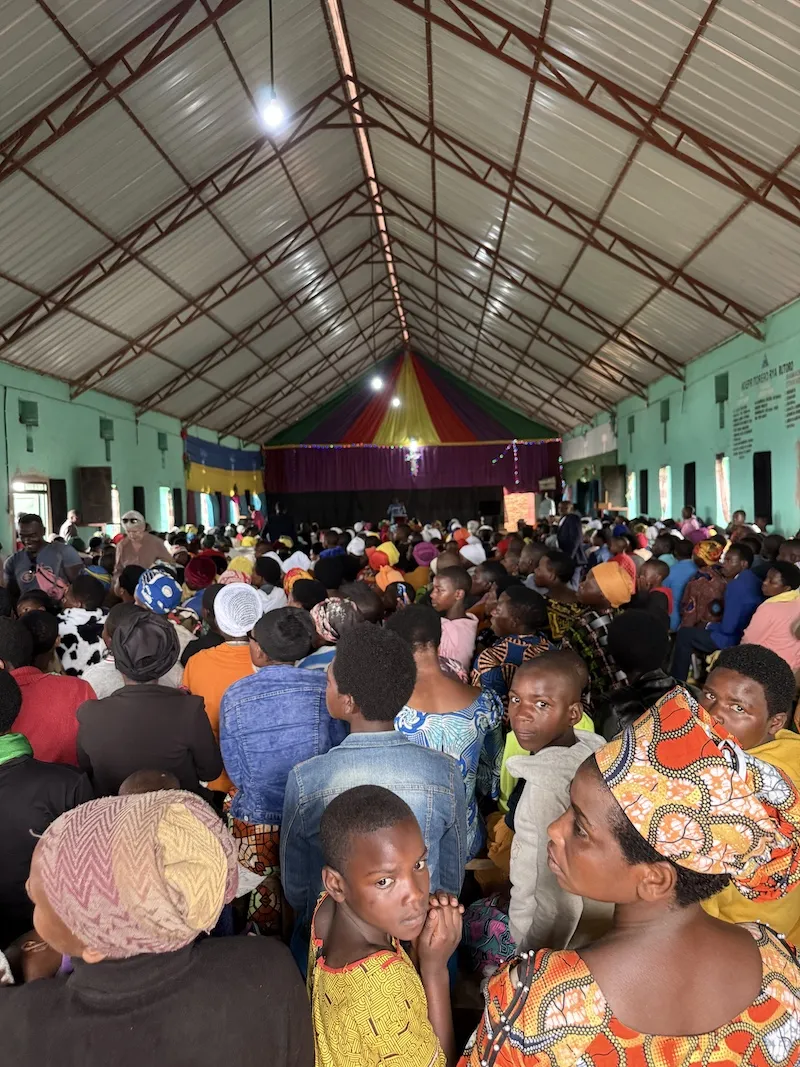
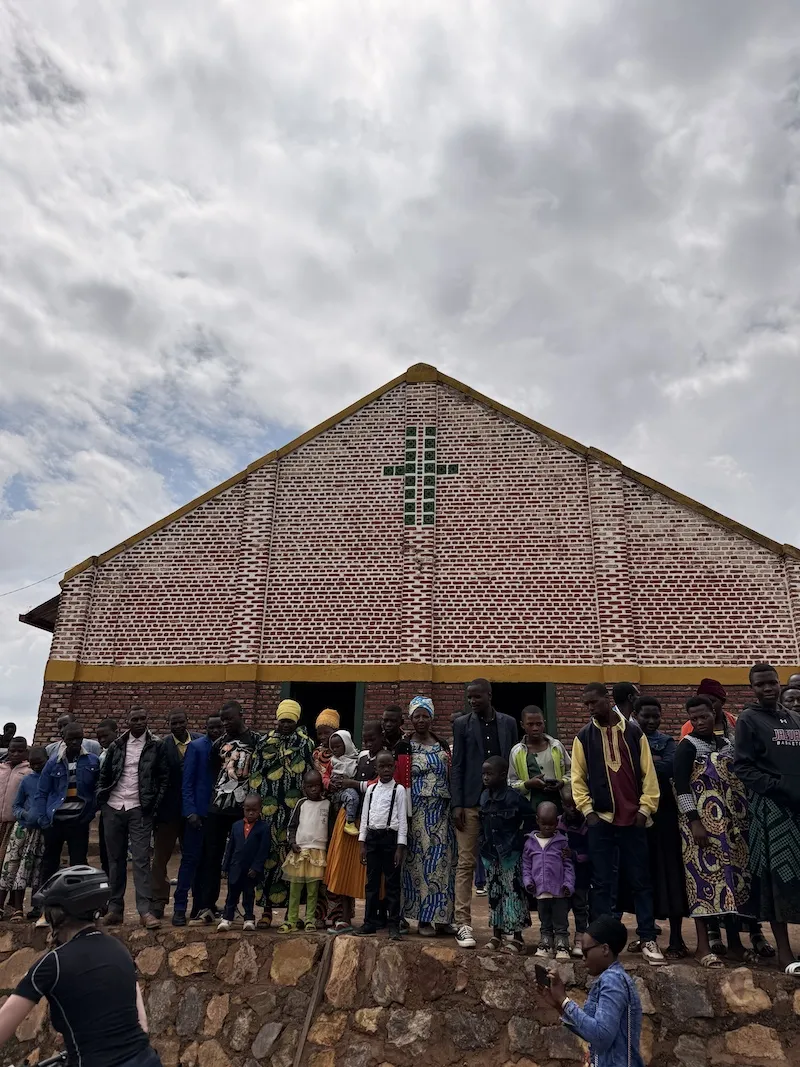
I woke before my alarm to the sound of a Tropical Boubou bird outside my tent and watched two grey crowned cranes crossing the marsh in the early light while drinking my morning coffee. The birds turned out to be one of the unexpected pleasures of the whole week. Rwanda has over 700 species, which are a beautiful part of the sound and colour of each day. Today was the longest ride of the trip, from Rugezi Marsh to Lake Ruhondo. We stopped mid-morning for coffee and fresh mangoes above two volcanoes in Volcanoes National Park. Then, as we cycled closer to a village on a Sunday morning, we heard singing from the road. A church was having its morning service and we were invited in. The singing, the colour, the warmth of being welcomed into something so completely unrehearsed made me very emotional. Our guide explained that the church has been central to community life in Rwanda for a long time, and that music is how people express their emotions.
Day 4 - La Locanda to Umutuzo
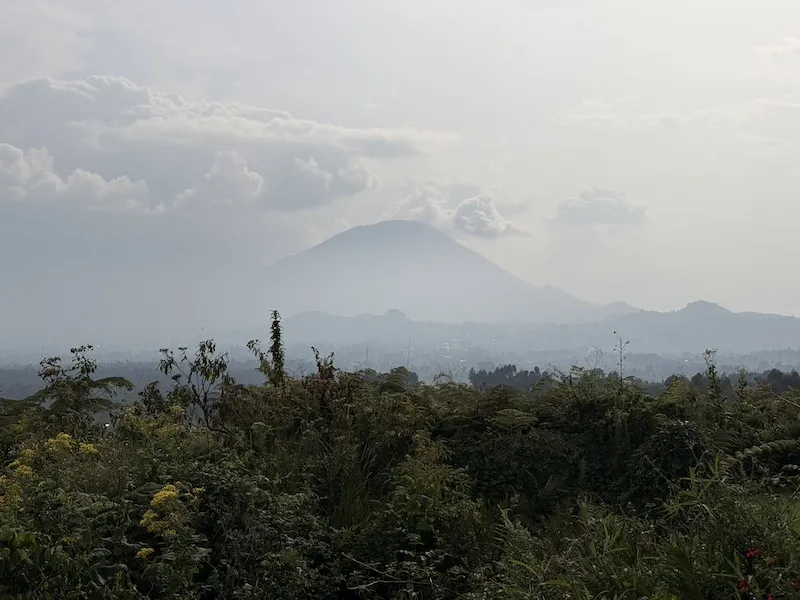
This morning, we left the island where we slept for the night and took the boat to the mainland. The view of the three volcanoes was misty but on land we could see in the distance the hustle, bustle and colours of the boats lined up on the shore. We walked up from the Twin Lakes toward Virunga Lodge, passing through villages with houses built as extensions of parents' homes as families grow. We saw the funeral procession of an 84-year-old man, his face printed on the T-shirts of those who had known him. You only pick up these details at bicycle pace. At the Virunga Lodge, we had lunch at 2,300 metres with a full view of the Twin Lakes. Then we descended toward Musanze, the country's second largest city, with the volcanoes growing closer as we rode. That evening, our guides told us the plan for tomorrow - the gorilla trek we've all been waiting for.
Day 5 - Volcanoes National Park - Gorilla Trek Day
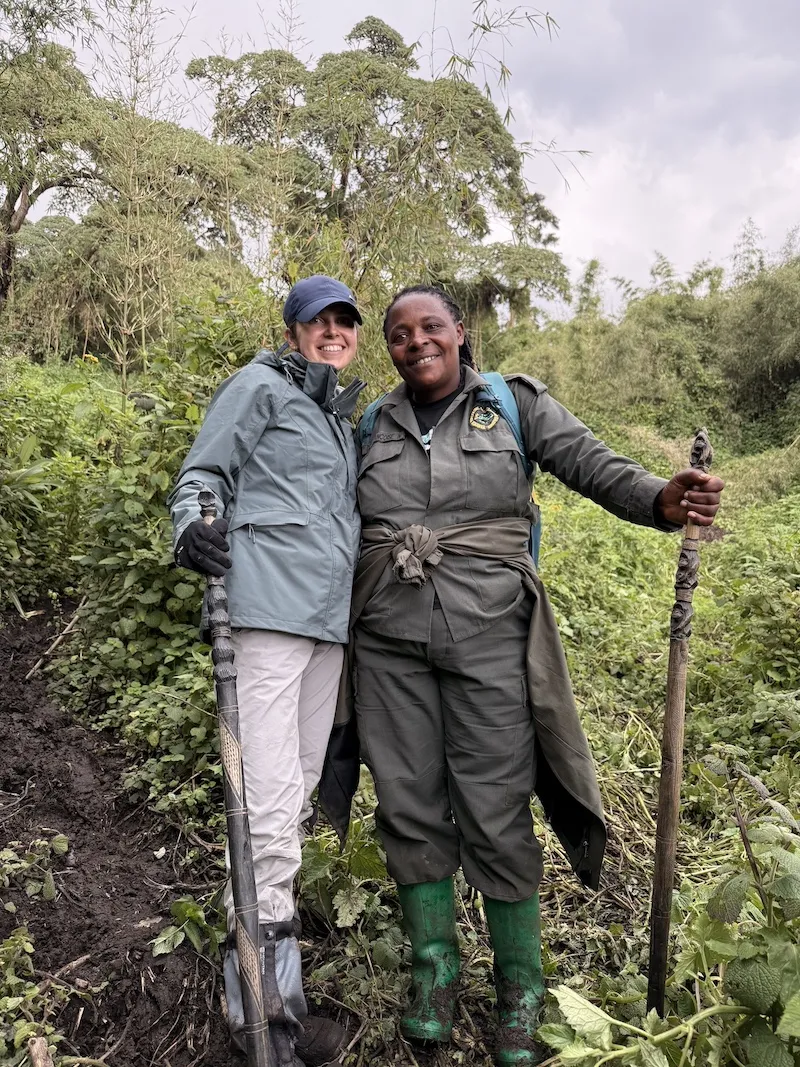
Today was the long-awaited gorilla trek. We set off early for Volcanoes National Park and were assigned to the Amahoro family, currently one of the largest gorilla groups in the mountains, with 22 members, including four silverbacks. Their nest was at 3,300 metres on the Karisimbi volcano. The walk through thick mud took around two hours, with a porter named Françoise who carried my bag and occasionally pulled me up the steeper sections by the hand. I had been told about the experience of meeting gorillas, but I still wasn't ready.
They were relaxing in the sun when we arrived, the younger ones playing, the dominant silverback Gahinga acknowledged us briefly. We spent an hour in their company, and what stayed with me afterwards was how peaceful they were. There was no aggression, no display for our benefit. They were just going about their day, eating vegetation, watching the young ones. Rwanda is one of the few places in the world where the mountain gorilla population is growing rather than declining. That is the result of decades of conservation work, community engagement and careful management. The gorilla permit fees go directly into protecting the park and supporting the communities that surround it.
Read Emelye's advice on things to know before you go. gorilla trekking.
Day 6 - Umutuzo to Kinunu Coffee Station
The final day of riding, from Lake Kivu to the Kinunu coffee station and back, was the most technically demanding of the week. But it was also the most beautiful. Lake Kivu sits at 1,460 metres and stretches for 89 kilometres. In the morning, it looks more like a sea than a lake. We rode through villages where people were transporting goods on their bikes and heads: bags of coffee weighing over 100 kilograms! At the Kinunu coffee washing station, Abento showed us the sorting and processing, explaining why lighter beans are lower quality and why the roasting time changes the caffeine content.
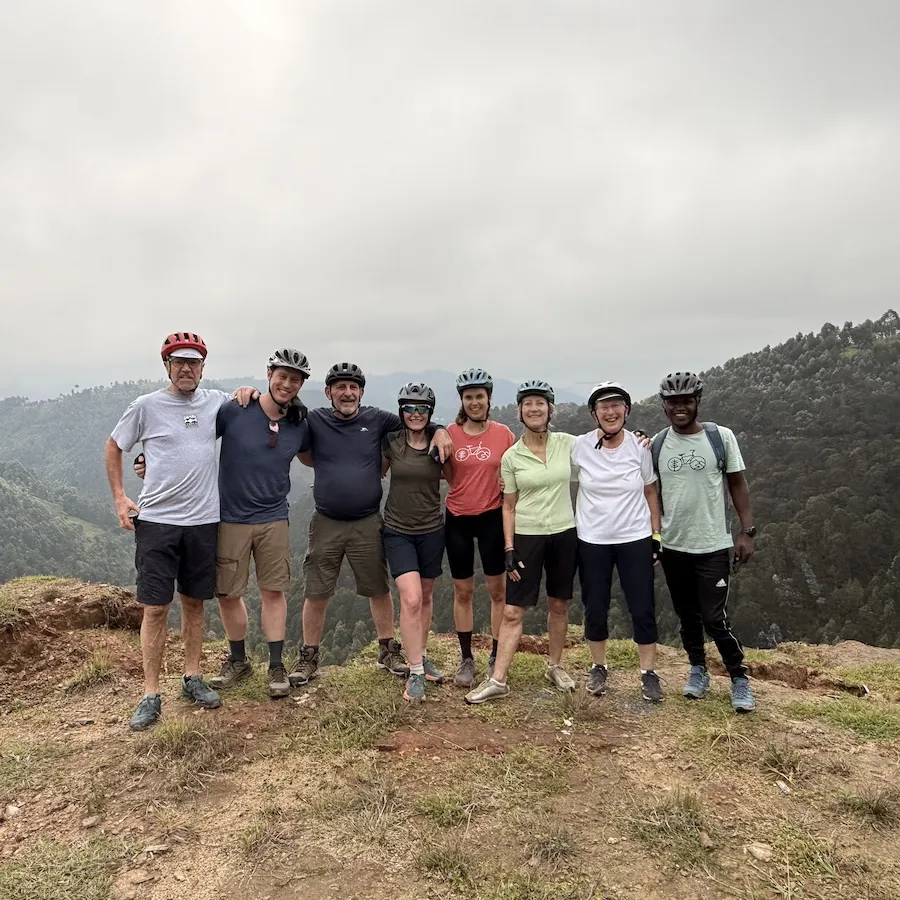
I rode the last stretch with three of my fellow guests. Coming over the top of a hill above the lake, watching the water open up below us, I understood why Oli wanted to bring people here. There is something about this country that stays with you. At the lodge that evening, a group of teenagers from Kivu Academy danced and sang for us on the terrace. I cried again, which was becoming a habit.
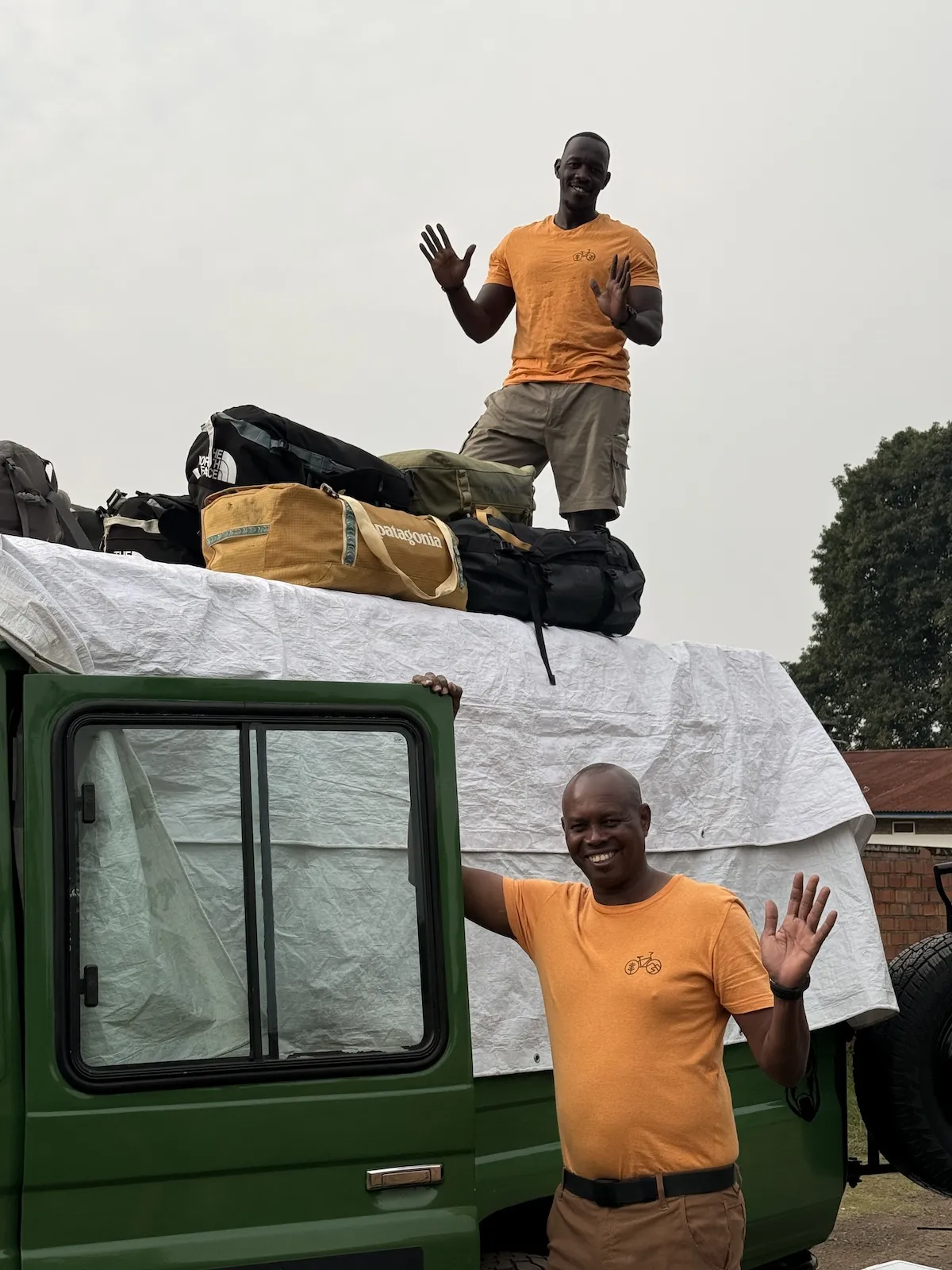
A trip like this is only as good as the team behind it. Jado and Godfrey have been guiding on these roads for years and they are the kind of guides who make the journey feel theirs as much as yours. Bella and Taylor hosted with warmth and good judgment. Emmy and Sedi drove us safely across the country and into more conversations than I can count. What they share, along with a lot of Rwandans I met across the week, is a quality that is hard to name; it is a genuine interest in exchange. In what you know and where you are from and what you think. Rwanda is a country that rewards curiosity in kind. That was the main thing I took away from this trip.
Want to find your own story in the mist? Explore our Rwandan Journeys to experience the Land of a Thousand Hills for yourself.