The Pioneering Women of Transylvania
In the heart of the Romanian countryside, history and culture is kept alive around kitchen tables and within the walls of centuries-old farmhouses. For our upcoming women-only trip, we wanted to look beyond the landscapes and focus on the individuals who are defining the spirit of the region. Celebrating the female artisans, guides, hosts, and entrepreneurs on our trips who are bridging the gap between ancient traditions and a modern future. In our previous blog, we wrote about the women who welcome us into their homes, and here we want to share the stories of the pioneering women we meet on our trips who are paving the way for the women of Transylvania.
Oana
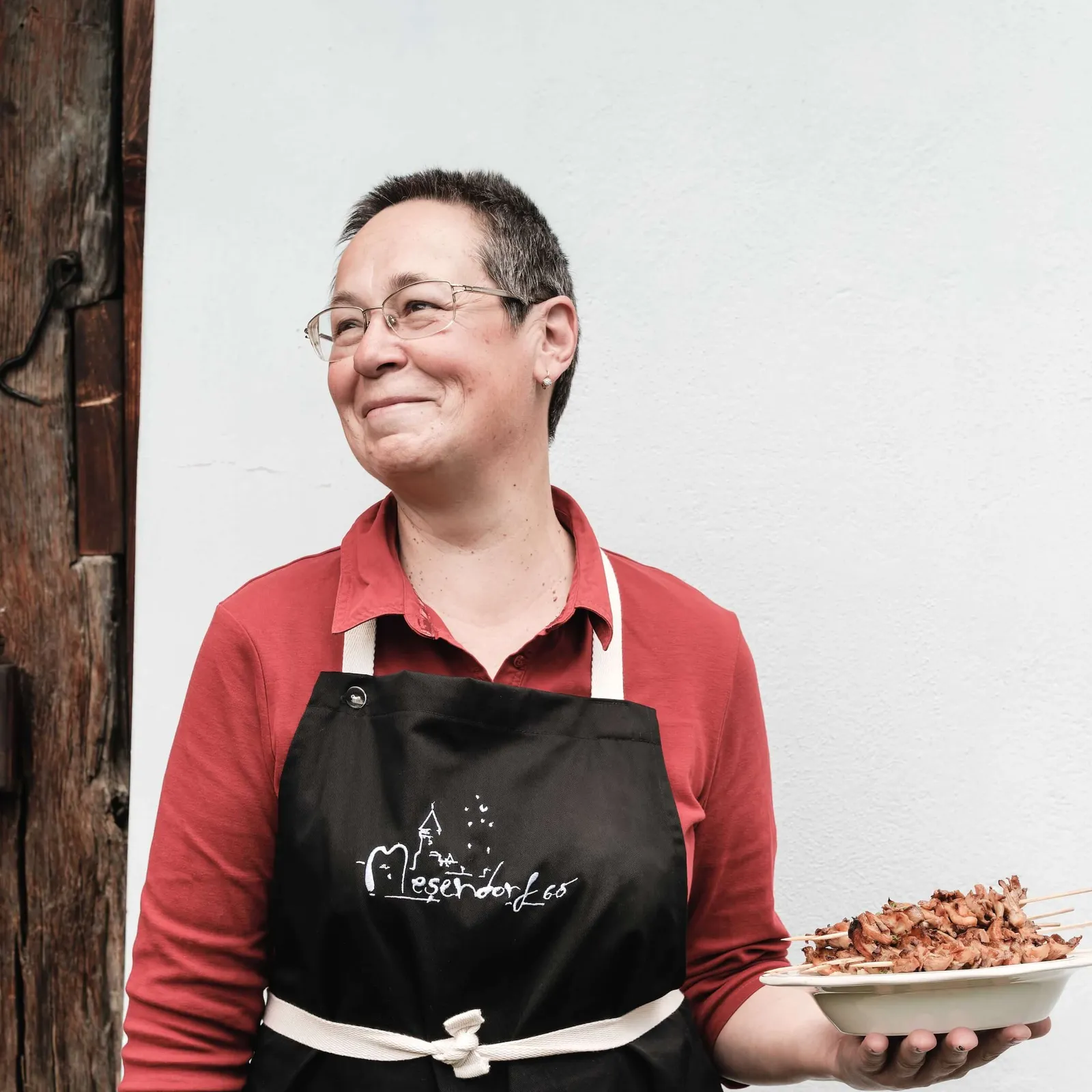
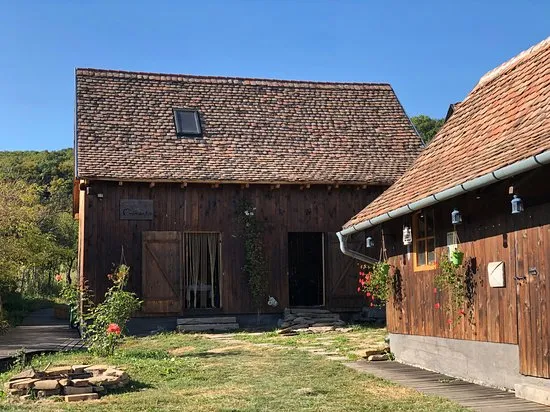
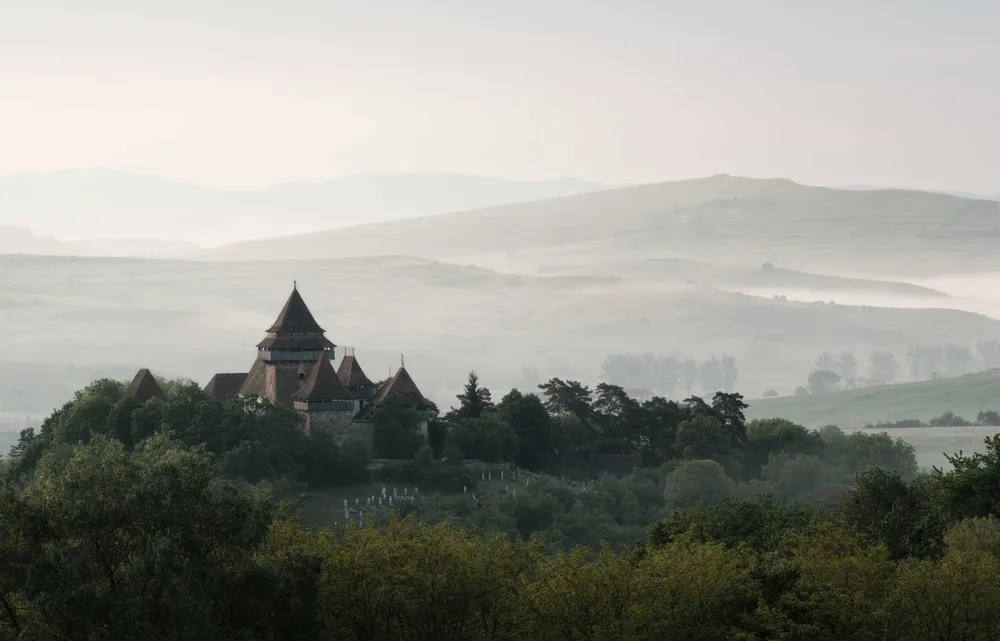
After years in the fast-paced world of Bucharest, Oana returned to her roots to breathe new life into the restaurant Meșendorf 65, pictured on the right in front of her beautifully restored Saxon farmstead. Now a sanctuary for food and heritage, her home serves as a gateway for guests to experience the authentic soul and slow rhythms of Transylvanian village life.
Why did you decide to leave your career in Bucharest and start a restaurant?
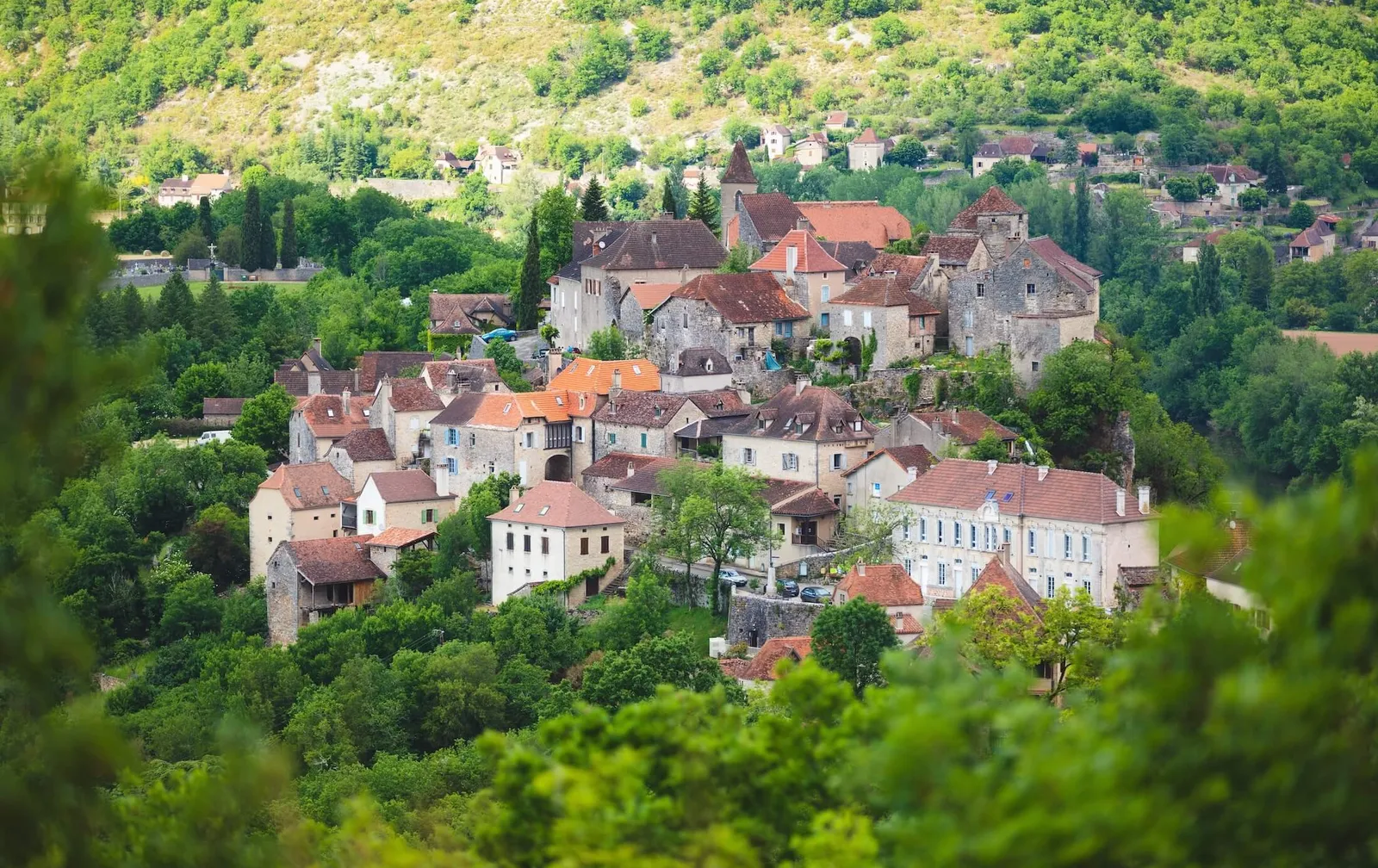
The decision to move here was more instinct than plan. From the outside, it probably looked abrupt, maybe even irrational but it came at the right moment; there was a growing distance between what we were doing in Bucharest and anything tangible. Here, things are immediate; you work with your hands, with ingredients that have a clear origin, with people you actually know. The garden is part of daily life; the landscape is not something you look at occasionally, it’s something you depend on. Being close to the fortified church and the old Saxon village gives a sense of continuity; you’re not starting from zero, you’re stepping into something that has been here for centuries. That connection to nature, to place, to a community with history changed the way we think about work. It made the move feel less like a break and more like a return to something more grounded.
How do you take traditional dishes and prepare them in a modern way?
The starting point is always going back as far as possible, taking old family recipes and local habits (Romanians, Saxon and Hungarian), looking at how things were actually cooked in households, not how they are presented today. From there, the changes are minimal; lighter textures, more precision, less excess, no reinterpretation for the sake of novelty, just cooking them properly and with attention. In many cases, “modern” simply means removing what doesn’t need to be there anymore.
What’s your favourite traditional Romanian dish?
Caraway soup, the way my grandmother used to make it. A clear, savoury broth, with a quiet depth that comes from caraway and patience rather than complexity; It’s a very honest dish, there’s nowhere to hide if it’s not done right.
What ingredients are most important in your cooking?
Everything follows the seasons, so the menu is never fixed; it shifts constantly depending on what’s available and at its best. Still, there are a few elements that define the place almost without intention: paprika, caraway seeds, and tarragon. They’re not used as signatures; they’re simply part of how food tastes here, part of the local DNA. Milk is just as important; we source raw milk from nearby farms, which is at the base of a lot of what we do, especially the cheese.
Beyond that, quality and sustainability go hand in hand. Working locally, using what is available in season, avoiding waste and keeping production at a scale we can control. It’s less about making a statement and more about doing things in a way that makes sense long term, for us and for the place.
What do you hope guests feel when they share a meal with you?
A sense of ease and no pressure to interpret anything, no performance around the food, just a meal that fits the place and the moment, when people slow down without being told to, when they stay at the table longer than planned, when conversations stretch, that usually says everything.
Meșendorf 65
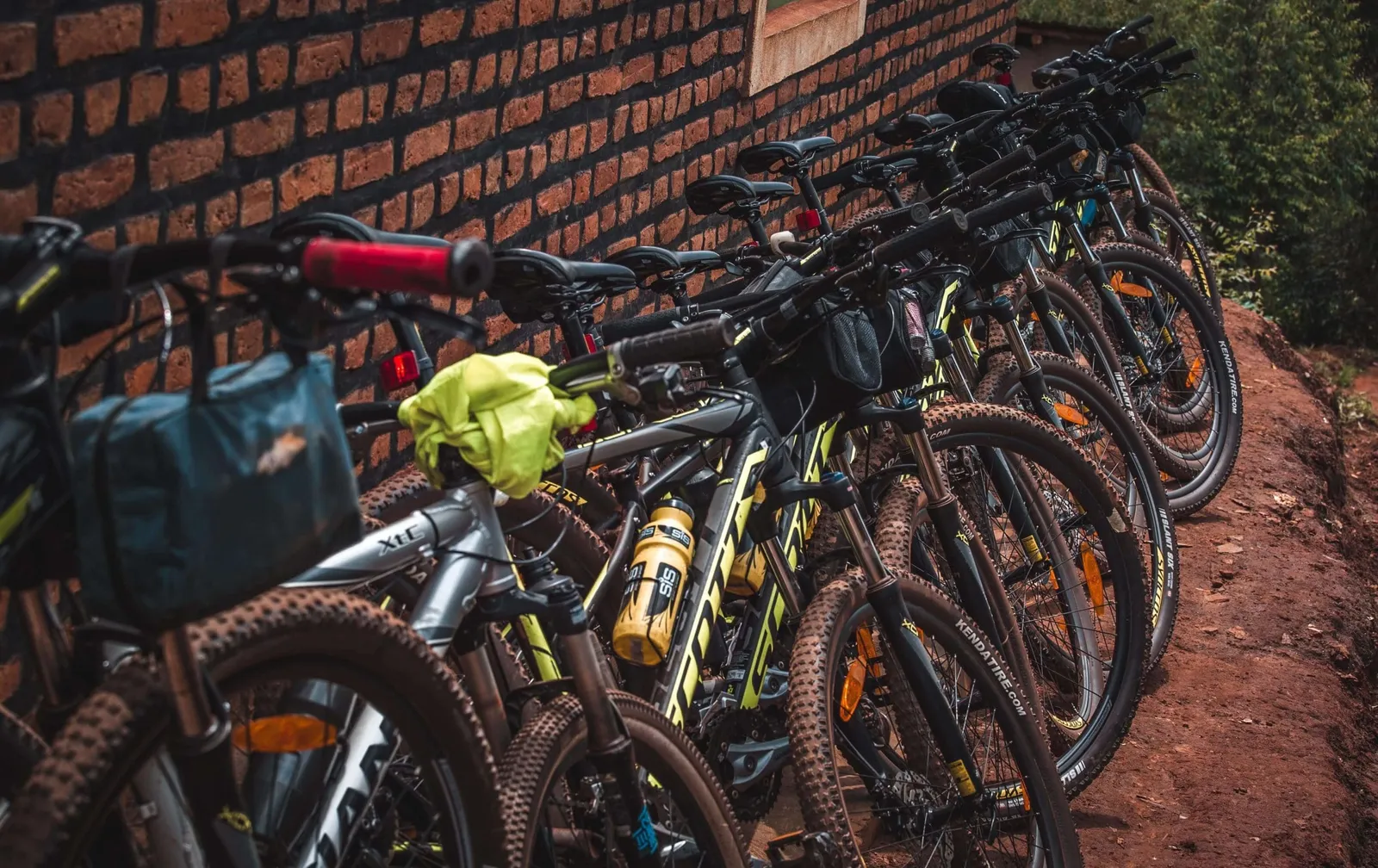
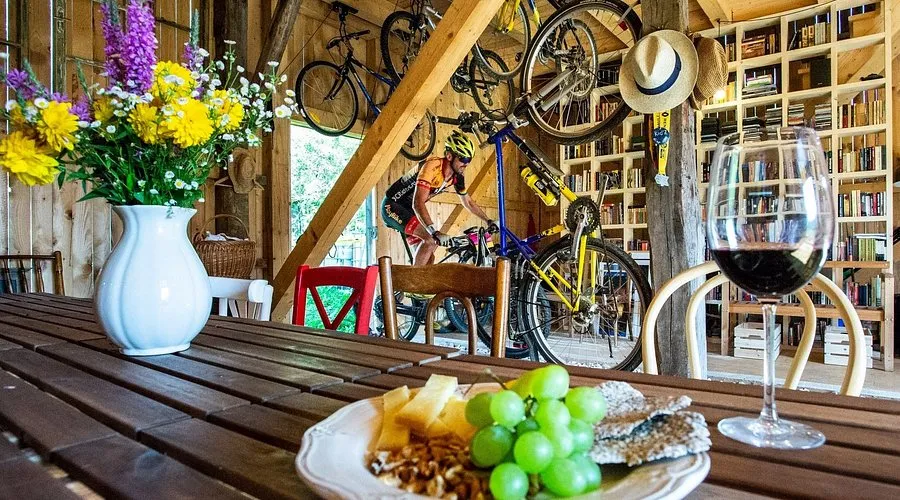
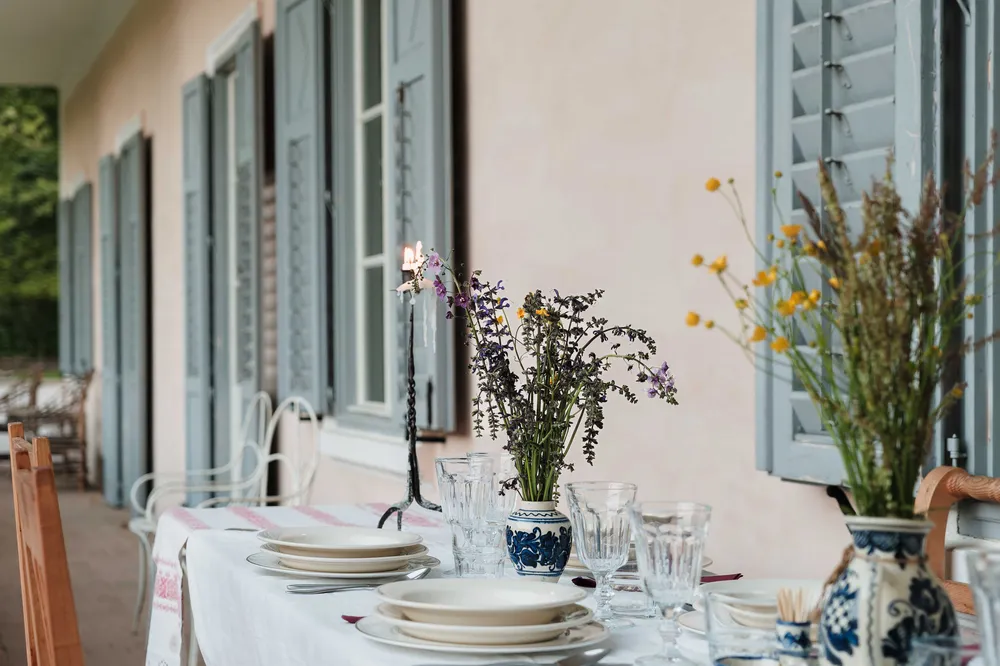
Oana's Meșendorf 65 Restaurant in Transylvania works on a small scale, closer to a household than to a restaurant. The menu is short and changes often, shaped by what comes from the village and the surrounding area. There’s no attempt to standardise the experience. The matured cheese started from access to very good raw milk locally. From there, it became a matter of working carefully and interfering as little as possible. Sustainability plays a quiet but constant role. It keeps things honest and manageable. Many guests, including Slow Cyclists, arrive by bicycle, which sets a certain rhythm. They come in with time, with appetite, and with curiosity. The fact that this approach has been acknowledged within the industry, most recently through a Best Concept Restaurant distinction at the HORECA Women Awards 2024, is a reassuring sign that doing things the slow, slightly stubborn way doesn’t go unnoticed.
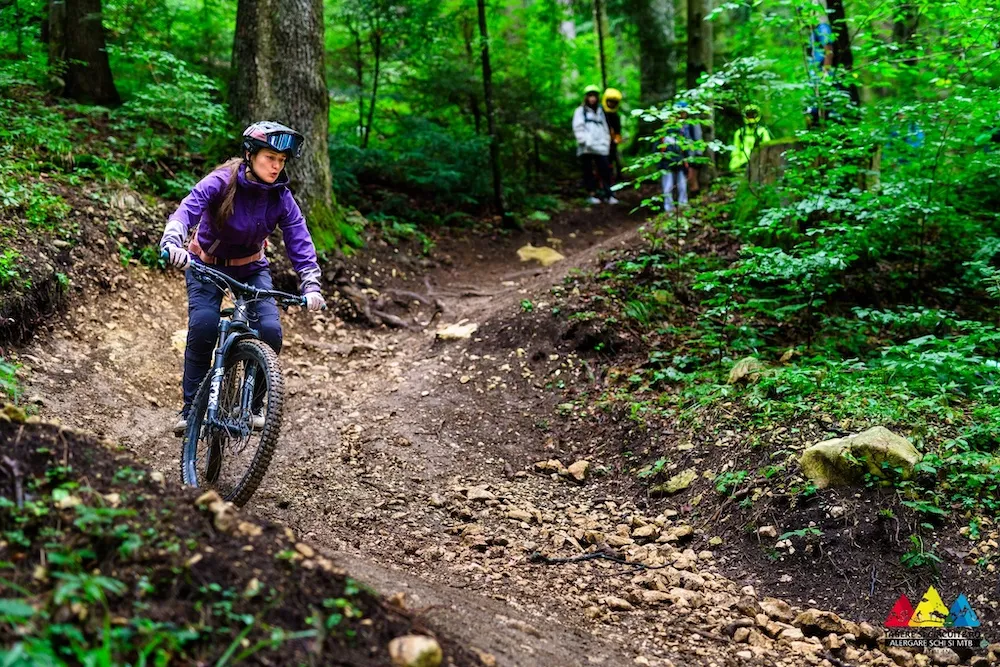
Teodora
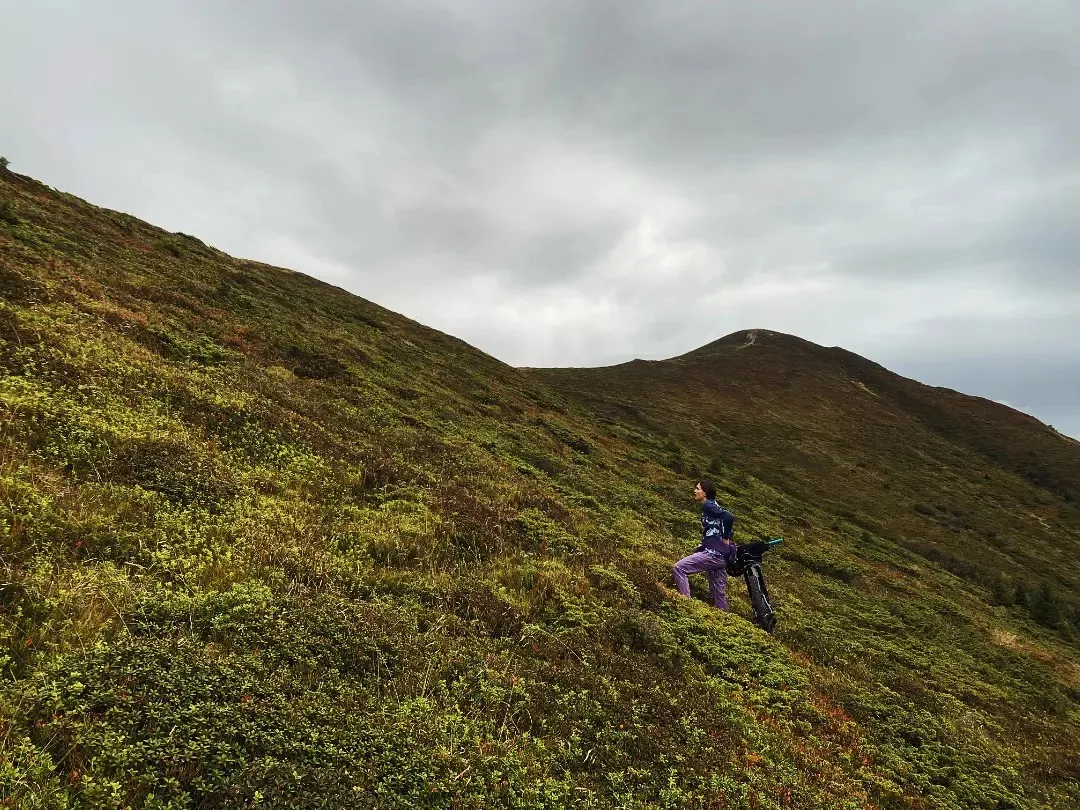
Teodora is our second female mountain bike in Transylvania, she'll be heading up the women-only tour of Transylvania alongside the brilliant Suzi. She was kind enough to share her story and insights about becoming a bike guide in Romania.
How did you become a mountain bike guide in Transylvania?
It started with a deep love for the outdoors and of the wild trails of my home. I spent years exploring the hills and mountains on foot, on skis and on two wheels. I realised that the only thing better than discovering these paths myself was sharing that beauty with others.
What do you like most about guiding tours here?
The "time travel" element. I love stepping back in time to places where it feels like life hasn't changed in centuries. Each time I feel like I can disconnect from day-to-day life and reconnect with nature.
What are the best places to ride in Transylvania?
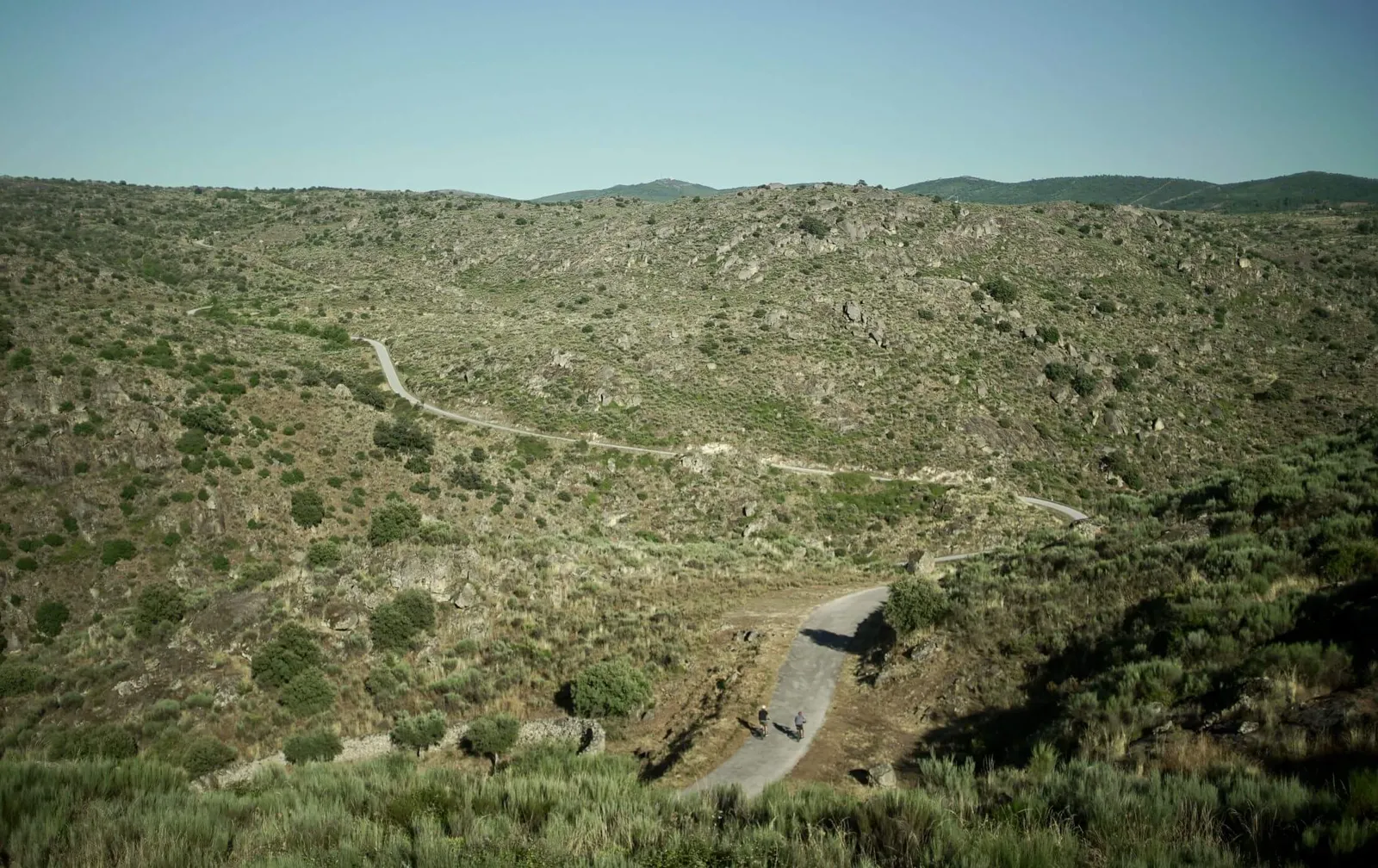
It depends on everyone's preferences. I personally really enjoy technical terrain, but I definitely love the chill, hilly areas around the iconic Saxon villages. Also, the trails at the foot of the Făgăraș mountains offer breathtaking views of the ridges and dense, ancient forests.
Is it safe for beginners to ride the trails here?
Absolutely! Transylvania is incredibly versatile. While we have rugged terrain for experts, we have endless networks of grassy cart tracks and forest roads that are perfect for beginners to build confidence while soaking in the views.
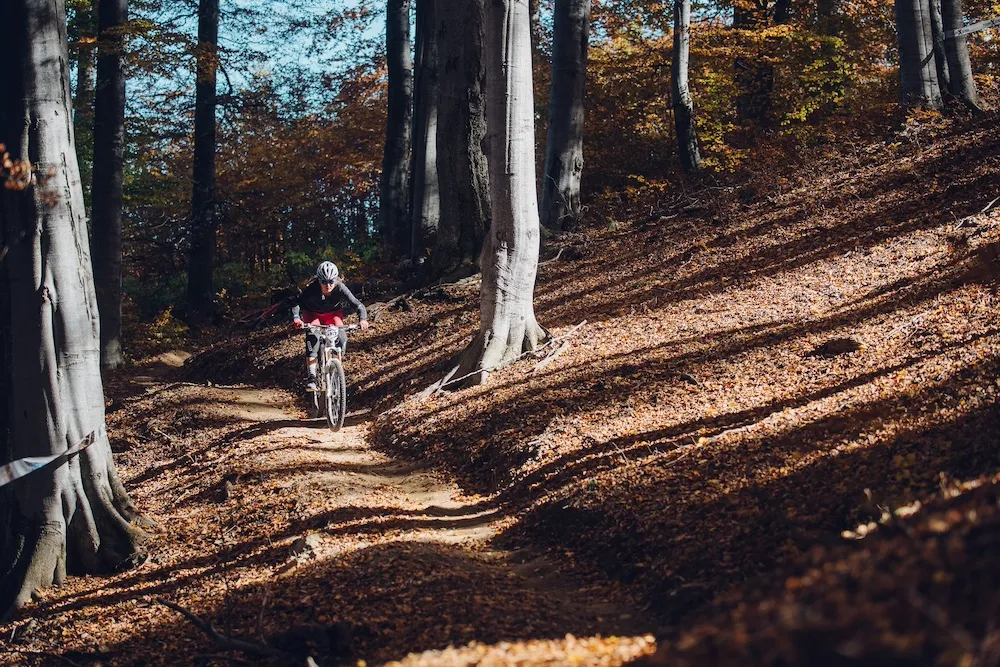
What should tourists bring when they go mountain biking?
Water, snacks, and layers are key; the weather in the hills can be unpredictable. And obviously, an open heart to discover this incredible world and connect with the locals we meet along the way.
What is the most beautiful area you show to visitors?
That’s a tough one, but the meadows during wildflower season are hard to beat. It’s like riding through a living painting.
Do you see a lot of wildlife on your tours?
Yes, we often see deer, various birds of prey, and occasionally traces of more elusive residents like brown bears or wolves. It’s a reminder that we are guests in a truly wild and preserved ecosystem. I love being so close to nature and connecting with it every time I'm out there.
What advice do you give to people who are new to mountain biking?
Don't focus on the front wheel; look ahead at where you want to go. Trust your bike, breathe in the fresh air, enjoy the views, and remember that slow cycling is the best way to see the world.
We love celebrating the women of Transylvania and witnessing the legacy of female entrepreneurship and passion that is carving its way in this historic landscape. Ready to meet them for yourself? Secure your spot on our By Women, For Women Transylvanian adventure today.