The Wine Of Quercy
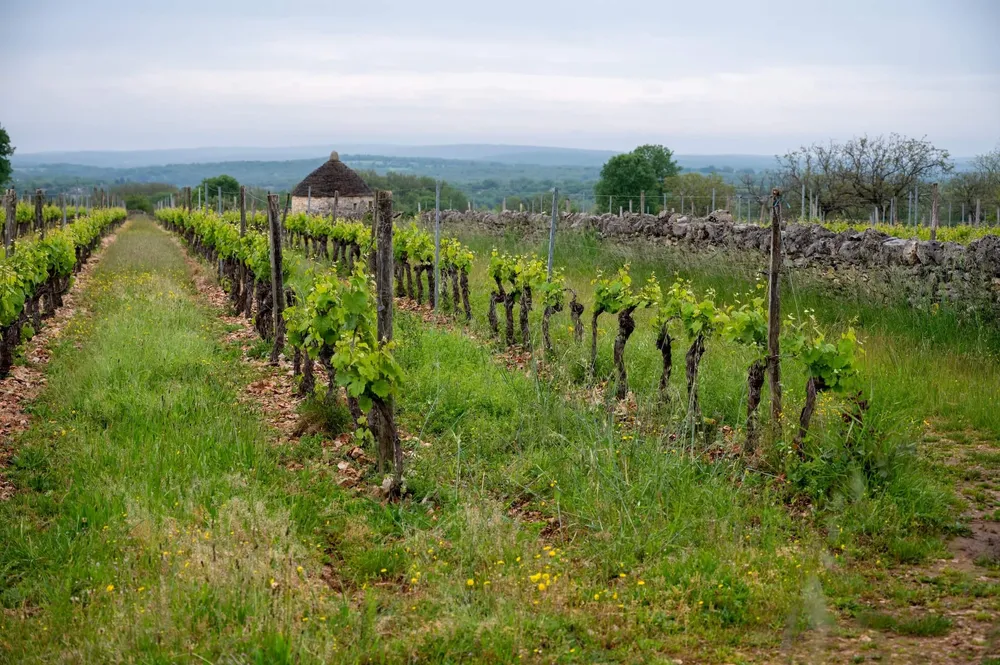
The Slow Cyclist’s first ever journey into France was always destined to be an immersion in the exceptional food and wine this country is so famous for. Quercy is central to the story of French wine, tucked away in the Lot Valley in South West France; it's an unexplored culinary treasure chest. Famous as the birthplace of Malbec wine and for its beautiful vineyards, it offers a unique insight into French wine culture.
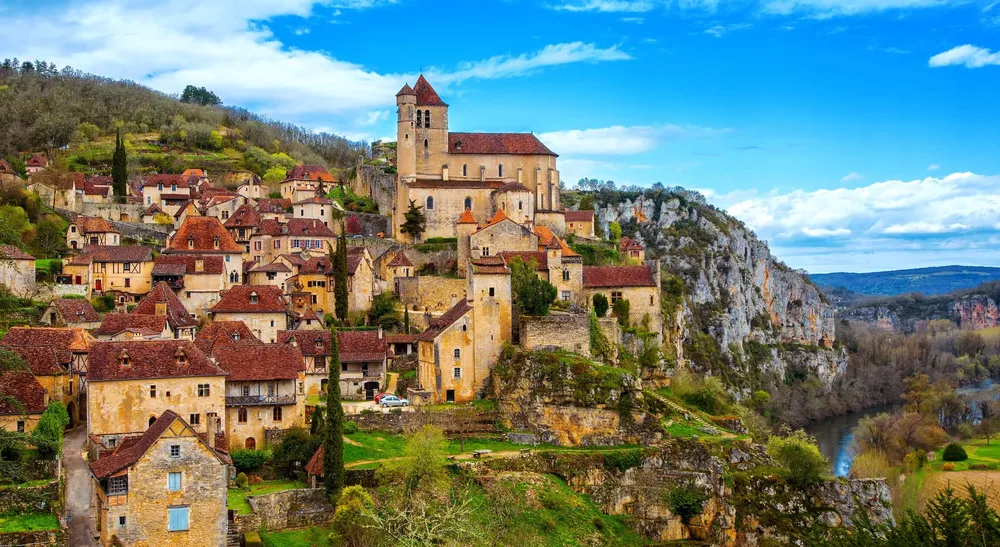
In the heart of southwest France, surrounding the Lot and Célé rivers, lies Quercy, a landscape of rolling limestone plateaux, medieval villages and sun-kissed valleys that have shaped its wines for centuries. This historic region, once a stronghold of the Counts of Toulouse and an important trading crossroads, is today a quietly captivating destination for lovers of authentic French wine and countryside.
At its centre stands Cahors, a town whose name is inseparable from the Malbec grape. Known locally as Côt, Malbec has been cultivated here since Roman times, long before it found fame in Argentina. The deep, gravelly soils of the Lot Valley and the drier limestone slopes above it give Cahors wines their distinctive character dark, structured and full of ripe black fruit.
Surrounding Cahors, the wider Quercy region produces wines under the Coteaux du Quercy IGP, offering a lighter, more approachable expression of the same landscape. Here, blends of Cabernet Franc, Merlot, and Malbec reflect the diversity of the local terroir, capturing the balance between tradition and modernity that defines this corner of France.
Quercy Malbec
The ancient town of Cahors remains France’s leading producer of this variety of Malbec. Malbec from Cahors is unlike the plush, fruit-forward styles found elsewhere; its deep colour and intensity have led it to be known as “the Black Wine of France.”
The wines of Quercy can be broadly divided into two varieties: the bold, inky black wine of Cahors, and the more rustic, approachable blends from the surrounding coteaux, or hillsides. The latter, produced under the Coteaux du Quercy IGP, often combines Cabernet Franc, Merlot, and Malbec to create supple, food-friendly wines that reflect the warmth and simplicity of rural life.
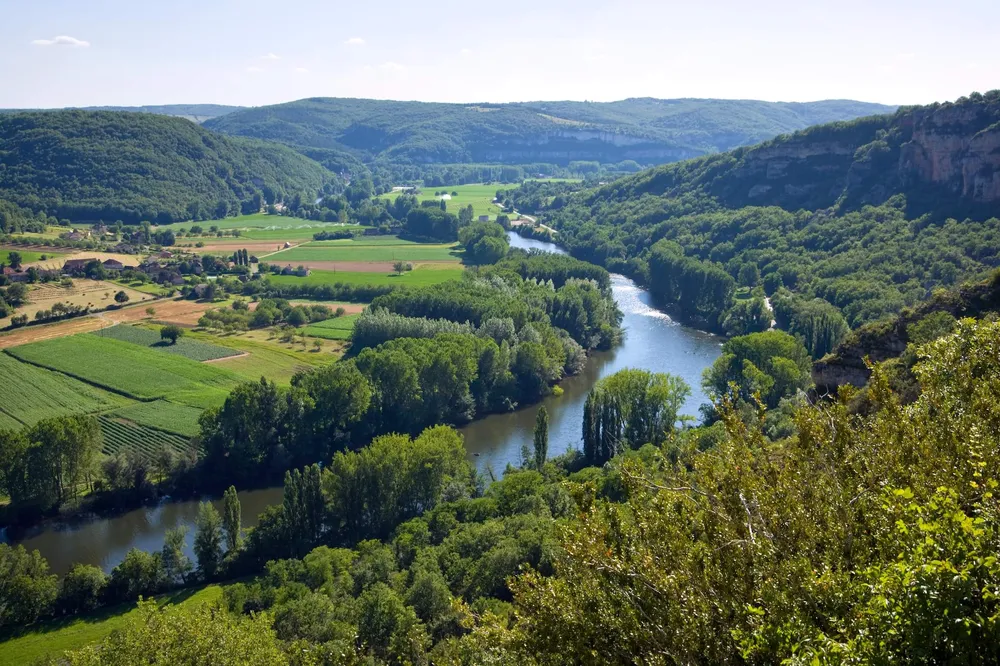
The Lot Valley has shaped both the landscape and the prosperity of this region. From the Renaissance onwards, these vineyards brought wealth and recognition to Cahors. The reputation of its Malbec reached far beyond France, it was said to be favoured by the popes in Avignon and later by the tsars of Russia. Its journey to fame followed the course of the Lot River, carried downstream on flat-bottomed boats known as gabarres. Laden with casks of black wine, timber, and walnuts, they sailed towards Bordeaux, where the wines were shipped across Europe and established Cahors as one of France’s great historic wine regions.
Today, the wines of Quercy and Cahors remain a testament to that legacy, rich in heritage, deeply tied to the land, and unmistakably shaped by the limestone soils and sunlight of the southwest.
Flavour Profile
To appreciate the wines of Quercy and understand how they differ from Malbecs produced elsewhere, such as in Argentina, it’s important to know more about the grapes themselves. The main grape used here is Malbec, known locally as “Côt” or “Auxerrois.” According to the Appellation d'Origine Contrôlée (AOC) regulations, at least 70% of the blend must be Malbec for the wine to be labeled as Cahors. It’s often complemented by small amounts of Merlot, which lends softness and ripe, fruity notes, or Tannat, which contributes extra structure and tannin.
The resulting wines are markedly distinct from their Argentine counterparts. While Argentine Malbecs are typically smooth and fruit-driven, the Malbecs of Quercy are more savory and earthy, offering complex notes of blackberry, black plum, leather, tobacco, damp earth, and black pepper. They are known for their firm, robust tannins and a pronounced backbone of acidity, giving them a structure that makes them both age-worthy and deeply expressive of their terroir.
Understanding Cahors Wines
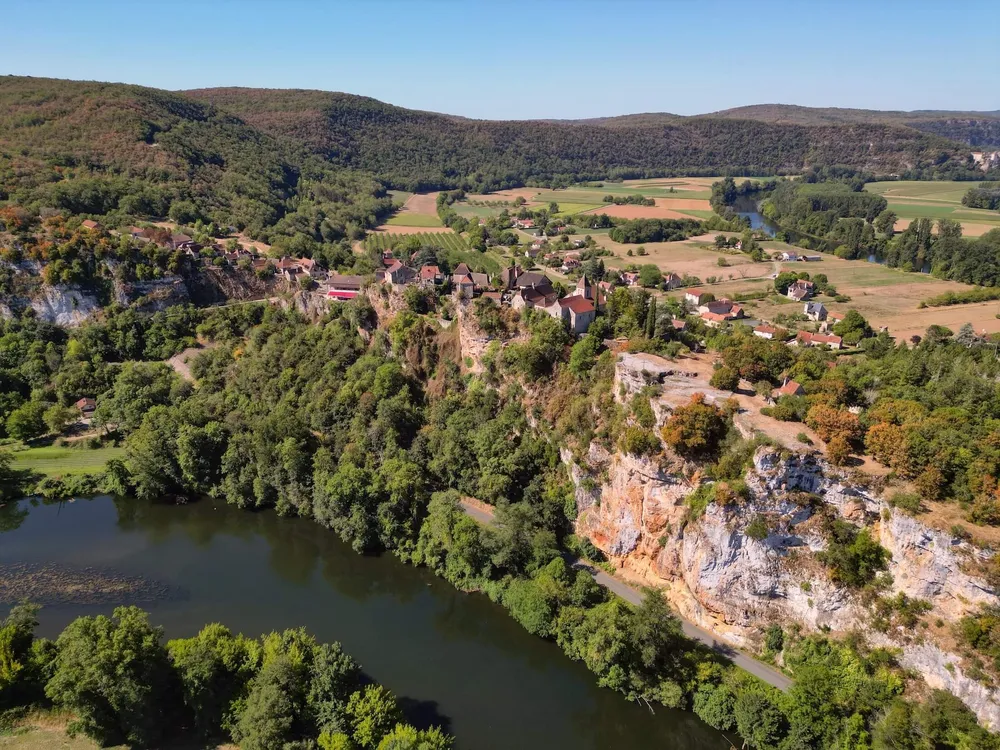
To help you navigate the different styles of Cahors wine, it’s not about aging classifications (like in Rioja) but all about the terroir, the distinctive character of each wine defined by how and where it is grown. The Lot river valley creates three distinct terraces that define the wine's character.
First Terrace (The Valley): Closest to the river, with fertile, sandy soils. These wines are the fruitiest, softest, and most approachable, designed to be enjoyed young.
Second Terrace: Slightly higher up on clay and gravel, these wines have more structure and concentration and can age for several years.
Third Terrace (The Causse): The highest limestone plateaus, far from the river. This is the historic heart of the "black wine," producing the most powerful, tannic, and long-lived wines that can evolve for decades.
The Delicacies Of Quercy
Quercy's culinary delicacies extend far beyond its renowned vineyards. It is famed for the prized black truffle, carefully hunted beneath the shade of oak forests, as well as decadent dishes such as confit de canard. The area also produces earthy walnuts, sweet fresh figs, and rich foie gras, all of which can be found in the bustling markets around Cahors. A journey through Quercy is incomplete without sampling its distinctive wines, best discovered by wandering quiet lanes through farmland and villages, visiting family-owned vineyards, and meeting the winemakers who bring these wines to life. Beyond wine, the region’s gastronomy shines in dishes like duck prepared in all its glorious forms, confit, magret, and cassoulet as well as savoury tarts made with local walnuts, offering a true taste of Quercy’s rich culinary heritage.
If you've been inspired to sample the wines of Quercy, find out more about our cycling tours in France or talk to us about putting together a private trip.