The Black and White Villages of Herefordshire
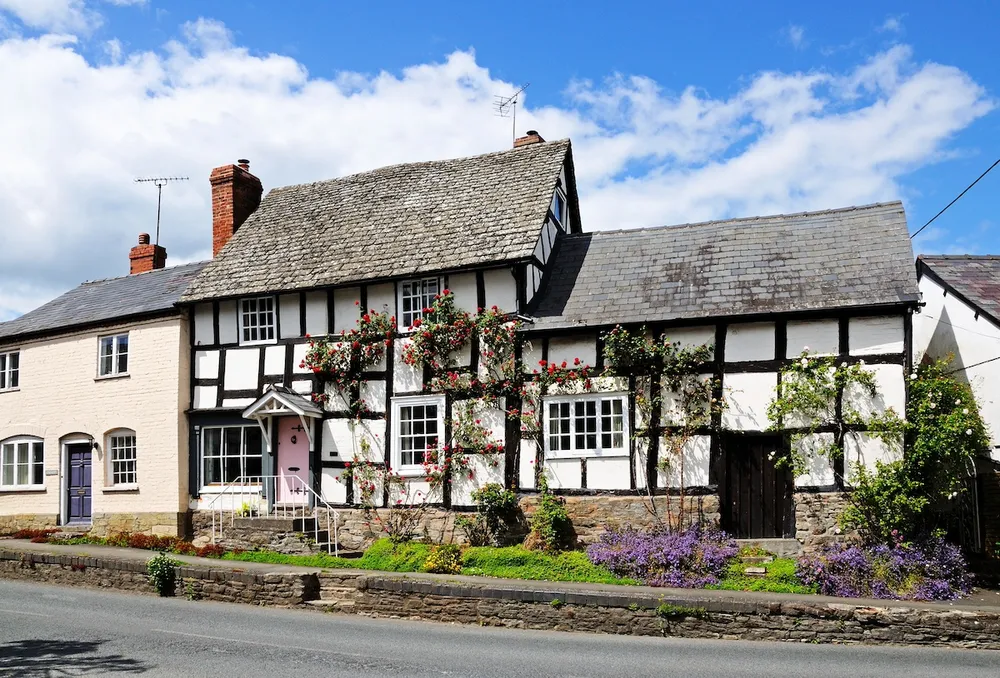
Steeped in history and quintessentially English, the Black and White villages of Herefordshire offer a vision of the British countryside that feels frozen in time. Herefordshire’s landscape of rolling hills, meandering rivers, orchards and vineyards has been shaped by this unique architecture. The dark oak timber frames and vivid white plaster facades adorn a variety of buildings, from classic houses to ancient market halls and humble old schoolhouses.
What are Black and White Villages?
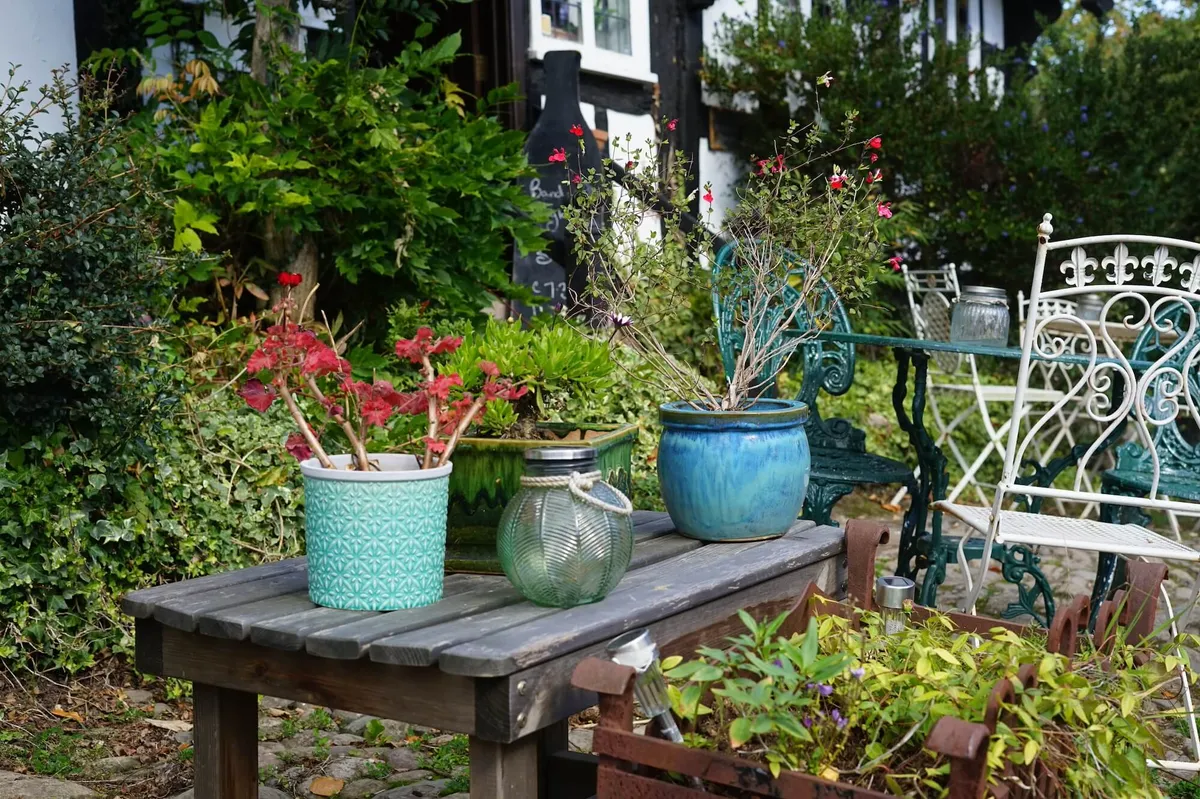
These are the true ‘chocolate box’ English cottages, traditional countryside buildings with quaint house names that hint at bygone trades of those who lived in them and gardens that spill over with wildflowers and English roses. Much of the history of these villages has unfortunately been lost to the passage of time. Because these were modest rural settlements, detailed documentation was either never recorded or has long since vanished. However, the buildings themselves tell much of the story. We know that the majority of these timber-framed masterpieces were raised between the 15th and 17th centuries, spanning the late medieval and Tudor periods, a testament to a craftsmanship that has outlived the written record. Today, many of the buildings have been reimagined and renovated for modern purposes as boutique B&Bs, art galleries and cafes.
The History of the Black and White Villages
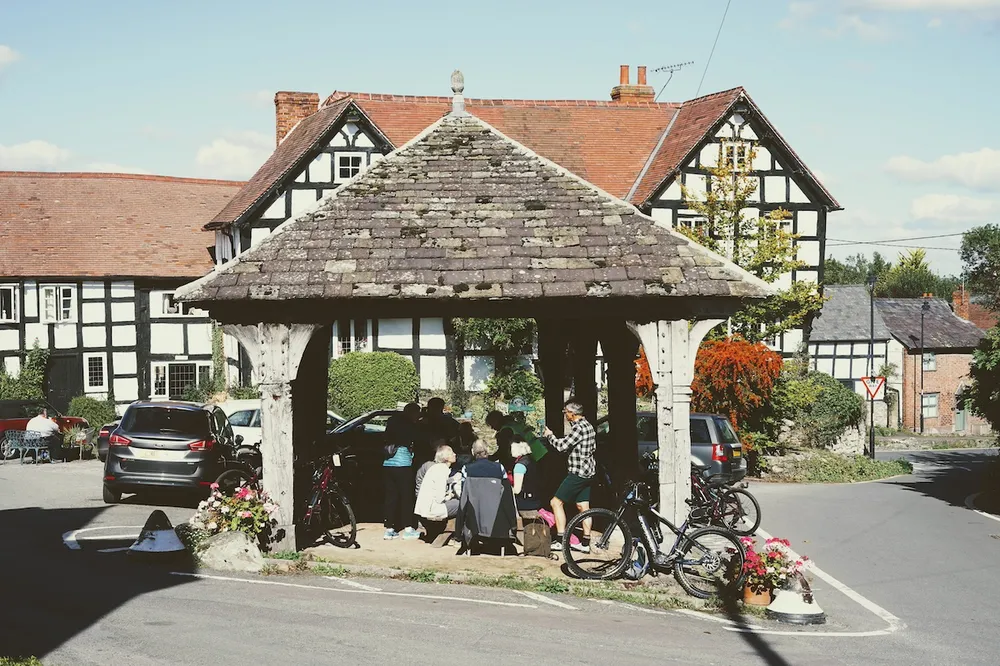
These villages define the region’s aesthetic identity, famous for their exposed structural frameworks of blackened oak set against stark white plaster. This iconic monochrome appearance was a Victorian fashion; originally, the oak beams were weathered to a natural silver-grey and the panels were then painted in soft earthy tones of ochre or pink. It was 19th-century romanticism that introduced the pitch and tar technique, creating the black and white design that has become synonymous with the British countryside today.
Beyond the paintwork, the buildings reveal an evolution of construction that spans centuries. While they may appear Tudor in style, many of the buildings date back to the 16th century; they range from humble medieval 'Cruck' cottages, resembling upturned ships with their curved timbers, to the rigid grid patterns of box-framed houses. Wealthier yeomen commissioned grand Wealden hall houses with imposing central halls, while many structures feature ‘jettied’ upper floors. This architectural trick, designed to maximise space and protect the lower walls from rain, creates the intimate, shadowed lanes that make cycling in Herefordshire such an atmospheric experience.
Where are the Black and White Villages?
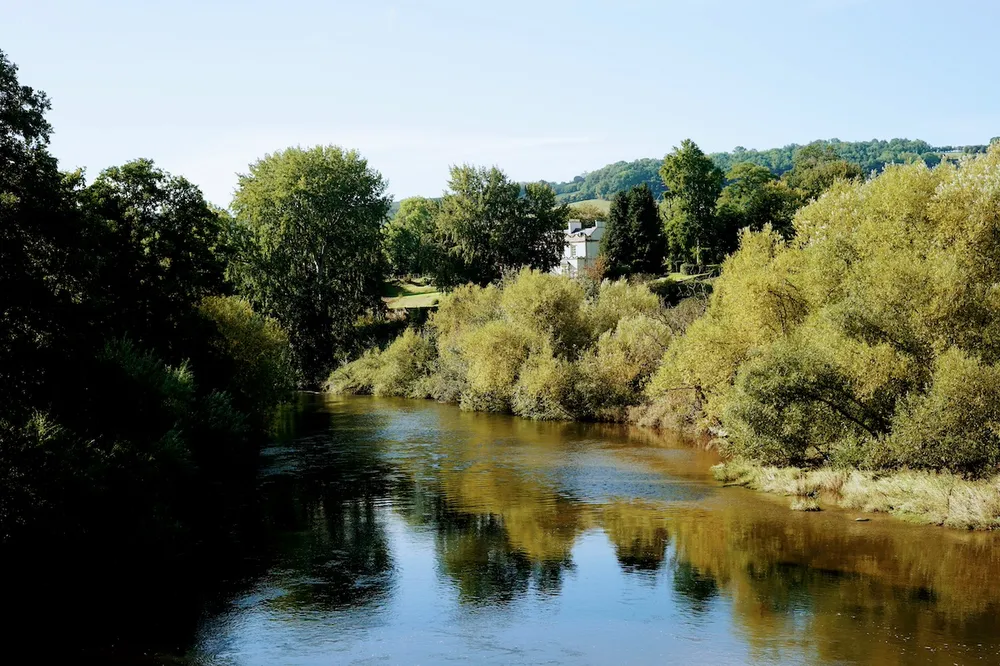
The famous Black and White Villages are scattered across Herefordshire and the Welsh borders. While timber-framed architecture can be found throughout the county, a specific cluster of settlements lying north of the River Wye is renowned for its exceptional concentration of these preserved structures.
Weobley - Pronounced “Web-lee”
This village is arguably the architectural capital of the Black and White Village trail and a thriving hub of the Herefordshire countryside. It is a place of significant structural variety, boasting classic Cruck cottages and larger Wealden houses. Of particular note is the striking pink and black house, a rare deviation from the monochrome norm, and the magnificent Church of St Peter and St Paul.
Pembridge
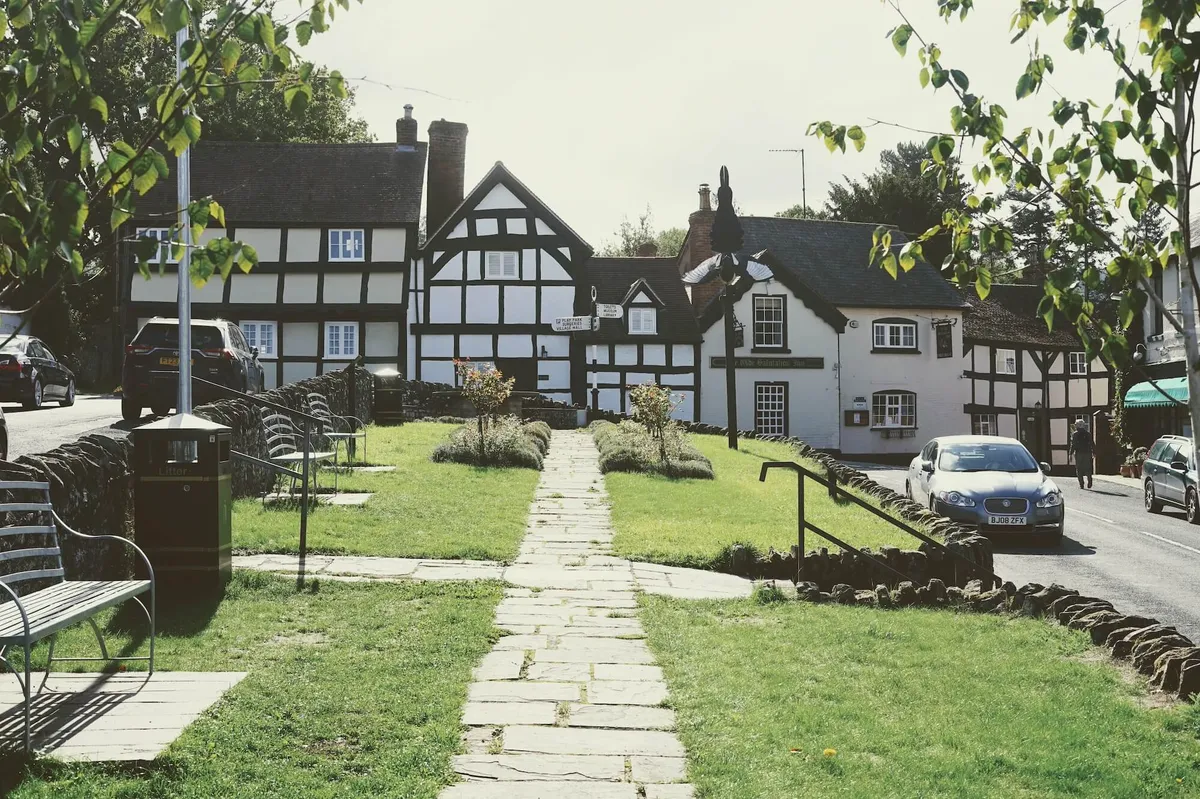
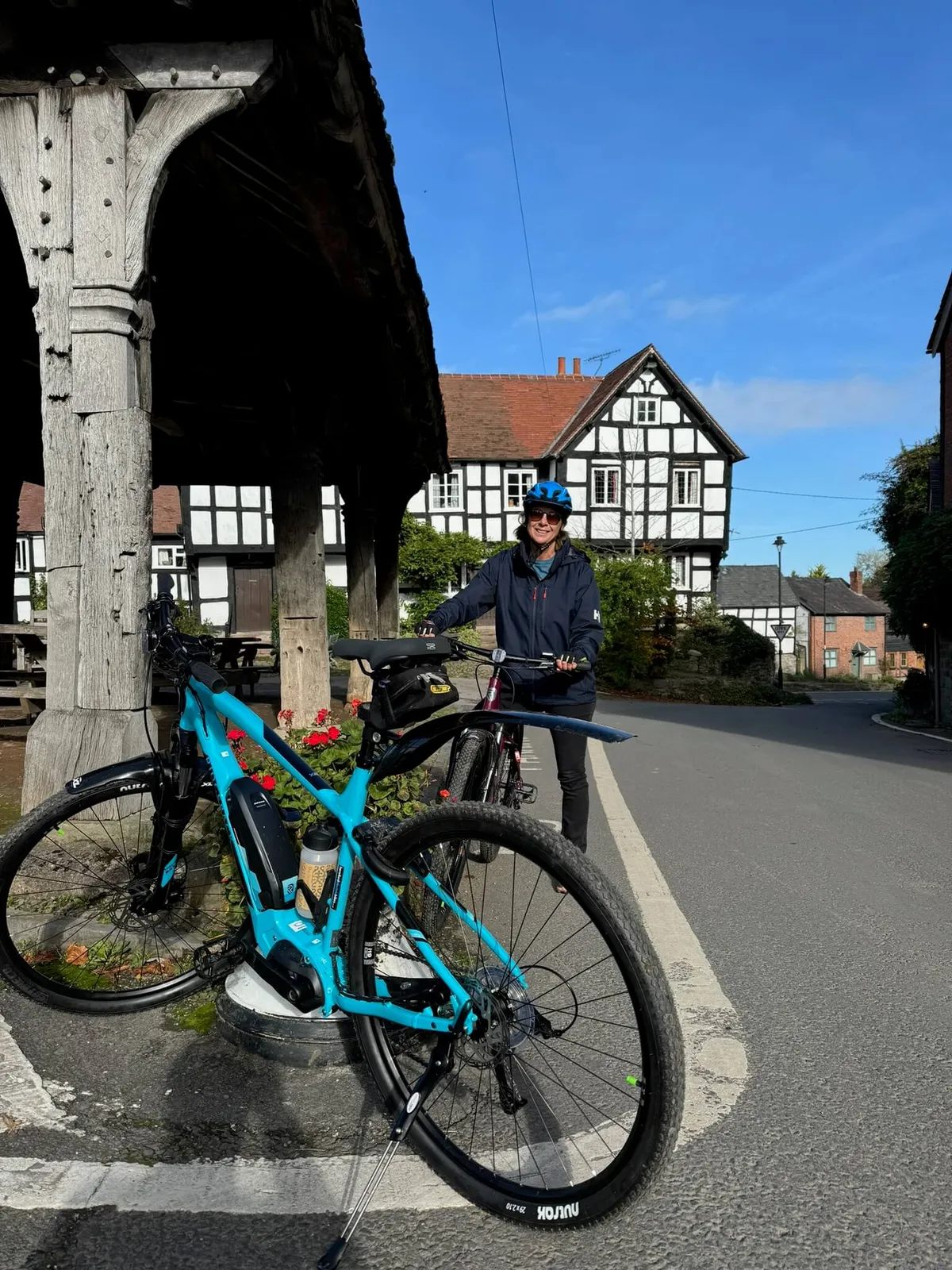
Often described as the jewel in the crown of the trail, Pembridge is a vibrant village of timber-framed buildings. At its heart stands the 16th-century Market Hall, an open-sided structure supported by eight heavy oak posts, originally used by merchants to sell their wares. Just steps away, St Mary’s Church features a detached belfry, a rarity in English ecclesiastical architecture, built almost entirely of timber. Visitors should also look for the Almshouses and the characterful New Inn; despite its name, it is over 700 years old and offers a perfect stop for Herefordshire food and ale.
Eardisland
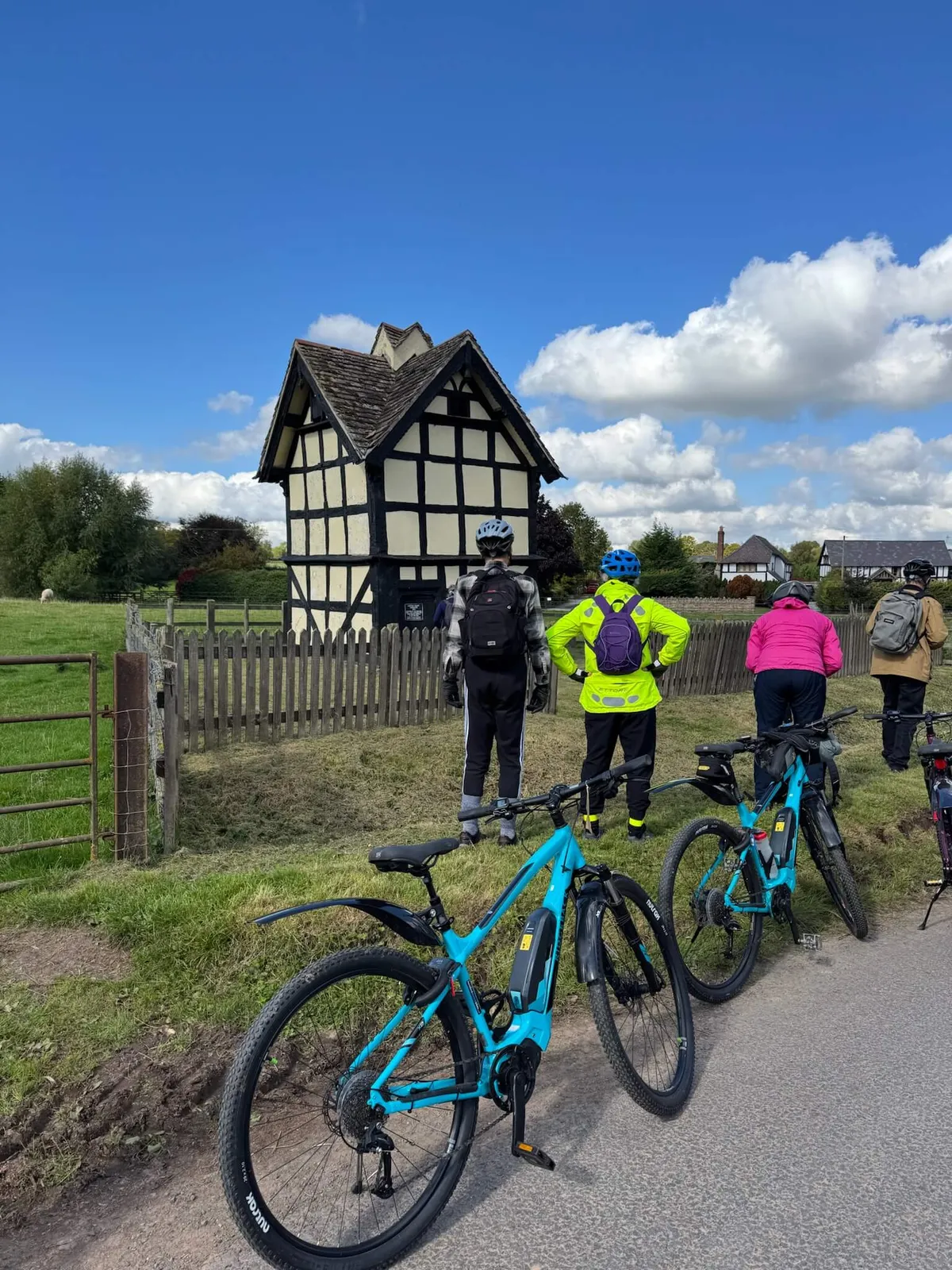
Eardisland is known for its riverside beauty. The village sits on the banks of the River Arrow, offering idyllic picnic spots and opportunities for photography. Uniquely, Eardisland features thatched black and white houses and the Old School House, which still retains its original whipping post, and the 17th-century riverside Dovecote, which now serves as a community shop. Traces of the industrial past can be found in the route of the 19th-century horse-drawn tramway that once transported Welsh coal here. Just a short distance away on Hurstway Common stands one of the oldest oak trees in England.
Leominster - Pronounced "Lem-ster"
The traditional start or end point of the Black and White trail is Leominster, it's a bustling market town rather than a village, and a haven for collectors, rich in antique shops and independent boutiques.
Dilwyn
The name Dilwyn comes from the Old English for a hidden place. It is a village centred around a classic village green surrounded by black and white cottages and a fine church.
Herefordshire on Screen: A Shakespearian Backdrop
The timeless authenticity of these villages recently caught the eye of cinema scouts searching for the perfect Elizabethan setting. The crooked timbers and leaning facades of Herefordshire, specifically Weobley and Pembridge, were chosen as primary filming locations for the upcoming movie adaptation of Maggie O'Farrell's Hamnet, starring Jessie Buckley and Paul Mescal. The settlements provided a readymade set for Shakespeare’s world, requiring almost no dressing to transport viewers back to the 16th century.
Curious to discover the Black and White Villages for yourself? Experience authentic Herefordshire on our scheduled or private cycling journeys.