Gorilla Trekking in Rwanda: Things to Know Before You Go
By Emelye, Guest Experience Specialist
Last month, I had the pleasure of visiting Rwanda for the first time, joining our Volcanoes and Gorillas trip. My journey was a blur of vibrant colours, smiling faces and sprawling green landscapes, but a real highlight was gorilla trekking in Volcanoes National Park.
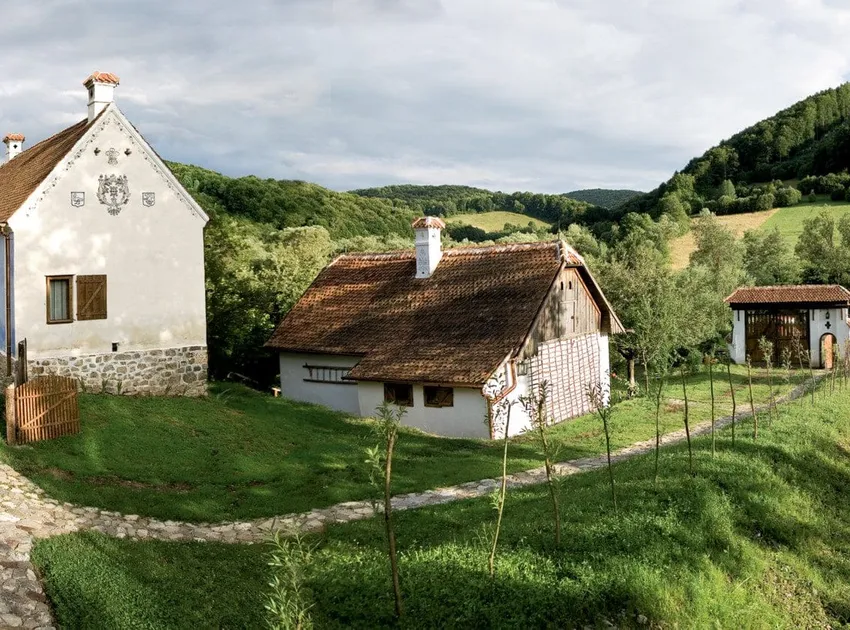
The night before our trek, we arrived in the nearby city of Musanze, settling into our boutique bed and breakfast La Locanda, where guide Emmy gave us a run down of what to expect the following day. It was at this point I realised that I had all the gear and no idea and knew very little about the habitats of these mysterious creatures. But I decided to channel my inner Dian Fossey and embrace the experience.
Here is what I learned from my incredible day gorilla trekking (often referred to as gorilla tracking) in Rwanda’s Volcanoes National Park.
You’ll be Guided by an Expert Team
At dawn each day, the park's trackers go into the forest to spot where the gorillas slept the night before, following a trail of knuckle prints, chewed bamboo and excrement. They find where the gorillas set up their nests and alert the guides. This team is highly skilled, often holding science or data collection degrees and are experts at gorilla tracking.
At 7am, we drove to the Volcanoes National Park gorilla trek headquarters where we had a briefing and met our guide Rukundo (he proudly told us that his name is the Kinyarwanda word for ‘love’). He told us all about the gorilla family we would meet that day and how to treat them with respect. Rukundo, who used to be a tracker himself, stayed in touch with a team of four trackers throughout the morning who kept him updated on the family’s whereabouts.
The Walk Changes Each Day
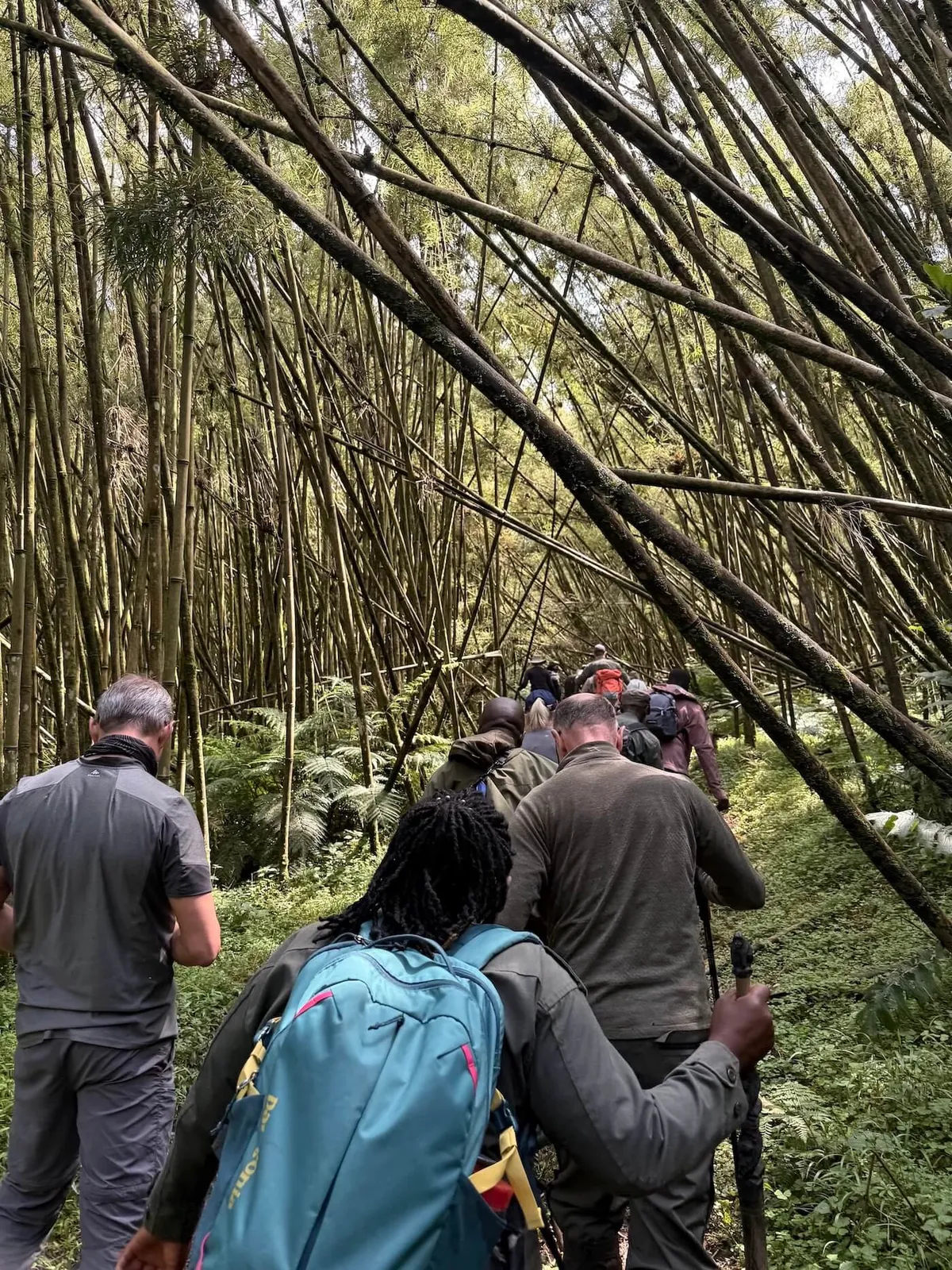
Although they have some favourite spots, the locations of the gorilla families change each day, depending on where they’ve been able to find shelter and food. This means that it’s impossible to plan an exact gorilla trekking route in advance, and things may change on the day.
You can choose an easy hike (up to one hour and 30 minutes each way) or a hard hike (from one hour 30 minutes up to three hours each way). However, the gorilla families can move, so you will need to be prepared to go on a longer hike last minute to find them. After all, the gorillas are in charge here.
Prepare with the Right Gear
Here are the essentials I recommend packing for gorilla trekking in Rwanda:
- A gorilla permit (which we can arrange for guests joining our Rwanda journeys)
- Gloves to protect from stinging nettles
- Hiking boots with ankle support for the steep, muddy climbs
- A breathable long-sleeved t-shirt
- Durable long trousers (tuck them into your socks to avoid insects!)
- Gaiters to keep water, mud and debris out of your boots
- A lightweight rain jacket and fleece
- A hat or cap
- High DEET insect repellent (focus on ankles and wrists)
- Camera or phone, but no flash
- A backpack with a dry bag incase it rains
- Two litres of water
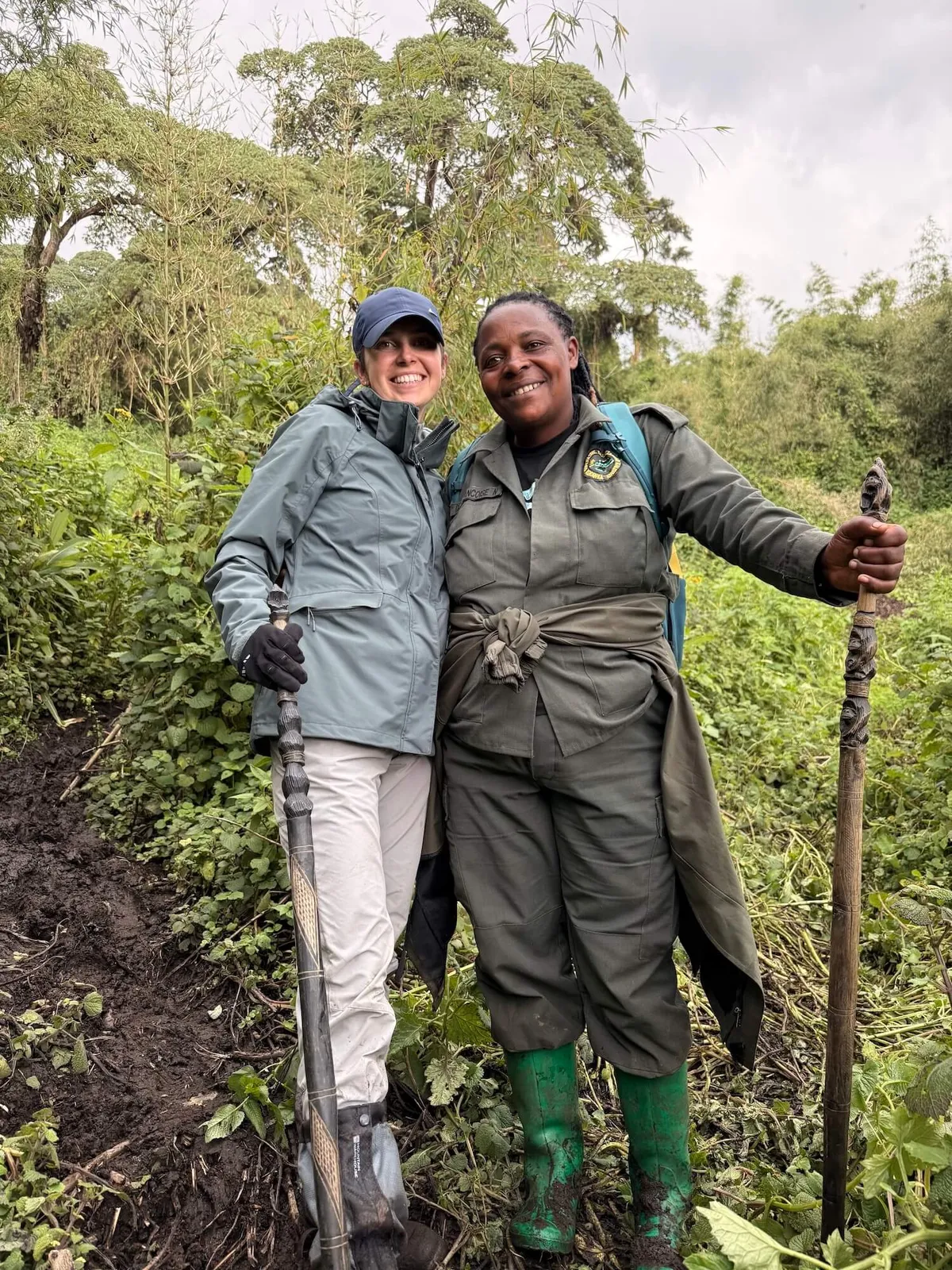
It's a lot, but your secret weapon here is hiring a porter. I was supported by Francoise, who not only carried my backpack, but occasionally grabbed my hand to helpfully pull me up the muddy hills. It feels jarring, but many of the porters used to be poachers. Although Francoise wasn't herself, she grew up in a community that previously poached gorillas for income. Now, people from local communities are employed by the national park, putting their skills to good use while still making money; it’s a successful outcome of a much bigger community engagement project. Hiring a porter will not only make your trek much easier, but you'll support the local economy.
Remember Your Manners
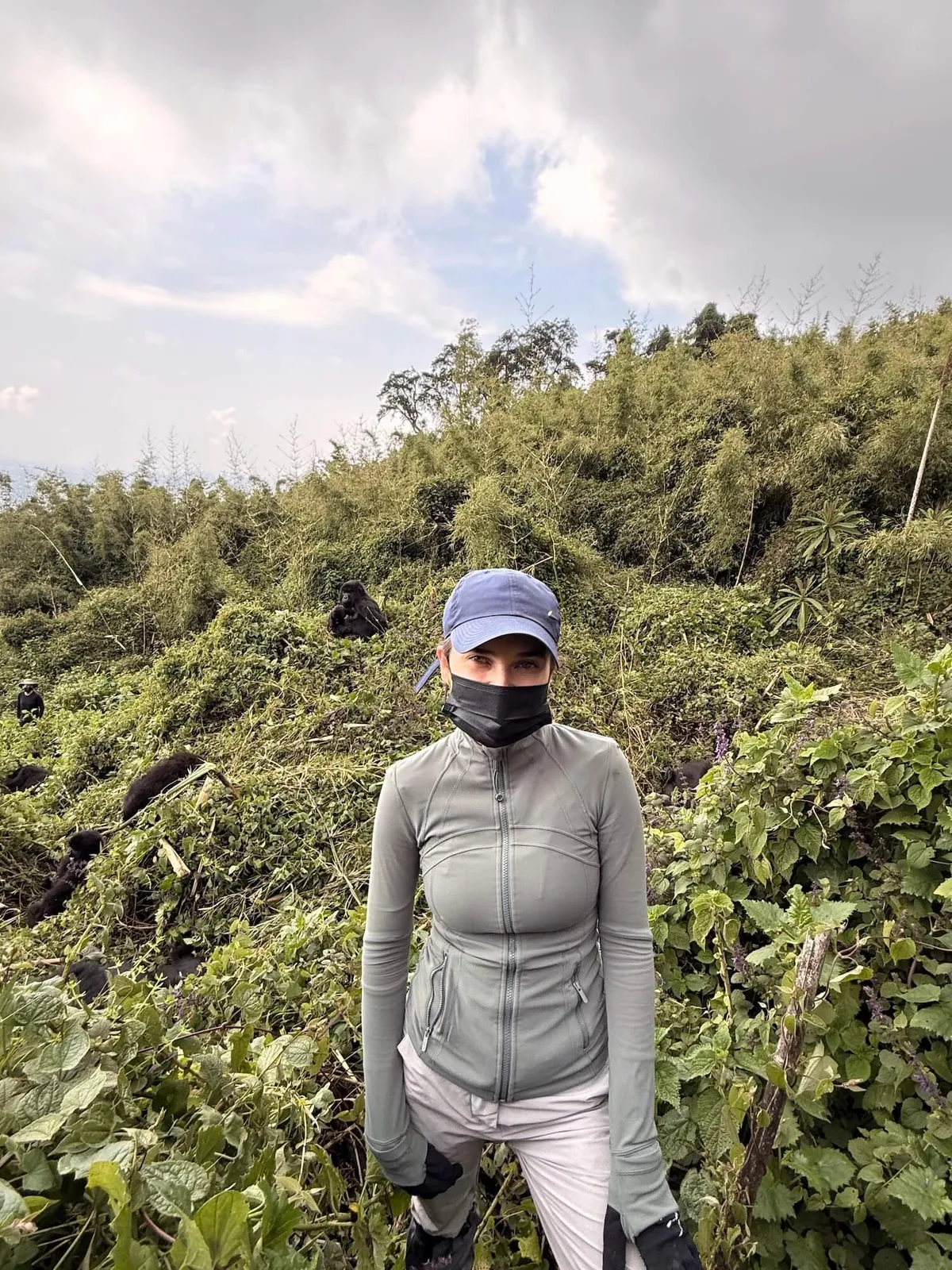
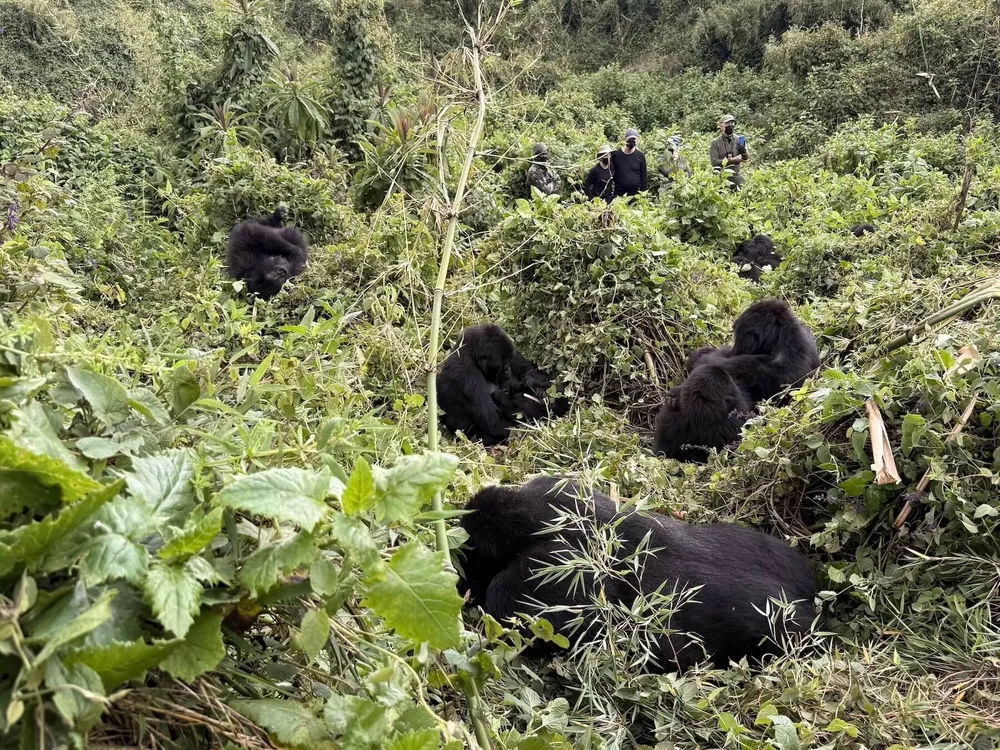
Unsurprisingly, there are several rules you will need to follow on your trek to keep you and the gorillas safe. While the gorillas are incredibly peaceful creatures (life largely revolves around eating lots of vegetables and lying in the sun), it’s important that they know humans aren’t a threat. For that reason, gorilla trekking groups are kept to a maximum of eight people so the gorillas don’t feel crowded.
We were reminded to always move out of the way if a gorilla comes towards you, not to make eye contact if a silverback gorilla looks directly at you, and to stay at least seven metres away from them at all times. They can be traumatised by flash photography so always avoid this. I was advised to tie my hair up as the young gorillas can be inclined to play with long hair and we all wore masks to avoid the spread of illnesses between the species. Most of all, it’s important to remember that you are a guest in the gorilla family’s home so stay quiet and calm.
Having said all of this, the gorillas themselves didn’t always remember to keep their distance or watch their manners; we witnessed them burping, sneezing, passing wind and picking their noses!
The Gorillas Have Epic Family Histories
The guides know each gorilla family in amazing detail, recalling family histories that go back for generations. There are 32 families in the park, but not all can be visited by gorilla trekking groups and some are only habituated for scientific research. Family groups range from ten to 40 members.
We visited the Amahoro family who were first visited in 1996 by primatologists before meeting their first tourists in 2000. We learned that in 2002, the family’s dominant silverback died and two subordinate silverbacks (Ubumwe and Charles) had to decide who was going to be the new leader. After many fights, a decision still couldn’t be made so the group was split in two; Ubumwe led the Amahoro and Charles’s new family was renamed Umubano.
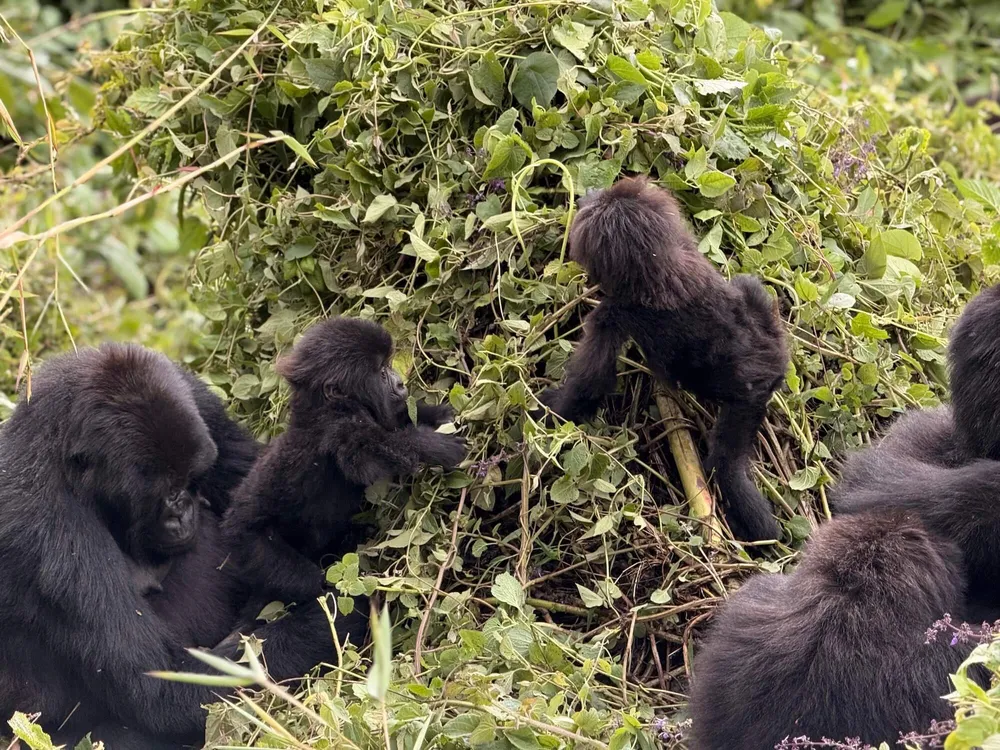
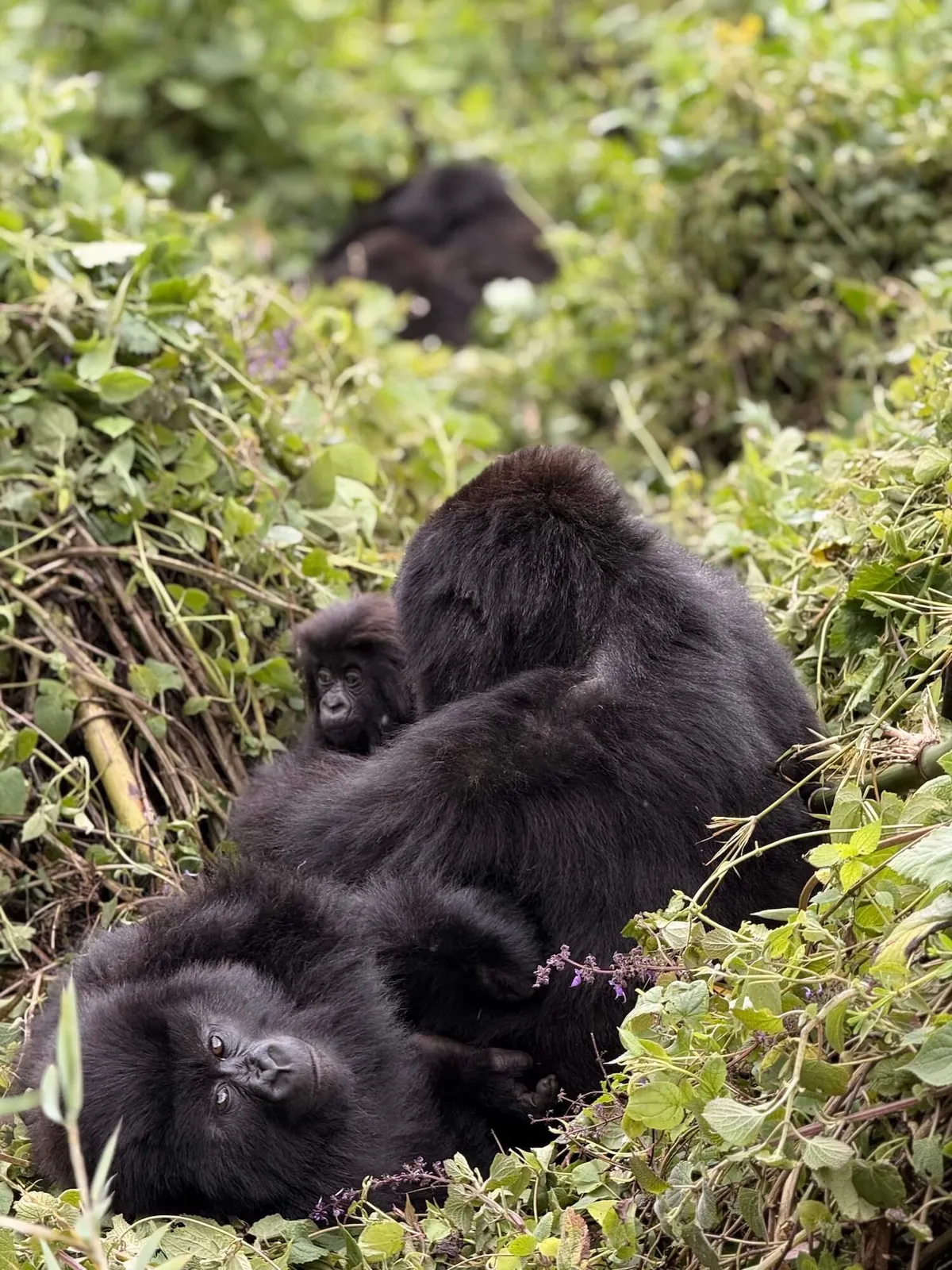
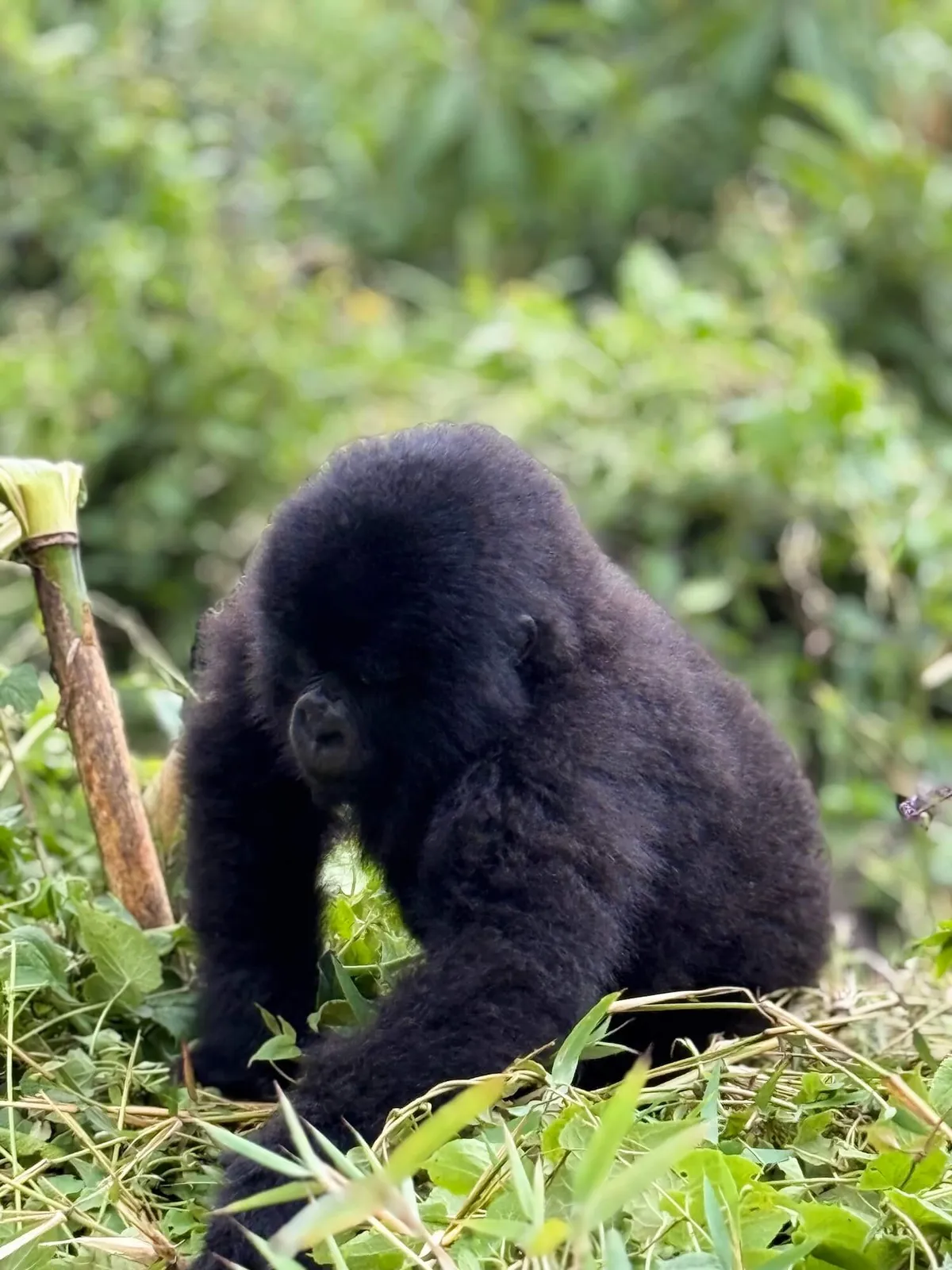
Today, there are 22 members of the Amahoro, including four silverbacks, seven adult females, four sub-adult females, three juveniles and four infants. Sadly, Ubumwe disappeared in 2015 and the family is now led by Gahinga.
Enjoy Every Minute with the Gorillas
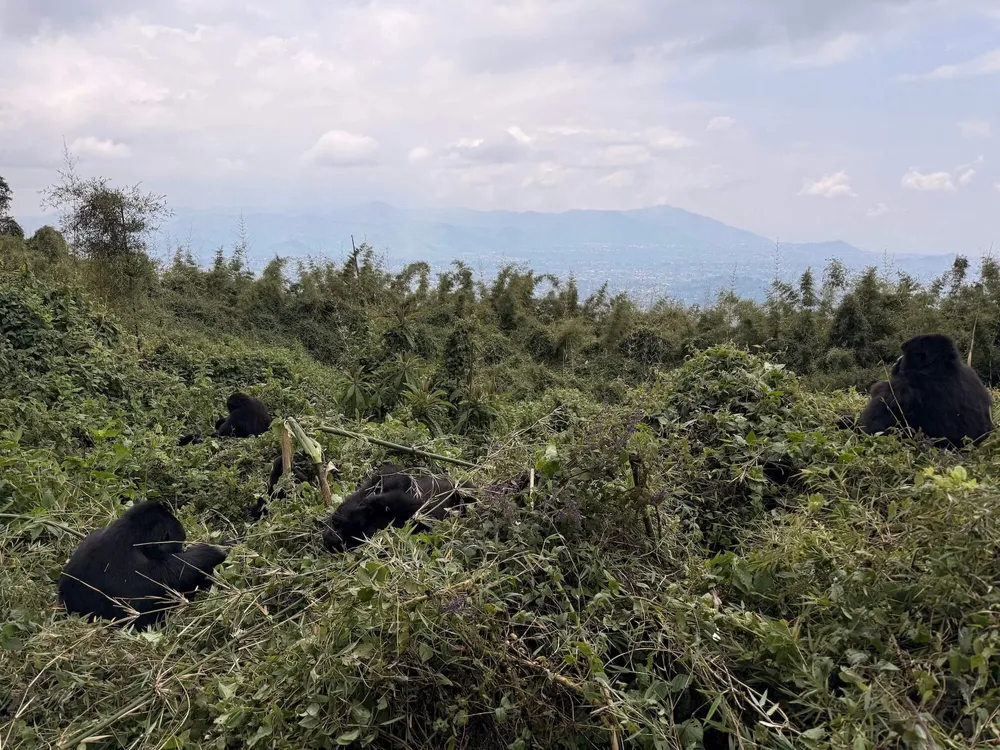
At the end of your hike, you’ll suddenly find yourself surrounded by a gorilla family. It is a truly magical moment and you’ll become completely immersed in their world. Visits last up to an hour and you should enjoy every second of it.
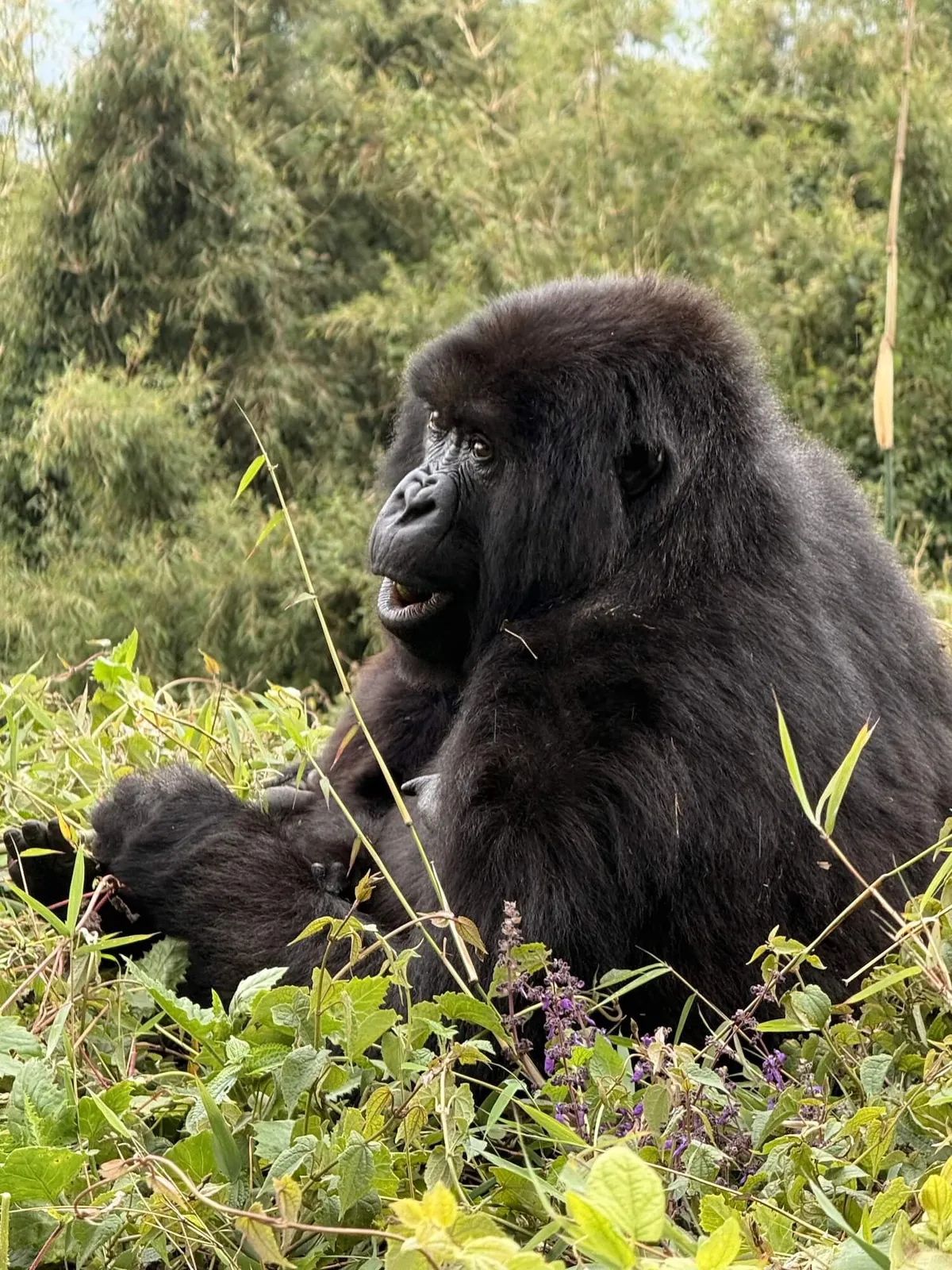
Of course, you’ll want to take photos and videos so you never forget this moment, but I recommend that you commit to spending at least half of your time without a device in hand, taking in every detail of the gorillas. I spent time admiring everything about them: their ears, facial features, hands and feet complete with fingernails and toenails. It was remarkable how similar they are to humans, and interesting to note that they observed us in the same detail.
As I trekked back down through the bamboo forest, leaving my new friends behind, I couldn’t stop smiling. Weeks later, I still smile whenever I think about my time in Volcanoes National Park; it’s a memory I’ll cherish forever.
If you’d like to join us for gorilla trekking in Volcanoes National Park, get in touch with Emelye or find out more about our Northern Rwanda journeys.