The Best Food To Eat in Crete - An Island of Gastronomy
The Cretan table is a love letter to a rugged, stubborn landscape where the recipes aren't written in books, but are etched into the memories of grandmothers. Crete's food is a cuisine born of necessity, in a land where water is a precious and rare resource. This unique island has been named the European Region of Gastronomy for 2026, not because it’s trendy, but because it has spent 4,000 years perfecting the art of deliciously simple dining. The cooking here is making a feast out of a handful of wild horta greens, a splash of oil, and a barley rusk. If you want to understand Crete, you don't look at a map; you look at what’s on the end of your fork.
The Island That Feeds Itself
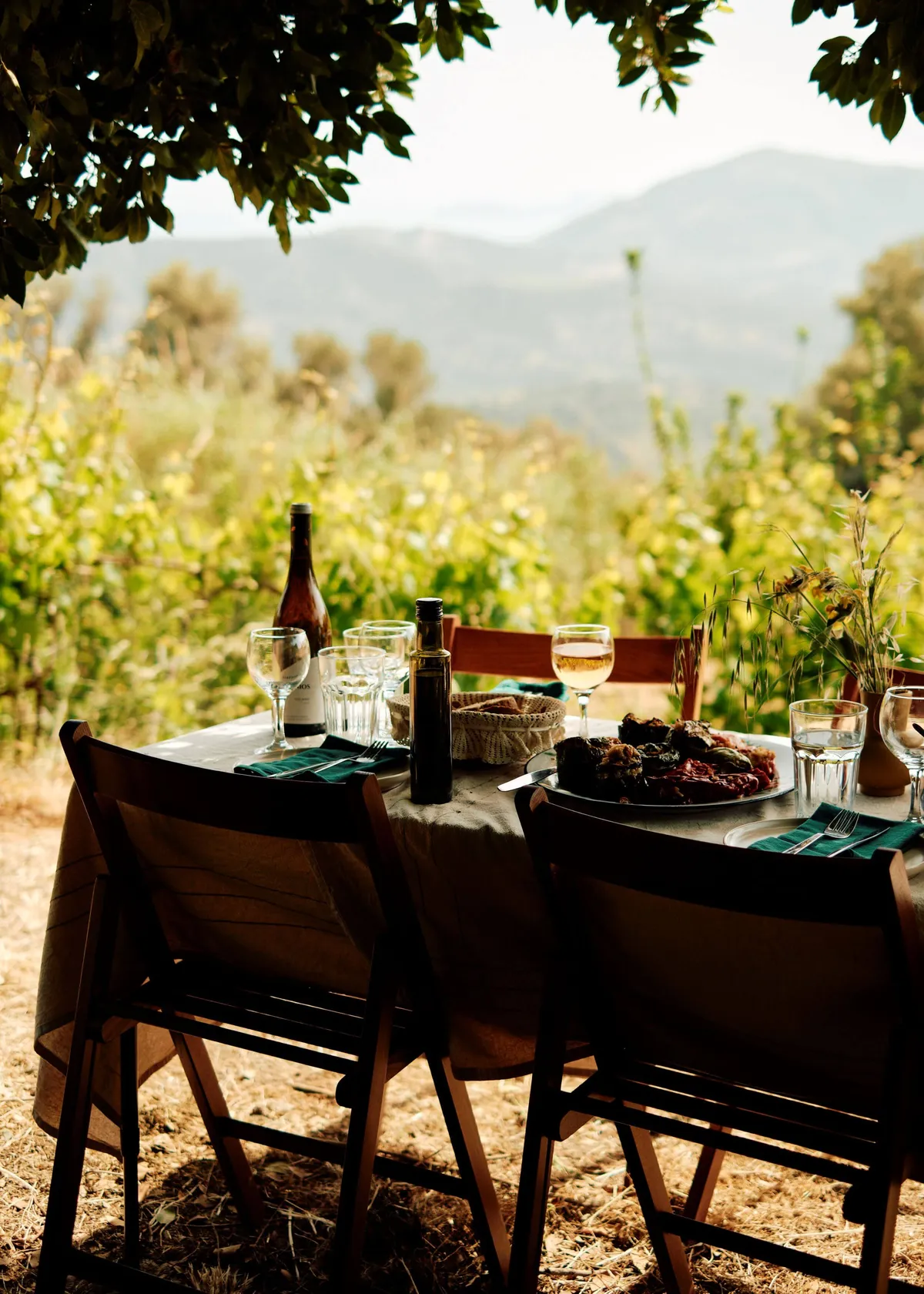
The Cretan diet is probably the world’s original farm-to-table dining. The island of Crete is a mountain range rising out of the Mediterranean; so most often the food comes from the earth rather than the sea. Despite being surrounded by azure blue ocean, you’ll find more goat and sheep on your plate than fish.
A Food History
The history of Cretan food mirrors the island's history of empires. While the Minoans established the classic traditions of olives, grapes, and grains four millennia ago - creating what we now celebrate as the original Mediterranean diet - the centuries of Ottoman rule left behind a lingering love for warming spices and vegetables stuffed to bursting. Though Crete only officially joined Greece in 1913, the culinary DNA is shared, yet Cretans maintain a fierce independence. Their food is bolder, more herbal, and arguably more ancient.
Best Foods to Try in Crete
Crete’s cuisine is often described as the purest expression of the Mediterranean diet: simple, seasonal, and deeply rooted in the island’s land and traditions. Rather than elaborate techniques, it relies on exceptional raw ingredients, time-honoured methods, and respect for nature. When visiting Crete, find traditional mountain village tavernas for the best traditional fare. There are so many dishes, you'd need a lifetime to try them all, but here are our top recommendations for what to eat when in Crete:
Sheep and Goat's Milk Cretan Cheese
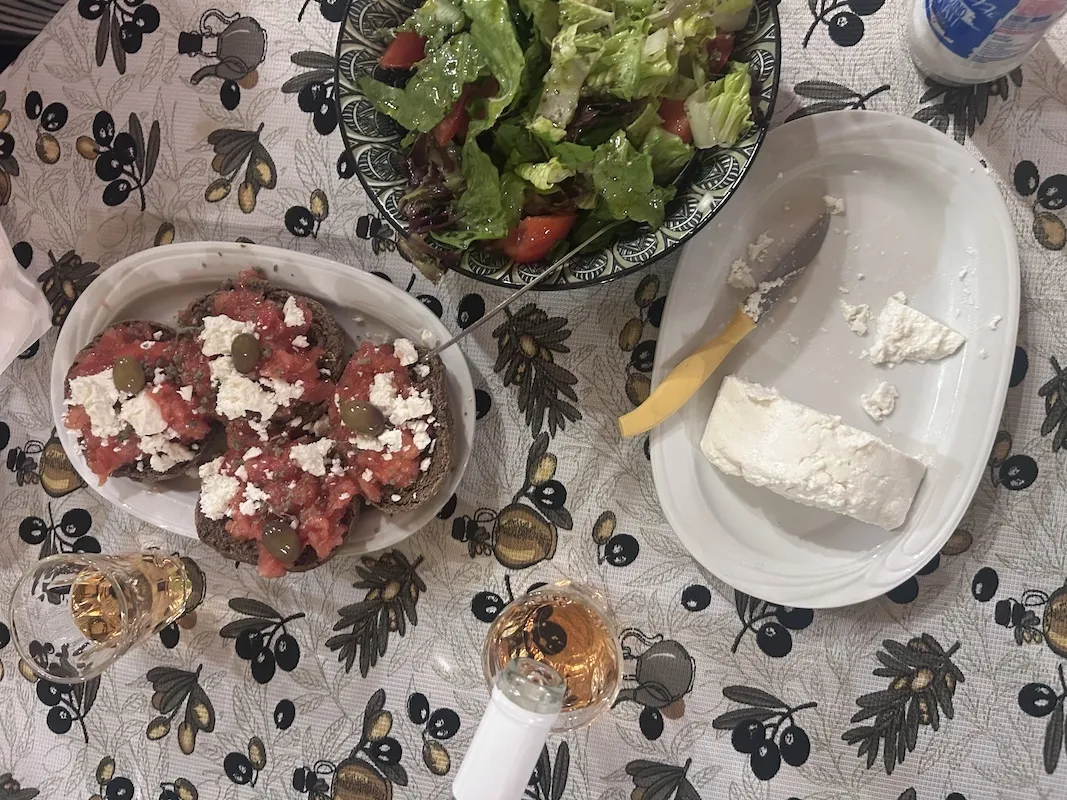
Cheese is at the heart of Cretan cooking, appearing in everything from pies to salads. While you will still see plenty of classic Greek Feta cheese, there are many other varieties worth a try. The island’s rugged terrain and pastoral traditions lend themselves perfectly to sheep and goat milk cheeses. Here are three varieties of local Cretan cheese you simply have to try:
Graviera - nutty, slightly sweet, and firm, often enjoyed on its own or grated over dishes.
Mizithra - both fresh and aged - ranges from soft and creamy to hard and salty, commonly used in pastries or sprinkled over pasta.
Anthotyros - a delicate, mild cheese, often paired with honey for a simple dessert.
Dishes We Recommend Trying
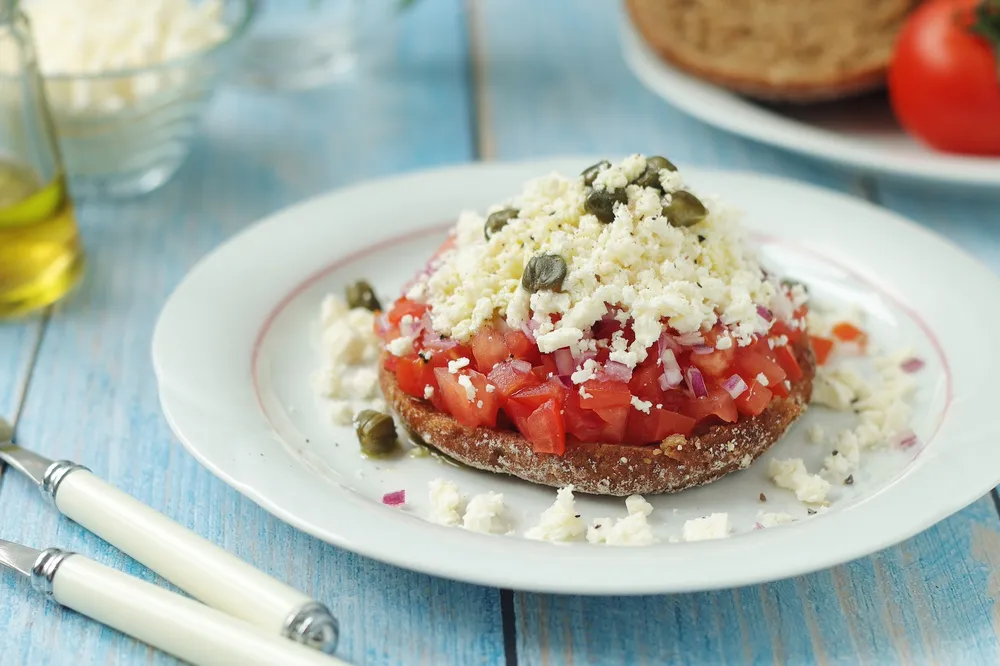
Dakos (Ντάκος) - The quintessential Cretan starter. It starts with a hard barley rusk (paximadi) soaked slightly in water or olive oil, topped with juicy grated tomatoes, crumbled mizithra cheese, oregano and of course a heavy pour of extra virgin olive oil.
Tirokafteri (Τυροκαυτερή) - A spicy, creamy dip whipped up from feta cheese, Greek yogurt, garlic, and roasted red peppers or chili flakes.
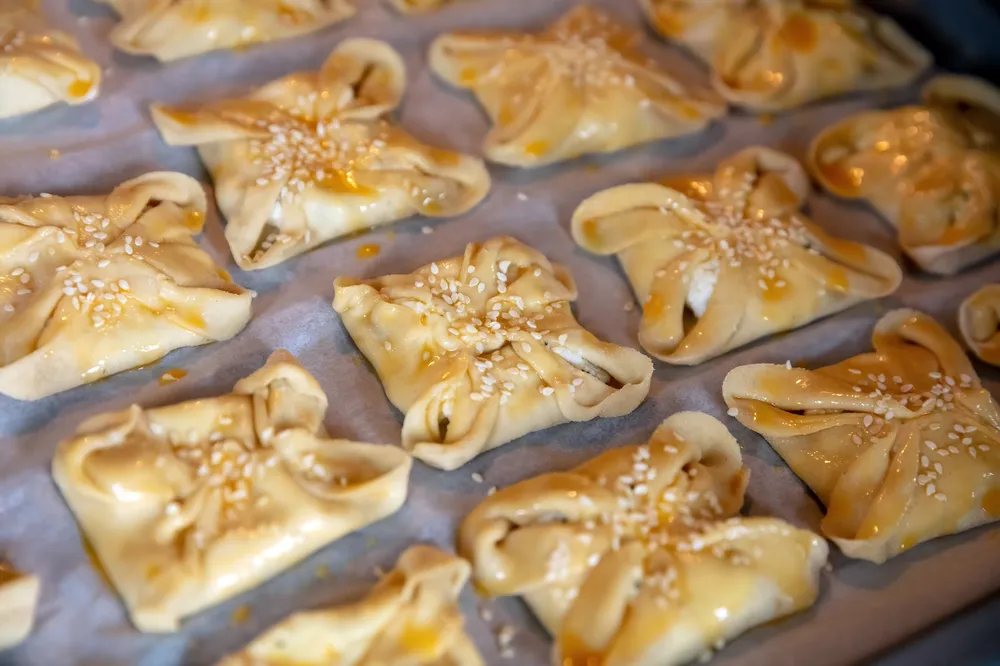
Kalitsounia (Καλιτσούνια) - Depending on where you are on the island, these small cheese-filled pastries can be salty (filled with herbs and mizithra) or sweet (drizzled with honey). They are usually shaped like tiny stars or envelopes.
Saganaki (Σαγανάκι) - A thick slice of firm cheese, usually graviera, kefalotyri, or talagani, which is dredged in flour and pan-fried until the exterior is golden and crispy while the inside becomes soft and melted. It is traditionally served piping hot with a generous squeeze of fresh lemon.
Cretan Olive Oil
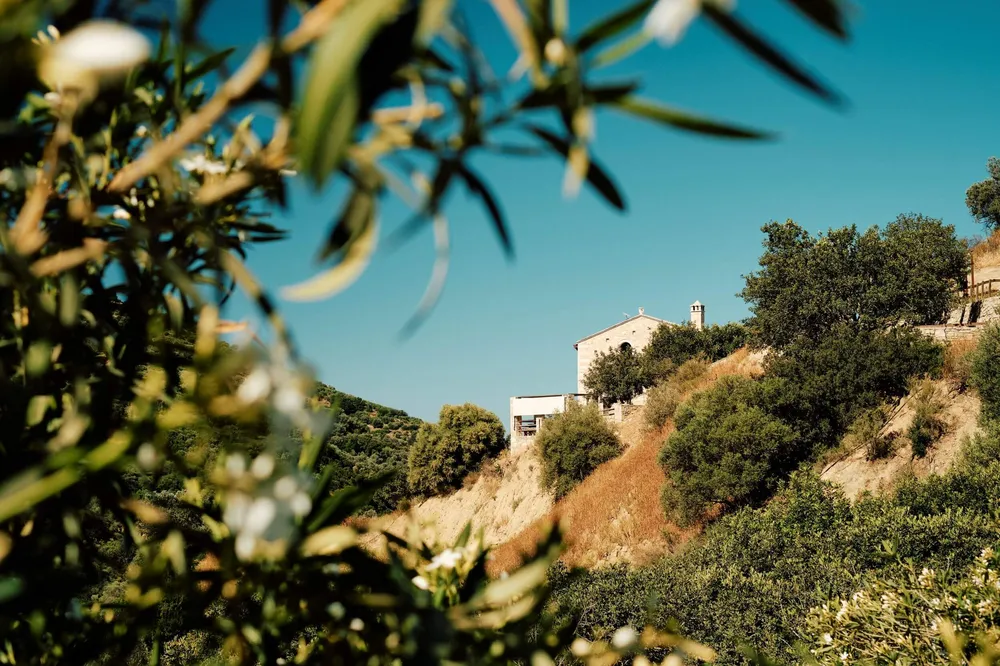
Cretan olive oil is a way of life. Produced in ancient groves, often by families who have tended the same trees for generations, it is used generously in almost every dish. Rich, peppery and vibrant, it forms the base of salads, stews, and even some desserts. Bread dipped in fresh olive oil with a sprinkle of salt or oregano is a staple of every Cretan table.
Dishes We Recommend Trying
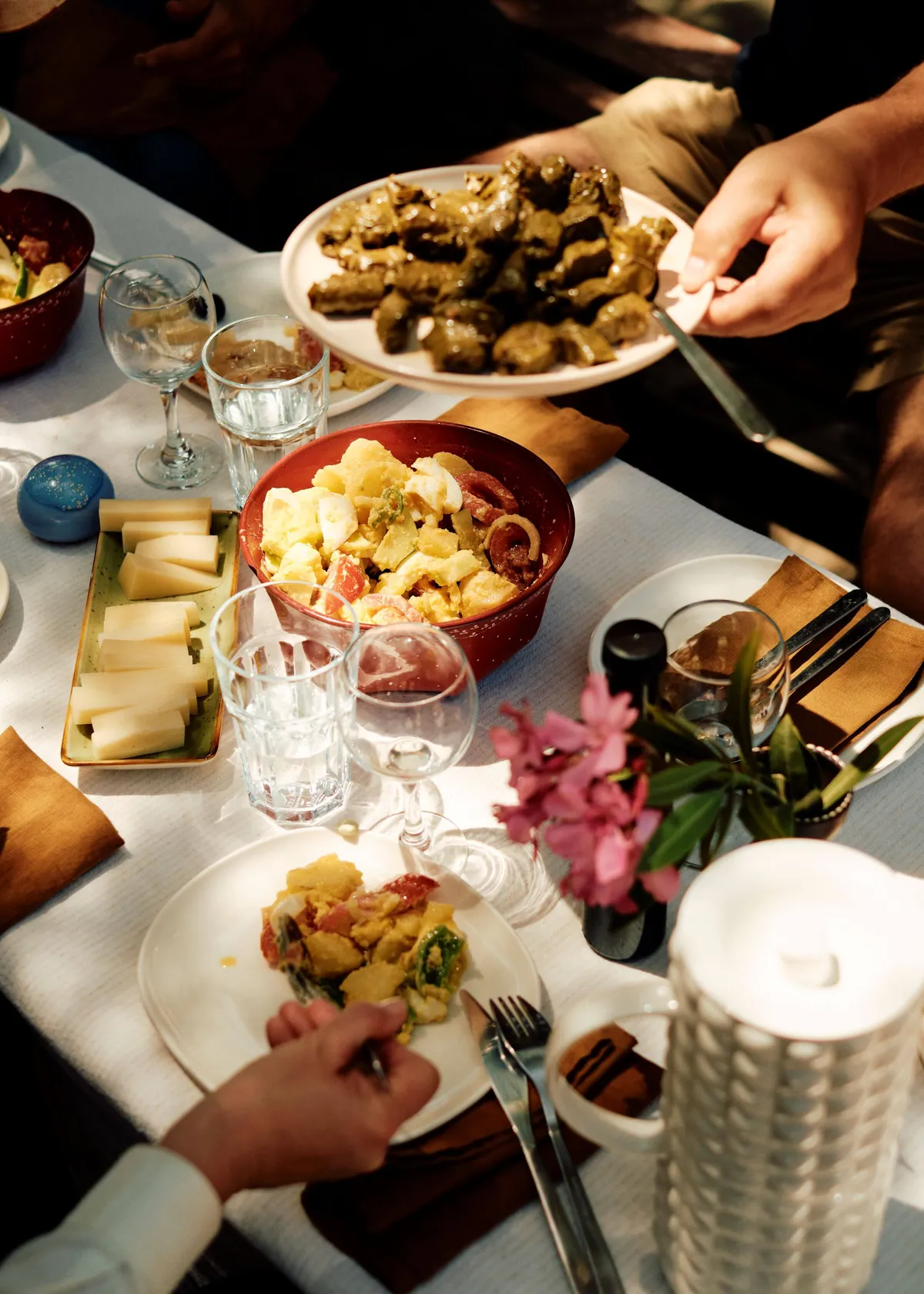
Dolmadakia (Ντολμαδάκια) - While found across Greece, Cretan dolmades are often distinguished by the use of incredibly fresh vine leaves stuffed with a mix of rice, herbs (like dill and mint), and sometimes zucchini flowers. They are served cold or at room temperature with a dollop of thick yogurt.
Wild Greens & Foraging in Crete
Foraging has been a way of life in Crete for centuries, but it is still very much alive in the modern Cretan kitchen. The Cretan landscape is home to over 100 varieties of edible wild greens, collectively known as Horta (Χόρτα). The flavours of these wild foraged plants range from sweet and nutty to intensely bitter or peppery.
Dishes We Recommend Trying
Hortopitakia (Χορτοπιτάκια) - Small, hand-folded pies stuffed with a seasonal mix of wild greens, leeks, onions, and often a touch of fresh fennel. They are typically pan-fried or baked.
Beans & Legumes
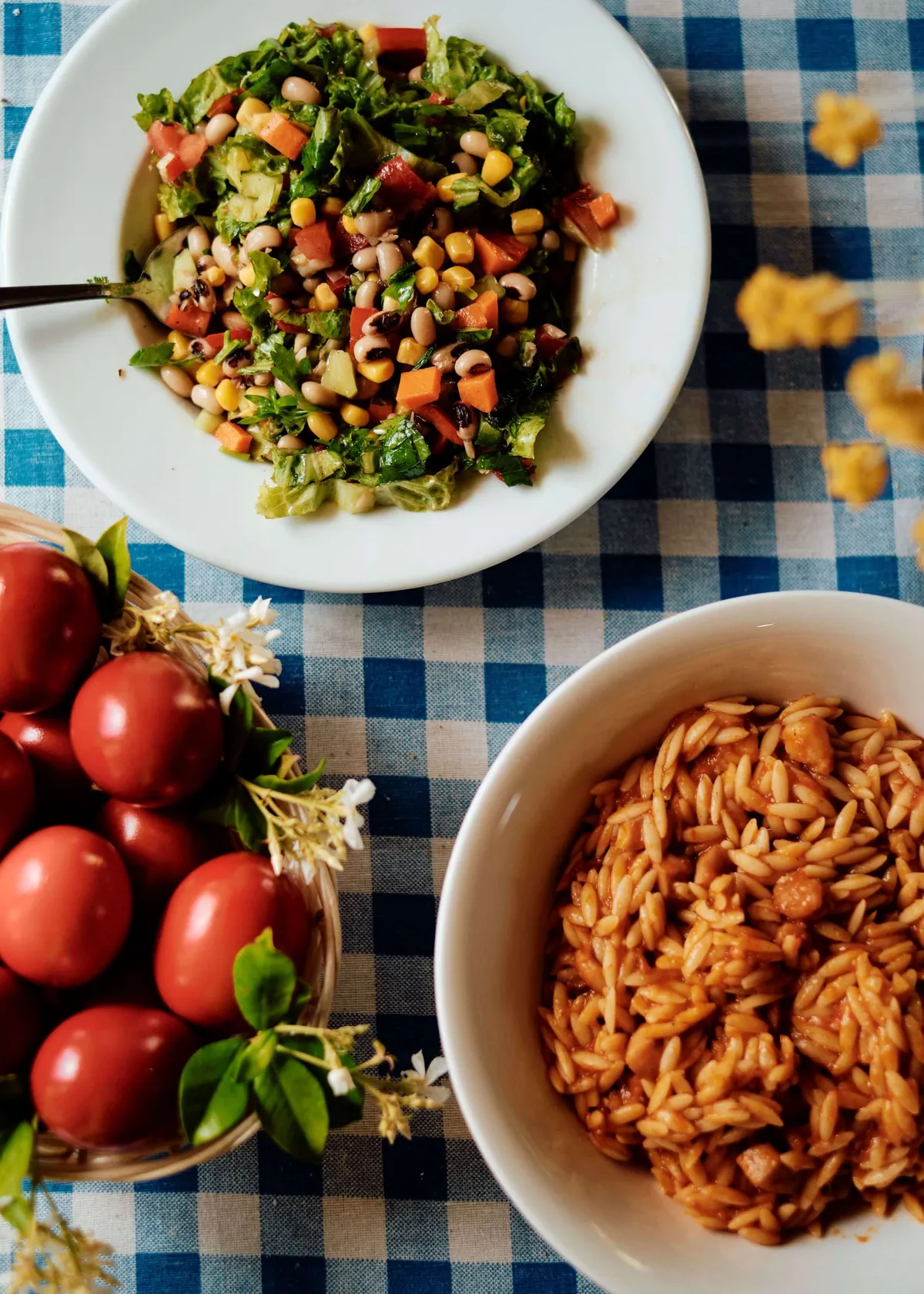
Beans and legumes are an essential part of Cretan cooking, reflecting a cuisine shaped by necessity and sustainability. Chickpeas are slow-cooked in clay pots, often with olive oil and herbs. Lentils and broad beans are equally common, forming hearty soups and stews. These ingredients provide protein and substance and remain a cornerstone of everyday meals.
Dishes We Recommend Trying
Fava (Φάβα) - Made from yellow split peas pureed into a silky, hummus-like consistency and served topped with chopped onions, capers, and plenty of lemon.
Revithia (Ρεβίθια) Chickpeas slow-baked in a clay pot with onions, lemon, and rosemary until the chickpeas are creamy and the liquid has reduced.
Cretan Goat and Lamb's Meat
Lamb and goat are the most traditionally served meats on the island, often roasted with herbs or slow-cooked in simple sauces. Pork features in rustic dishes and sausages, particularly on special occasions or during festive periods. Rather than dominating the plate, the meat complements vegetables and grains, reinforcing the balance at the heart of Cretan eating.
Dishes We Recommend Trying
Kleftiko (Κλέφτικο) - This is lamb or goat slow-cooked in parchment paper with garlic, herbs, and occasionally cheese. It’s so tender it falls off the bone—originally cooked in underground ovens to hide the smoke from authorities.
Chochlioi Boubouristi (Χοχλιοί Μπουμπουριστοί) - They may not strictly speaking be meat, but no Cretan food list would be complete without the famous Cretan snails. They are fried in their shells with flour and salt, then doused with rosemary and vinegar. The name "boubouristi" comes from the popping sound they make while frying.
Tsigariasto (Τσιγαριαστό) - The meat (usually lamb or Cretan mountain goat) is sautéed in olive oil and slow-cooked in its own juices at a very low temperature, often served on a large dish with vegetables and crisp potatoes. It’s simple, fatty, and intensely flavourful.
Bread and Grains
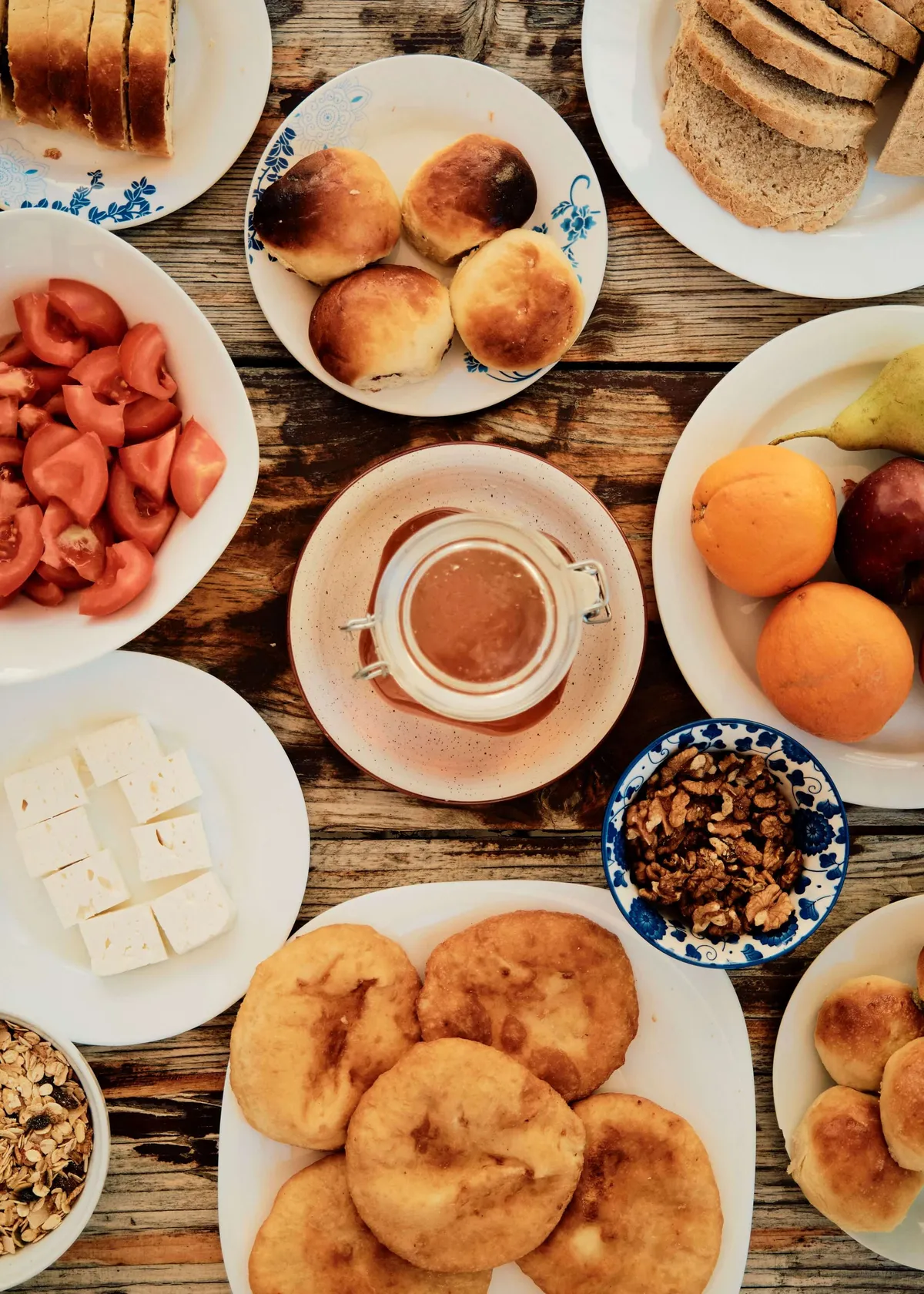
Bread is a daily ritual, often baked with barley or wheat and served at the beginning of every meal. Dakos is also commonly found at Crete feasts, a barley rusk topped with tomatoes, cheese, and olive oil, it is one of the island’s most iconic dishes. Simple flatbreads and small pastry-clad pies, often filled with greens or cheese, are equally central. Grains provide the backbone of many meals, grounding the cuisine in rustic simplicity.

Cretan Raki
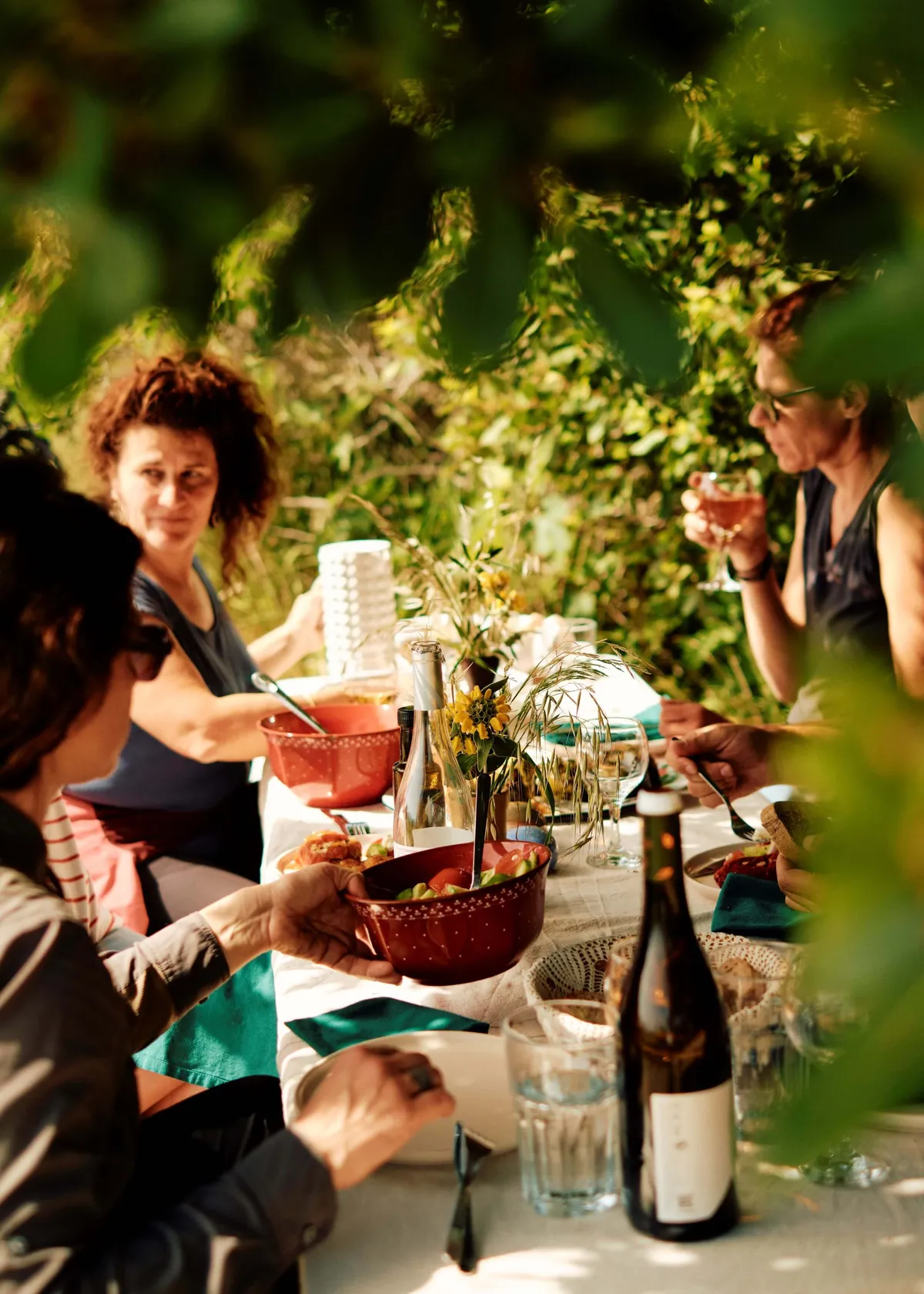
No discussion of Cretan gastronomy would be complete without raki (also known as tsikoudia). This clear, potent spirit is distilled from grape pomace and offered as a gesture of welcome and friendship. It is typically served after meals, accompanied by conversation, laughter, and small bites of food. In Crete, raki is as much about connection as it is about flavour.
Sweets and Desserts
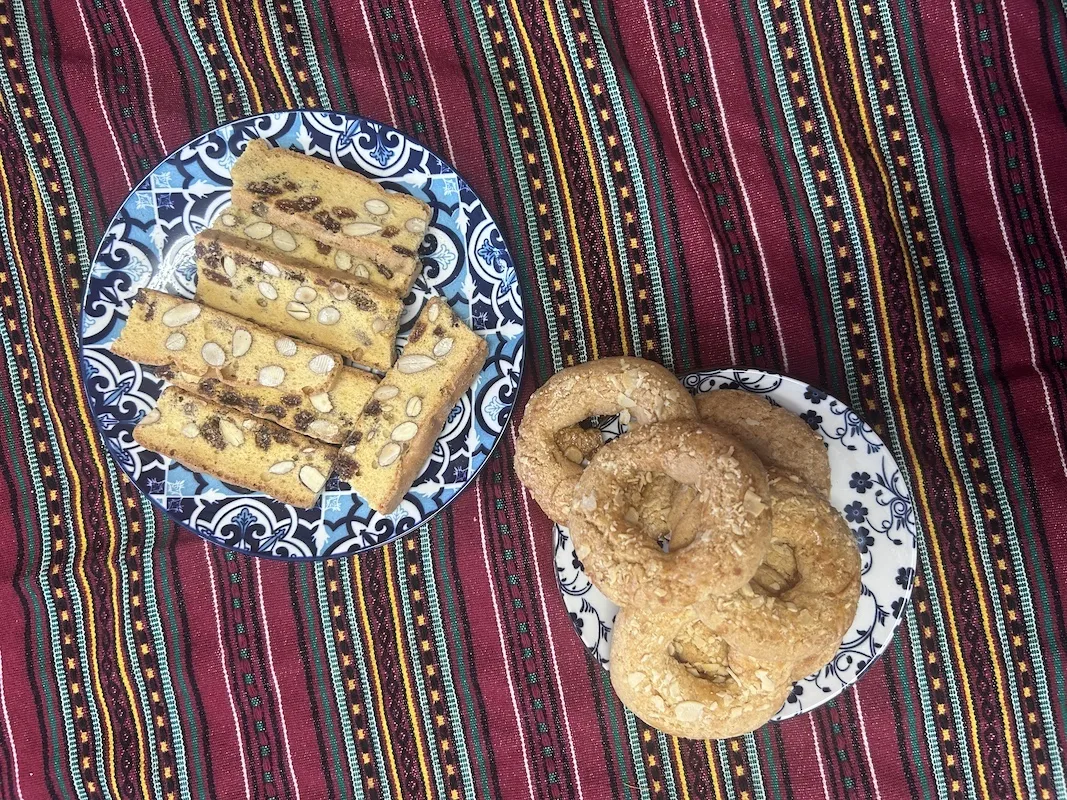
Cretan desserts tend to be modest, relying on natural sweetness rather than excess sugar. Honey plays a starring role, drizzled over cheese or used in pastries. Kalitsounia, small pastries filled with cheese or greens and sometimes sweetened with honey, are particularly beloved. Nuts and dried fruits, sweetened with honey and syrup, also make delicious desserts. These desserts reflect the same philosophy as the rest of the cuisine: balance, restraint, and respect for ingredients.
Herbs, Honey and Mountain Tea
Crete’s mountains are vital to the island's distinctive gastronomy; they provide herbs, wild plants, exceptional honey, and the rugged landscapes that have shaped the cuisine. Thyme honey, in particular, is prized for its intense aroma and flavour. Combined with herbal infusions and mountain teas, these elements round out the island’s gastronomic identity.
Read more about how we designed our incredible Cretan journey, or discover more of the history and people of this intriguing island with our best books about Crete.
Ready to taste the incredible gastronomic offerings of the rugged island of Crete? Discover our Cretan Heartlands Journey today.